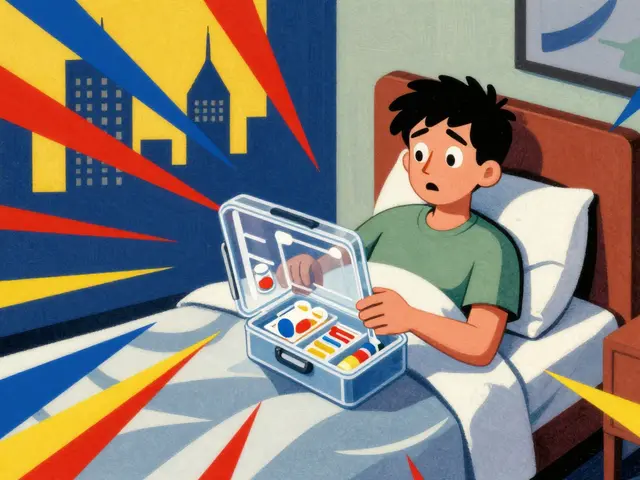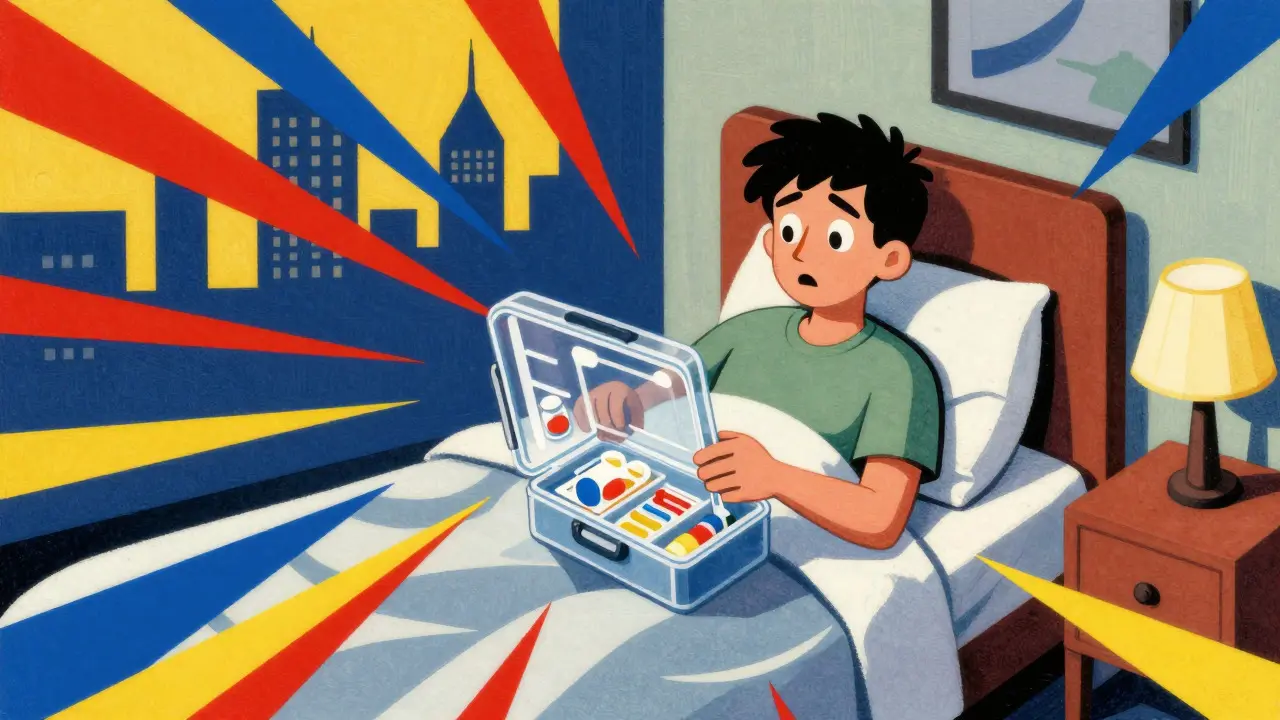
Imagine waking up in a foreign city with a sudden stomach bug or a painful blister from hiking. Without your usual pharmacy nearby, a well-stocked travel medication kit is a curated collection of medical supplies and medications designed to manage minor illnesses and injuries during travel can be the difference between a ruined trip and a quick recovery. You don't need to carry an entire medicine cabinet, but you do need the right tools to handle the most common issues travelers face: pain, diarrhea, allergies, and minor wounds.
The goal here is practicality. This guide breaks down exactly what to pack, how much to bring, and how to organize it so you’re ready for whatever comes up. Whether you’re heading to a tropical beach or a mountain trail, these recommendations are based on guidelines from major health institutions like the Cleveland Clinic and Cornell Health.
Core Essentials for Pain and Digestion
Start with the basics that address the most frequent complaints: headaches, muscle aches, and stomach upset. These items should form the backbone of your kit because they are safe for most people and easy to use without a doctor’s immediate supervision.
- Pain Relievers: Pack either ibuprofen (200-400mg) or acetaminophen (500mg). Bring at least 10 tablets of each type if possible, as some conditions respond better to one than the other. Ibuprofen helps with inflammation, while acetaminophen is gentler on the stomach.
- Antidiarrheal Agents: Loperamide (often known by the brand name Imodium) is crucial. A minimum of 6 tablets (2mg each) will help control symptoms quickly. This is especially important if you’re eating street food or trying new cuisines.
- Antacids: Heartburn is a common travel companion due to irregular eating schedules. Calcium carbonate (500mg) or famotidine (10mg) tablets work well. Bring at least 7 counts to cover a week of potential flare-ups.
- Oral Rehydration Salts (ORS): If you get sick, dehydration is the bigger risk. WHO-formulated ORS packets are small, lightweight, and highly effective. Pack at least 5 packets. They are far superior to sports drinks for rehydrating after diarrhea or vomiting.
A pro tip: keep these in their original packaging if possible. It makes dosing easier and helps you identify the medication if you need to show it to a pharmacist abroad.
Handling Allergies, Insect Bites, and Skin Issues
Travel often exposes you to new environments, which means more bugs, new plants, and unexpected allergic reactions. Your kit needs to address these skin-related and systemic issues before they become uncomfortable distractions.
- Antihistamines: Loratadine (10mg) or cetirizine (10mg) are non-drowsy options for general allergies. For insect bites, diphenhydramine (Benadryl) can be used at night for its sedative effect, which also helps with sleep. Bring at least 7 tablets.
- Hydrocortisone Cream: A 1% cream in a 15g tube is perfect for soothing itching from bug bites, mild rashes, or contact dermatitis. Apply a thin layer to the affected area two to three times a day.
- Insect Repellent: Prevention is better than cure. Use a repellent containing 20-30% DEET. A 1oz bottle is sufficient for most trips. This is critical in areas where mosquitoes carry diseases like malaria or dengue fever.
If you have a history of severe allergic reactions, consider adding epinephrine auto-injectors (like EpiPens) to your kit. Always check the expiration date before you pack, as expired injectors may not work when you need them most.
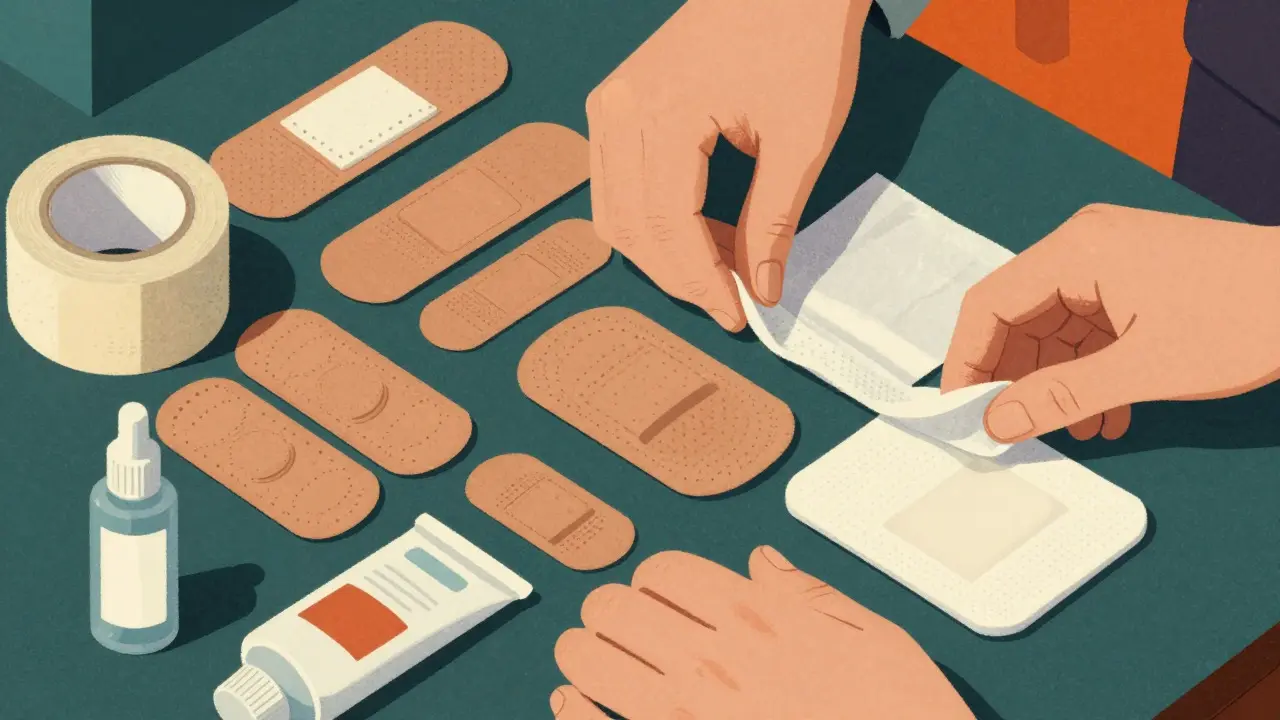
Wound Care and First Aid Supplies
Minor cuts, scrapes, and blisters are almost inevitable when traveling, especially if you’re active. Proper wound care prevents infection, which can turn a small scratch into a serious problem in places with limited healthcare access.
| Item | Recommended Quantity | Primary Use |
|---|---|---|
| Adhesive Bandages | Assorted sizes (min. 10 count) | Covering small cuts and blisters |
| Gauze Pads | 4x4 inch (4 count) | Applying pressure to larger wounds |
| Medical Tape | 1-inch width (1 roll) | Securing gauze or bandages |
| Antiseptic Cleaner | Chlorhexidine or Povidone-Iodine (1 oz) | Cleaning wounds to prevent infection |
| Antibacterial Ointment | Bacitracin or Neomycin (0.5 oz tube) | Keeping wounds moist and protected |
Note that safety pins, scissors, and tweezers are sometimes restricted in cabin luggage depending on airline regulations. It’s safer to pack these sharp items in your checked baggage or use blunt-nose tweezers that comply with TSA rules.
Destination-Specific Additions
Your kit isn’t one-size-fits-all. What you need depends heavily on where you’re going. Tailoring your contents to your destination ensures you’re prepared for local risks.
- Tropical or Developing Regions: Add water purification tablets if you plan to drink tap water or stream water. Also, include extra antidiarrheal antibiotics (like ciprofloxacin or azithromycin) only if prescribed by your doctor for traveler’s diarrhea.
- High Altitude Destinations: If you’re hiking in the mountains, altitude sickness can hit hard. Acetazolamide (125-250mg) tablets can help prevent symptoms, but consult your physician before starting this medication.
- Camping or Outdoor Adventures: Blister pads are a must-have. Walking long distances on uneven terrain causes friction blisters, and treating them early keeps you moving comfortably.
Always research your specific destination. Some countries have strict rules about bringing certain medications. For example, Japan prohibits pseudoephedrine, a common ingredient in cold medicines. Check with the embassy or consulate of your destination country before you fly.

Organization, Documentation, and Safety Tips
Having the right items is half the battle; keeping them organized and accessible is the other half. A messy kit leads to stress and wasted time when you actually need something.
- Use a Waterproof Container: Store your meds in a clear, zip-up plastic box. This protects them from moisture and makes it easy to see what’s inside during security checks.
- Keep Original Packaging: Whenever possible, leave pills in their original bottles or blisters. This helps with identification and dosage tracking.
- Carry a Medication List: Write down all your medications, dosages, and generic names. Trade names vary by country, so generic names (e.g., "acetaminophen" instead of "Tylenol") are universal. Keep this list in your wallet or phone.
- Split Your Supplies: Carry twice as much medication as you think you’ll need. Split it between your carry-on and checked bags. If one bag gets lost, you still have enough to finish your trip.
- Temperature Control: Most over-the-counter meds are stable, but some prescriptions (like insulin) degrade above 86°F (30°C). Keep heat-sensitive items in a cool place, away from direct sunlight.
If you have chronic conditions like diabetes, carry a letter from your doctor explaining why you need to carry needles or syringes. This can speed up security screening and clarify things for local doctors if you need emergency care.
Frequently Asked Questions
How many days of medication should I pack?
Aim for the duration of your trip plus 3-5 extra days. This buffer accounts for flight delays, extended stays, or unexpected illness. For prescription meds, double this amount and split it between carry-on and checked luggage.
Do I need a prescription for international travel medications?
Only for prescription drugs. Over-the-counter items like ibuprofen or antihistamines don’t require a prescription. However, for any prescription medication, carry a copy of the prescription and a doctor’s note stating the drug name, dose, and purpose. This is especially important for controlled substances.
What should I avoid packing in my travel med kit?
Avoid large quantities of liquids (unless under 3.4oz/100ml for carry-ons), sharp objects like scissors or blades (pack in checked bags), and medications with short shelf lives. Don’t pack anything you don’t know how to use. Simplicity is key.
Are there specific rules for carrying liquid medications?
Yes. Liquid medications are exempt from the standard 3.4oz (100ml) carry-on limit if they are medically necessary. Declare them to TSA agents if asked. Keep them in their original labeled containers to prove they are medicine, not just random liquids.
Should I bring antibiotics for every trip?
Not necessarily. Antibiotics are only needed for bacterial infections. Many travel illnesses are viral. Only pack antibiotics if your doctor prescribes them for a specific condition, like traveler’s diarrhea or a high-risk destination. Misusing antibiotics contributes to resistance.