Bempedoic Acid Side Effect Risk Checker
Disclaimer: This tool provides general information based on clinical data. It is not a substitute for professional medical advice. Always consult your doctor before starting or changing medication.
Gout & Joint Risk
Waiting for input...
Tendon Injury Risk
Waiting for input...
Recommended Monitoring Plan
If you’ve been struggling with high cholesterol but can’t tolerate statins due to muscle pain or other issues, bempedoic acid might have sounded like a lifeline. Marketed as Nexletol, this medication was approved by the FDA in 2020 specifically for patients who need help lowering LDL cholesterol but cannot take traditional statins. It works differently than statins, targeting an earlier step in the cholesterol production process within the liver.
However, no medication is without its trade-offs. While bempedoic acid spares many people from the dreaded "statin myopathy" (muscle pain), it introduces its own set of risks. The most notable ones involve your joints and tendons-specifically, an increased likelihood of developing gout attacks and tendon injuries. Understanding these specific side effects is crucial before you start taking this drug, especially if you have a history of joint problems.
How Bempedoic Acid Works Differently Than Statins
To understand why the side effects are different, you first need to know how the drug functions. Traditional statins work by blocking the HMG-CoA reductase enzyme, which is the rate-limiting step in cholesterol synthesis. Bempedoic acid, on the other hand, inhibits ATP-citrate lyase. This enzyme acts upstream in the metabolic pathway, meaning it stops cholesterol production even earlier in the process.
This difference matters because bempedoic acid is inactive in skeletal muscle tissue. Your liver converts it into its active form, but your muscles do not. This is why roughly 5-10% of patients who fail statin therapy due to muscle pain often tolerate bempedoic acid well. However, this metabolic shift has downstream effects on other systems in your body, particularly regarding uric acid levels and connective tissue health.
The Gout Connection: Why Your Joints Might Hurt
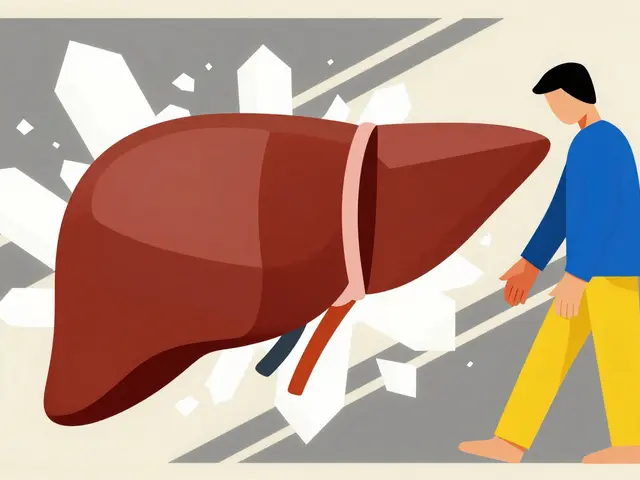
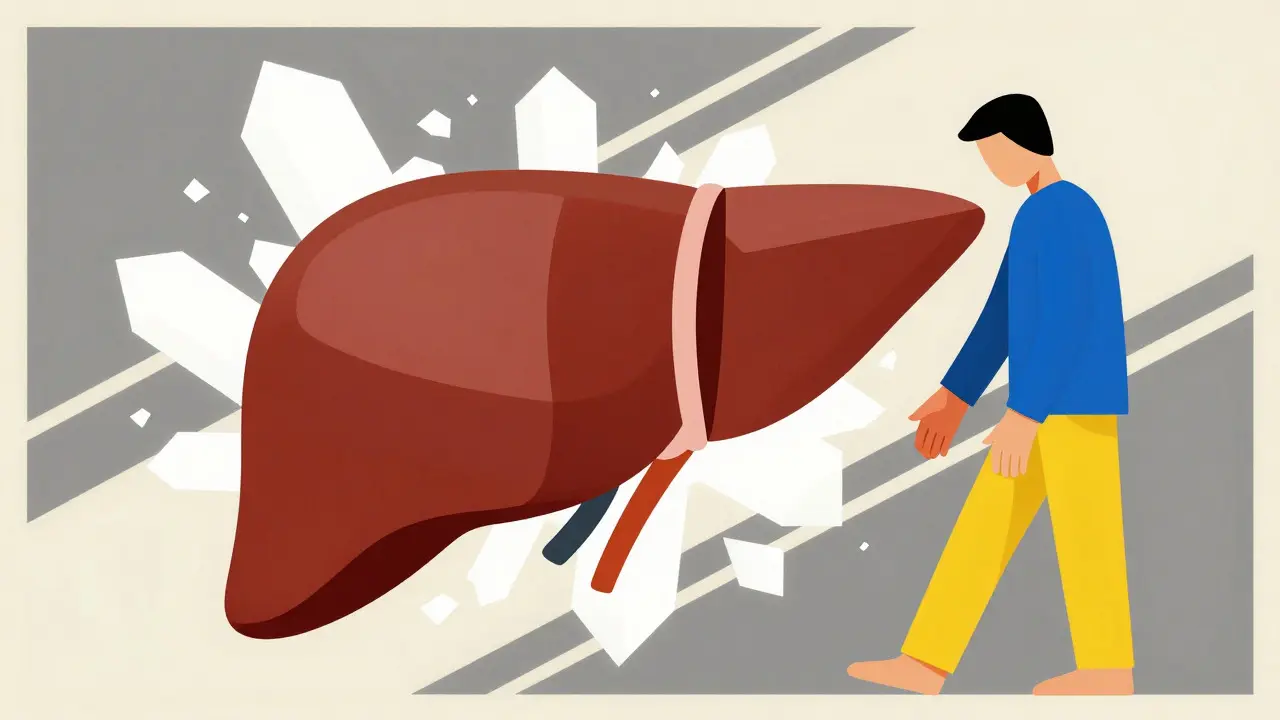
One of the most distinct side effects of bempedoic acid is its impact on uric acid levels. Clinical trials have shown that bempedoic acid can cause hyperuricemia, which is a condition characterized by elevated levels of uric acid in the blood. When uric acid builds up, it can form sharp crystals in your joints, leading to sudden, severe pain known as a gout attack.
Data from clinical studies indicates that approximately 2.1% of patients taking bempedoic acid experience high uric acid levels, compared to just 0.4% of those on a placebo. More importantly, about 1.5% of patients report actual gout attacks, whereas only 0.5% of placebo recipients do. If you already have a history of gout, this risk increases significantly. Studies show that patients with prior gout have a 2.3% incidence of flares while on bempedoic acid, compared to 1.2% for those without such a history.
Symptoms usually appear within the first four weeks of starting treatment. You might feel intense pain, redness, and swelling, typically in the big toe, but it can affect any joint. If you notice these signs, don't ignore them. Contact your doctor immediately, as early intervention can prevent long-term joint damage.
Tendon Risks: Ruptures and Injuries
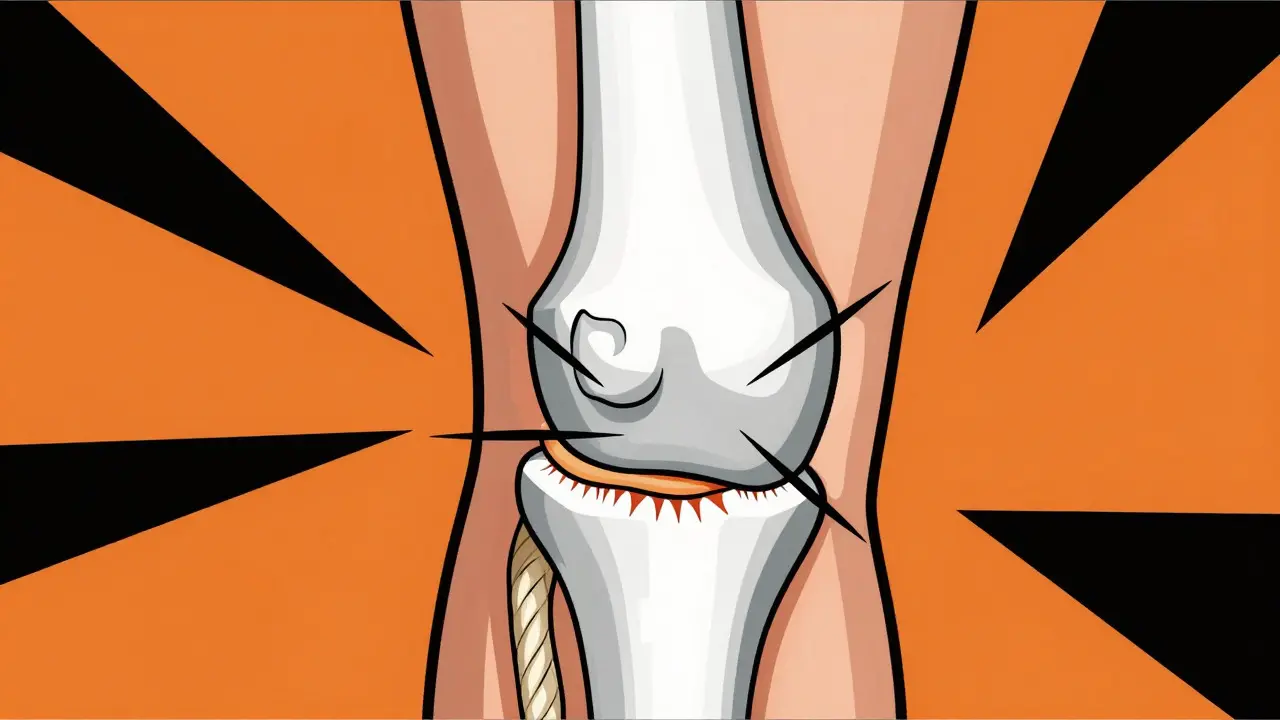
While muscle pain is less common with bempedoic acid than with statins, the risk shifts to your tendons. Tendons are the tough bands of tissue that connect your muscles to your bones. Bempedoic acid has been associated with an increased risk of tendon inflammation (tendinitis) and, more seriously, tendon rupture.
In clinical trials, tendon-related events occurred in 0.7% of patients taking bempedoic acid versus 0.1% in the placebo group. This might sound small, but tendon ruptures are debilitating injuries that often require surgery and extensive rehabilitation. The risk becomes even higher if you combine bempedoic acid with a statin. Some data suggests that when used together, the risk of tendon injury can be up to 3.5 times higher than expected.
You should watch for warning signs such as:
- Pain, weakness, or stiffness in your neck, shoulder, or back
- A sudden "snap" or "pop" sound in your arm or leg
- Bruising or swelling near a joint after minor trauma
- Difficulty moving or bearing weight on the affected limb
If you experience any of these symptoms, stop taking the medication and seek medical attention right away. Patients with pre-existing tendon disorders or those currently taking fluoroquinolone antibiotics (like ciprofloxacin) should generally avoid bempedoic acid due to additive toxicity risks.
Other Common Side Effects to Expect
Beyond gout and tendon issues, there are several other side effects that occur frequently enough to warrant discussion. These are generally milder but can still impact your quality of life.
| Side Effect | Bempedoic Acid Incidence | Placebo Incidence |
|---|---|---|
| Muscle Spasms | 5.8% | 2.5% |
| Back Pain | 4.9% | 2.6% |
| Upper Respiratory Tract Infection | 7.7% | 5.1% |
| Elevated Liver Enzymes | 2.2% | 0.9% |
| Anemia | 1.8% | 0.5% |
Muscle spasms are surprisingly common, affecting nearly 6% of users. Unlike the persistent muscle pain associated with statins, these spasms are often transient and may resolve within a few weeks of continued therapy. Back pain and general pain in the hands or feet are also reported more frequently than in the placebo group.
Liver health is another area of concern. Bempedoic acid can elevate liver enzymes (ALT and AST). While significant liver damage is rare, your doctor will likely order regular blood tests to monitor your liver function, especially during the first few months of treatment. Anemia, or low red blood cell count, is another documented side effect, though it is usually mild and rarely requires stopping the medication.

Managing Risks: Monitoring and Prevention
You don’t have to accept these risks blindly. There are proactive steps you and your healthcare provider can take to minimize complications.
Uric Acid Monitoring: If you are at risk for gout, your doctor may check your uric acid levels before you start bempedoic acid and again after four weeks. If your levels are high, they might prescribe prophylactic medication like allopurinol. Studies suggest that taking allopurinol can reduce the incidence of gout attacks by approximately 65% in patients on bempedoic acid.
Tendon Care: Avoid combining bempedoic acid with medications known to increase tendon rupture risk, such as corticosteroids or certain antibiotics. If you engage in high-impact sports, consider modifying your routine initially to see how your tendons respond. Gradual increases in activity intensity can help identify early signs of tendinitis before a rupture occurs.
Liver Health: Limit alcohol consumption, as both alcohol and bempedoic acid can stress the liver. Attend all scheduled lab appointments to ensure your liver enzymes remain within safe limits.
Comparing Bempedoic Acid to Alternatives
If the side effect profile of bempedoic acid seems daunting, it’s worth comparing it to other options available for statin-intolerant patients. Ezetimibe is another common alternative. While ezetimibe has a lower risk of gout and tendon issues, it may not lower LDL cholesterol as effectively for some patients. Bempedoic acid typically reduces LDL by 15-25%, similar to ezetimibe, but offers a different mechanism of action.
For patients requiring more aggressive lipid lowering, PCSK9 inhibitors (such as evolocumab or alirocumab) are highly effective but come with higher costs and require injection administration. Bempedoic acid remains a valuable oral option for those who need moderate LDL reduction and cannot tolerate statins, provided the gout and tendon risks are managed carefully.
Can bempedoic acid cause permanent joint damage?
If left untreated, recurrent gout attacks caused by bempedoic acid-induced hyperuricemia can lead to permanent joint damage and deformity. However, with proper monitoring and preventive medication like allopurinol, most patients can manage their uric acid levels and avoid lasting harm.
Is bempedoic acid safer than statins for muscles?
Yes, generally speaking. Because bempedoic acid is inactive in skeletal muscle, it causes significantly less muscle pain and weakness than statins. However, it shifts the risk profile toward tendons and joints rather than eliminating musculoskeletal issues entirely.
How quickly do side effects appear?
Most side effects, including gout attacks and muscle spasms, tend to manifest within the first four weeks of starting treatment. This is why close monitoring during the initial month is critical for patient safety.
Should I stop taking bempedoic acid if I have a cold?
Not necessarily. Upper respiratory tract infections are a common side effect, but they are usually mild. Unless you develop fever or severe symptoms, you can typically continue the medication. Consult your doctor if symptoms persist or worsen.
Does bempedoic acid interact with other cholesterol drugs?
Yes. It is often combined with ezetimibe (Nexlizet) for enhanced efficacy. It can also be used alongside statins, but this combination increases the risk of tendon injuries and muscle-related side effects, so careful supervision is required.