Fall Risk Assessment Tool for Antihistamines
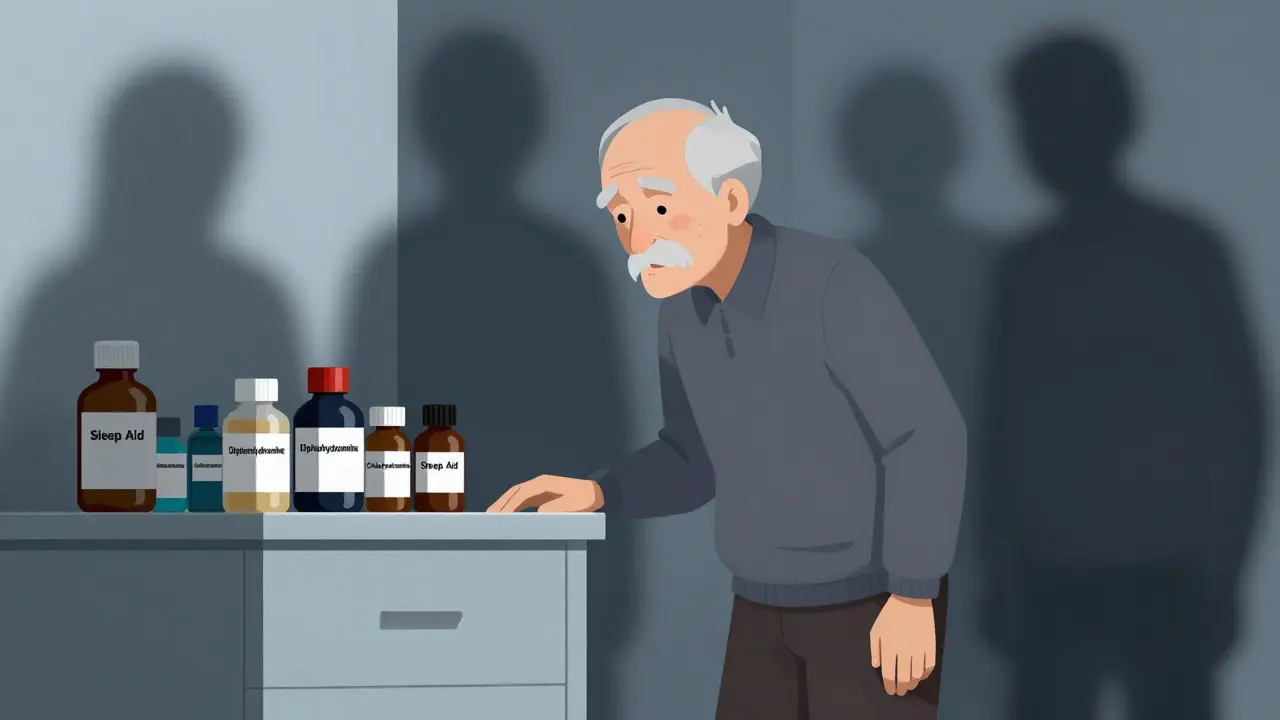
Every year, more than one in four older adults falls. For many, the cause isn’t just slippery floors or poor lighting-it’s a common medicine sitting in their medicine cabinet. First-generation antihistamines like diphenhydramine (Benadryl), chlorpheniramine, and brompheniramine are still widely used by older adults for allergies, colds, or even sleep. But these drugs aren’t harmless. They’re quietly increasing the chance of a fall that could break a hip, lead to hospitalization, or even end a life.
Why Sedating Antihistamines Are Dangerous for Older Adults
These medications work by blocking histamine to stop sneezing and runny noses. But unlike newer versions, they easily cross into the brain. That’s where the problem starts. They slow down brain activity, causing drowsiness, dizziness, blurred vision, and slower reaction times-all of which wreck balance. Older adults already have weaker muscles, slower reflexes, and sometimes inner ear changes that affect stability. Add a sedating antihistamine on top, and the risk skyrockets.Diphenhydramine, the most common one, lasts longer in older bodies. In a 30-year-old, it clears in about 8.5 hours. In someone over 65, it can stick around for over 13 hours. That means if someone takes it at night for sleep, they’re still groggy the next morning. And that’s when most falls happen-getting up to use the bathroom, walking to the kitchen, or stepping off a curb.
Research shows clear harm. A 2025 study tracking nearly 200,000 older adults found that those who filled a prescription for a sedating antihistamine had an 8% chance of falling within two months. Another analysis of 15 studies found that using these drugs raised the risk of a serious fall or fracture by 54%. Even worse, people on these meds were 2.3 times more likely to go into delirium in the hospital-a state of sudden confusion that makes falling even more likely.
The Beers Criteria and What Doctors Are Supposed to Do
The American Geriatric Society has been warning doctors for years. Their Beers Criteria, updated in 2025, lists first-generation antihistamines as “potentially inappropriate” for older adults. That’s not a suggestion. It’s a red flag. These drugs are on the same list as benzodiazepines and certain painkillers-medications known to cause falls, confusion, and memory loss.Yet, they’re still prescribed. A 2019 study found that 12.7% of older adults visiting a dermatologist got a first-generation antihistamine. That’s almost the same rate as younger patients. Why? Because many doctors don’t realize how dangerous they are for aging bodies. Pharmacists see it too. In “brown bag” reviews-where patients bring all their meds to the pharmacy-on average, each older adult had 3.2 high-risk medications, including antihistamines.
The CDC’s STEADI program calls this a preventable crisis. They say: STOP the risky meds, SWITCH to safer ones, and REDUCE doses when you can. But without awareness, none of that happens.
Second-Generation Antihistamines: The Safer Choice
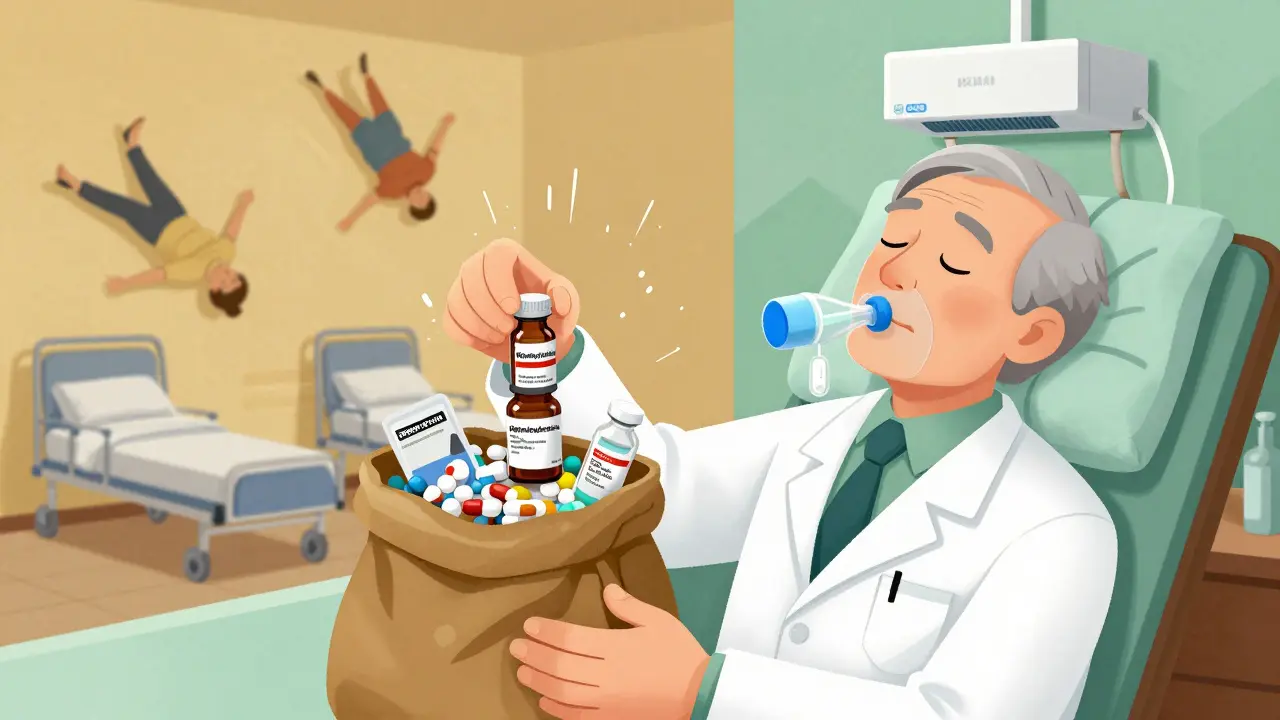
There’s a better option: second-generation antihistamines. These include loratadine (Claritin), cetirizine (Zyrtec), and fexofenadine (Allegra). They’re designed to stay out of the brain. They don’t cause the same level of drowsiness or dizziness.Here’s the difference in numbers:
- Diphenhydramine causes drowsiness in 15-20% of users; fexofenadine causes it in just 6%.
- Fexofenadine has an anticholinergic burden score of 0-meaning almost no brain impact. Diphenhydramine? Score of 4-the highest risk level.
- Studies show switching from first- to second-generation antihistamines cuts fall risk by 42%.
That doesn’t mean second-generation drugs are perfect. Cetirizine still causes drowsiness in about 14% of older adults. Fexofenadine is the safest bet. If someone needs an antihistamine, fexofenadine is the clear winner.
What to Do Instead of Taking Antihistamines
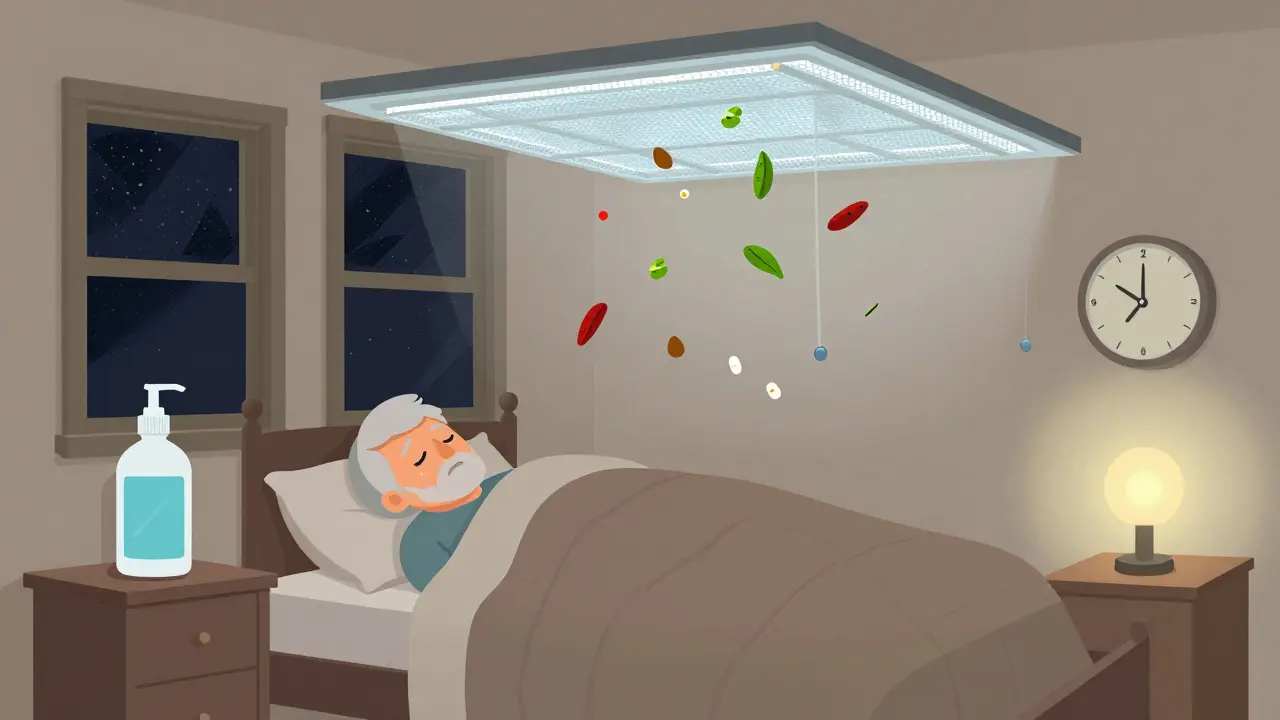
The best strategy? Avoid the medicine altogether. For allergies, there are proven non-drug ways to cut symptoms:- Nasal saline rinses reduce congestion and itching by 35-40%-as effective as some antihistamines, with zero side effects.
- Allergen-proof bedding cuts dust mite exposure by 83%. Dust mites are the #1 trigger for indoor allergies.
- HEPA air filters remove 99.97% of airborne allergens. A simple one in the bedroom can make a huge difference.
- Keeping windows closed during high pollen season and showering before bed reduces overnight exposure.
For sleep, diphenhydramine is often used because it makes people drowsy. But it doesn’t improve sleep quality-it just knocks you out. The CDC and American Geriatrics Society recommend sleep hygiene instead: fixed bedtime, no screens an hour before bed, avoiding caffeine after noon, and keeping the room cool and dark. These work better long-term and don’t increase fall risk.
How to Take Action-For Patients and Caregivers
If you or a loved one is taking diphenhydramine or another first-generation antihistamine, here’s what to do:- Check the label. Look for diphenhydramine, chlorpheniramine, or brompheniramine. They’re in many OTC cold, allergy, and sleep products-even some “natural” sleep aids.
- Bring all meds to the pharmacy. Ask for a “brown bag review.” Pharmacists can spot risky combinations and suggest safer swaps.
- Ask your doctor or pharmacist: “Is this medicine safe for someone my age? Is there a better option?”
- Don’t stop cold turkey. If you’ve been taking it for sleep, suddenly stopping can cause rebound insomnia. Work with your provider to taper off slowly while adding non-drug sleep habits.
- Make your home safer. Install grab bars in the bathroom, add nightlights, remove loose rugs, and clear clutter from walkways. These changes alone can reduce falls by up to 32%.
Pharmacist-led reviews have been shown to reduce fall risk by 26%. That’s not a small number. It’s life-changing.
The Bigger Picture: Why This Problem Persists
Despite all the evidence, first-generation antihistamines are still the third most bought OTC sleep aid in the U.S. for people over 65. In 2024, 28.7 million doses were sold-generating $142 million in revenue. The labels warn about urinary trouble or glaucoma, but not about falls. No bold warning says: “This drug can make you fall.”Regulators have been slow. The FDA added warnings in 2020, but they’re buried in small print. Meanwhile, sales of safer second-generation antihistamines are growing-up 12.3% yearly among older adults. But they still only make up 59% of the market. The rest? Still risky.
Change is coming. Since 2024, Medicare’s Annual Wellness Visit now requires doctors to review high-risk medications, including antihistamines, as part of fall risk screening. New drugs are in trials-ones designed to block allergies without touching the brain. Early results show 89% less drowsiness than diphenhydramine.
But waiting for new drugs isn’t an option. The tools we have now-safer antihistamines, saline rinses, HEPA filters, sleep hygiene-are already here. They’re cheap. They’re safe. And they work.
Every older adult deserves to live without fear of falling. That starts with a simple question: “Is this medicine really helping-or is it putting me at risk?”





kenneth pillet January 18, 2026
took my dad off benadryl last year after his fall. he was taking it for sleep. switched to melatonin and now he doesnt stumble to the bathroom at 3am. simple fix, nobody talks about it.
rachel bellet January 18, 2026
the anticholinergic burden score is the real villain here. diphenhydramine at a score of 4 is essentially a neurotoxin in elderly pharmacokinetics. the fact that otc labels don't scream 'fall risk' is a regulatory failure of epic proportions. this isn't negligence-it's systemic abandonment of geriatric safety.
Praseetha Pn January 20, 2026
you think this is bad? wait till you find out the same companies that sell benadryl also own the nursing homes where these old folks end up after breaking their hips. it's a money pipeline, folks. the fda? paid off. the doctors? asleep. the labels? lies wrapped in tiny font. they want you old, confused, and bedridden so they can bill medicaid for 'fall management'.
Danny Gray January 22, 2026
so we're supposed to believe that a drug company's profit motive is the only reason these meds are still on shelves? what about cultural inertia? we've been told for decades that 'a little diphenhydramine helps you sleep'-it's in movies, commercials, grandma's cabinet. changing that takes more than science. it takes a shift in how we see aging.
Max Sinclair January 22, 2026
really appreciate this breakdown. i work in home care and see this every week. the biggest hurdle isn't the meds-it's the family insisting 'but it's just a little sleep aid!' when grandma's been tripping over the rug for months. education matters. sharing this with my clients' kids now.
Andrew Qu January 24, 2026
if you're on diphenhydramine and reading this-don't panic. don't quit cold turkey. talk to your pharmacist. they can help you swap to fexofenadine or even suggest non-drug fixes. i've seen people sleep better without pills once they fix their room temp and cut screen time. it's not magic-it's just better habits.
Tyler Myers January 25, 2026
they're lying to you. benadryl doesn't cause falls. it's the government's new way to control the elderly. they want you dependent on their 'safe' meds so they can track your movements through your pharmacy data. the real danger isn't the antihistamine-it's the surveillance state hiding behind 'fall prevention'.
Kristin Dailey January 26, 2026
why are we still letting old people take these? they should be banned. period. no excuses. if you're over 65 and still using benadryl, you're a danger to yourself and others.
Stacey Marsengill January 26, 2026
i lost my uncle to a fall after he took 'just one' for allergies. they didn't warn him. the pharmacist didn't say a word. now i can't look at any otc bottle without wanting to scream. this isn't medicine-it's a silent killer wrapped in a rainbow label.
Jodi Harding January 27, 2026
we treat aging like a glitch to be fixed with pills. but the real solution? listening. to the body. to the silence between heartbeats. to the trembling hands that just need a hand to hold-not a chemical crutch.
Robert Cassidy January 27, 2026
the american healthcare system is a pyramid scheme built on pills. the more you take, the more they profit. benadryl? just the tip. next up: your thyroid, your cholesterol, your soul. they don't want you healthy. they want you medicated. and scared.
Wendy Claughton January 28, 2026
thank you for writing this!! 🙏 i showed it to my mom and she finally agreed to switch from zyrtec to fexofenadine (after i begged her for months). also got her a HEPA filter-her allergies are way better, and she hasn't slipped in the shower since. small wins matter!! 💪🌿
Pat Dean January 29, 2026
you're all missing the point. this isn't about meds. it's about the collapse of family care. when was the last time you sat with your grandparent and asked how they slept? we outsource aging to pharmacies and then act shocked when they fall. we built this. we're the problem.
Zoe Brooks January 29, 2026
my grandma switched to saline rinses and now she's out gardening again 🌼 i used to worry every time she got up at night. now she laughs and says 'i don't need chemicals to sleep, i need quiet'. love you, grandma. 🤍
Robert Davis January 31, 2026
interesting data. but have you considered that maybe older adults just need better lighting? or that the real issue is the design of modern homes? we blame the medicine because it's easier than admitting our houses are death traps for seniors.