Remember when you could just pop into any pharmacy and grab a bottle of Ranitidine, commonly known by the brand name Zantac? Those days are gone. If you are searching for how to buy this acid-reducing medication online today, you need to stop and read this carefully. The landscape for this drug has changed completely since 2020.
In 2020, the U.S. Food and Drug Administration (FDA) ordered all prescription and over-the-counter ranitidine products off the market. Why? Because the drug was found to contain unacceptable levels of N-nitrosodimethylamine (NDMA), a probable human carcinogen that increases as the drug sits on a shelf or is exposed to heat. Since then, buying genuine, legal ranitidine in the United States, United Kingdom, Canada, and most other developed nations is impossible through legitimate channels.
So, if you see websites selling "Ranitidine" or "Zantac" right now, they are likely selling expired stock, counterfeit pills, or unregulated generics from countries with lax safety standards. This guide explains why you should avoid these sites, what the risks actually are, and where you can safely find effective alternatives for your heartburn or ulcer pain.
The Reality of Buying Ranitidine Online Today
You might stumble upon websites claiming to sell cheap ranitidine tablets. Some list prices as low as $0.05 per pill, while others charge premium rates for "Canadian" or "European" imports. Here is the hard truth: these sites are operating in a gray area at best, and an illegal one at worst.
Legitimate pharmacies in regulated markets have removed ranitidine from their shelves. If a website still lists it, they are either:
- Selling old inventory: Stock that was manufactured before the ban. NDMA levels rise over time, making older pills potentially more dangerous than new ones.
- Importing from unregulated sources: Drugs sourced from manufacturers who do not follow Good Manufacturing Practices (GMP). There is no guarantee the pill contains the correct dosage or even active ingredients.
- Counterfeit operations: Sites designed to steal credit card information or ship placebos.
I’ve seen forums where users brag about finding "cheap Zantac" from international suppliers. But consider this: if a major pharmaceutical company like Boehringer Ingelheim voluntarily recalled millions of units because of cancer risk, why would you trust a random website’s quality control?
Why Was Ranitidine Banned?
To understand why you shouldn't buy it, you need to understand the chemistry. Ranitidine is an H2 blocker. It works by reducing the amount of acid your stomach produces. It was once the gold standard for treating gastroesophageal reflux disease (GERD), peptic ulcers, and Zollinger-Ellison syndrome.
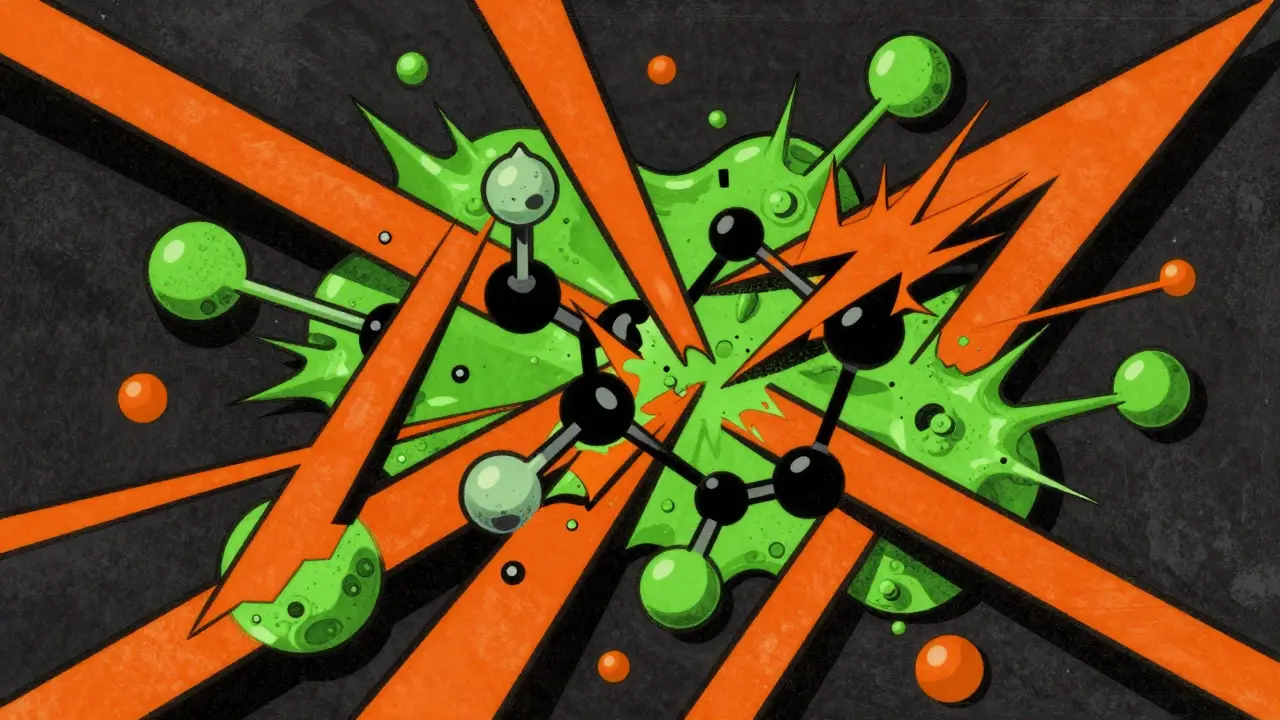
The problem isn’t ranitidine itself, but its stability. When stored at room temperature-or worse, heated-the molecule breaks down and forms NDMA. The FDA determined that patients taking ranitidine were exposed to NDMA levels far exceeding acceptable limits. While the exact cancer risk from short-term use is debated, the potential long-term harm outweighed the benefits, especially since safer alternatives exist.
This wasn’t just a U.S. issue. The European Medicines Agency (EMA), the UK’s Medicines and Healthcare products Regulatory Agency (MHRA), and Health Canada all issued similar recalls. This global consensus means there is no "safe haven" country where ranitidine is considered first-line treatment anymore.
Safe Alternatives to Ranitidine
Good news: you don’t need ranitidine to treat acid reflux. Modern medicine offers several classes of drugs that are equally effective and much safer. You can buy these online from reputable retailers like Amazon, Walmart, CVS, or Boots, depending on your location.
| Drug Class | Common Brand Names | How It Works | Availability |
|---|---|---|---|
| H2 Blockers | Famotidine (Pepcid) | Reduces acid production | Over-the-counter (OTC) & Prescription |
| Proton Pump Inhibitors (PPIs) | Omeprazole (Prilosec), Esomeprazole (Nexium) | Blocks acid pumps in stomach lining | OTC & Prescription |
| Antacids | Tums, Rolaids, Maalox | Neutralizes existing stomach acid | OTC |
Famotidine is the closest direct replacement for ranitidine. It is also an H2 blocker, so it works in the same way but does not degrade into carcinogens. It is widely available, affordable, and often recommended by doctors as the go-to substitute.
PPIs like Omeprazole are stronger and better for chronic GERD. They take a bit longer to kick in but provide longer-lasting relief. For occasional heartburn, simple antacids work instantly by neutralizing acid already in your stomach.
How to Identify a Legitimate Online Pharmacy
If you need prescription-strength acid reducers, you will need a valid prescription from a doctor. Once you have that, you can buy medication online safely. But how do you know if a site is legit? Look for these verification seals:
- VIPPS (U.S.): Verified Internet Pharmacy Practice Sites. This seal means the pharmacy is accredited by the National Association of Boards of Pharmacy (NABP).
- GPhC Registration (UK): In the United Kingdom, check that the pharmacy is registered with the General Pharmaceutical Council. Their logo should link directly to the GPhC register.
- CIPA Certification (Canada): Canadian Internet Pharmacy Association certification ensures the pharmacy follows strict safety and privacy standards.
A red flag is any site that sells prescription medications without asking for a prescription. Another warning sign is prices that seem too good to be true. If a generic PPI costs $10 at a local store and a website offers it for $2, ask yourself who is cutting corners.
Steps to Safely Manage Acid Reflux Online
Here is a practical plan to get the help you need without risking your health:
- Consult a Doctor: Use telehealth services like Teladoc, Amwell, or NHS App (in the UK) to speak with a physician. Explain your symptoms. They can determine if you need an H2 blocker, a PPI, or further testing for ulcers.
- Get a Digital Prescription: Most telehealth platforms can send prescriptions directly to your preferred local or online pharmacy.
- Choose a Reputable Retailer: Stick to well-known chains. In the U.S., try CVS.com, Walgreens.com, or Amazon Pharmacy. In the UK, use Boots.com or Superdrug. These platforms verify prescriptions and ensure product integrity.
- Check for Insurance Coverage: Many insurance plans cover generic famotidine or omeprazole. Use tools like GoodRx to compare cash prices if you are paying out-of-pocket.
- Store Medication Properly: Keep your meds in a cool, dry place. Heat accelerates degradation in many drugs, though modern formulations are stable enough for normal home storage.
What About Generic Brands from Other Countries?
You might see names like Aciloc, Zinetac, or Pentac listed on international supplier sites. These are generic brands of ranitidine manufactured in countries like India. While some of these manufacturers are reputable, importing them individually is risky.
The FDA and other regulatory bodies have cracked down on personal importation of banned drugs. Even if the manufacturer is legitimate, the supply chain may expose the drugs to heat or humidity during shipping, increasing NDMA levels. Additionally, if something goes wrong-like an allergic reaction or adverse interaction-you have little legal recourse against a foreign entity.
Is saving a few dollars worth the potential cancer risk and lack of consumer protection? For most people, the answer is no.
When to See a Doctor Immediately
Heartburn is common, but it can signal serious conditions. Don’t self-medicate indefinitely. Seek medical attention if you experience:
- Difficulty swallowing
- Unintentional weight loss
- Black or bloody stools
- Severe abdominal pain
- Vomiting blood
These symptoms could indicate esophageal damage, bleeding ulcers, or even gastric cancer. No amount of online shopping can fix these issues; they require professional diagnosis and treatment.
Conclusion: Prioritize Safety Over Convenience
The temptation to find cheap ranitidine online is understandable, especially if you relied on it for years. But the science is clear: the risks outweigh the benefits. By switching to famotidine or a PPI, you get effective relief without the cancer scare. Use verified online pharmacies, consult with healthcare providers via telehealth, and protect your long-term health. Your stomach-and your future self-will thank you.
Can I still buy Zantac in stores?
No. As of 2020, all prescription and over-the-counter Zantac (ranitidine) products have been withdrawn from the market in the U.S., UK, Canada, and EU due to concerns about NDMA contamination.
What is the safest alternative to ranitidine?
Famotidine (brand name Pepcid) is the most direct alternative. It is an H2 blocker like ranitidine but does not break down into harmful compounds. Proton pump inhibitors (PPIs) like omeprazole are also effective for more severe cases.
Is it legal to buy ranitidine from international websites?
In many countries, including the U.S., importing banned prescription drugs is illegal. Even if the seller claims it is legal, you risk receiving contaminated products, facing customs seizure, or having no legal recourse if harmed.
How do I know if an online pharmacy is safe?
Look for accreditation seals like VIPPS (U.S.), GPhC registration (UK), or CIPA certification (Canada). Safe pharmacies require a valid prescription, have a licensed pharmacist available for consultation, and display a physical address and phone number.
Does famotidine have side effects?
Famotidine is generally well-tolerated. Common side effects may include headache, dizziness, or constipation. Serious side effects are rare. Always consult your doctor before starting any new medication, especially if you have kidney issues or take other drugs.