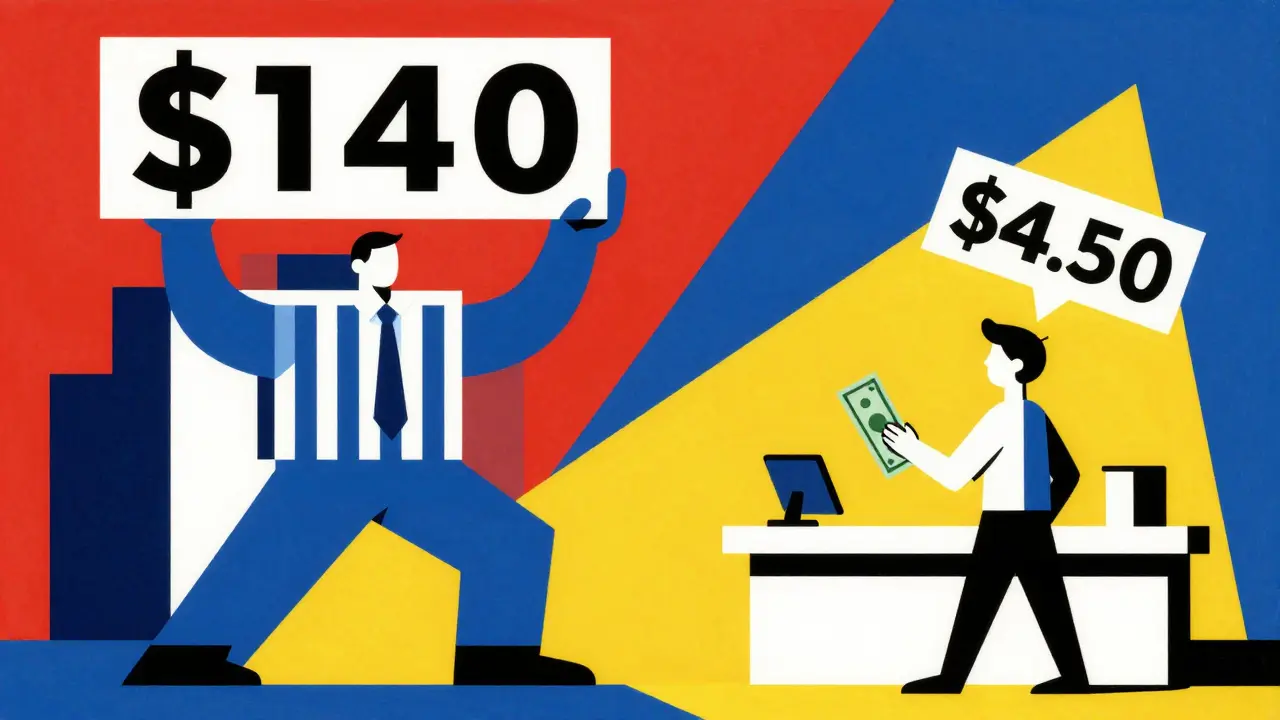
Imagine walking into two different pharmacies on the same street. You ask for the exact same bottle of generic blood pressure medication. At one counter, the clerk says $140. At the other, just a few blocks away, the price is $4.50. This isn’t a hypothetical scenario or a rare glitch in the system. It is the daily reality for millions of people trying to manage their health without going broke.
If you have ever felt confused by your prescription bill, you are not alone. The way drug prices work in the United States is complicated, opaque, and often frustrating. But here is the good news: you have more power than you think. By learning how to shop for cash price medications, you can cut costs by up to 90% on common generics. You do not need to be a financial expert or a pharmacist to do this. You just need to know where to look and what questions to ask.
Why Do Drug Prices Vary So Much?
To save money, you first need to understand why prices change so drastically from one store to the next. It is not random. Pharmaceutical manufacturers use a strategy called "price discrimination." In simple terms, they charge different customers different amounts based on who has the most bargaining power.
Big insurance companies and Pharmacy Benefit Managers (PBMs) negotiate massive rebates and discounts behind closed doors. These savings rarely reach you at the checkout counter. Meanwhile, if you pay with cash, you are seen as a "price-sensitive" buyer. Manufacturers offer specific discounts to these buyers to keep them from switching to cheaper alternatives. According to a 2022 white paper from the U.S. Department of Health and Human Services, no one pays a higher price to subsidize someone else’s discount. Everyone pays according to their position in the market.
This means that when you walk in with cash (or a digital coupon), you trigger a different pricing tier than when you swipe an insurance card. Sometimes, your insurance co-pay is actually *higher* than the discounted cash price because the insurance plan has negotiated a rate that doesn't reflect current market discounts. Understanding this dynamic is the first step to taking control of your spending.
The Essential Toolkit: Discount Apps and Websites
You cannot effectively shop for the best price using only your memory or a quick phone call. You need data. Over the past decade, several platforms have emerged that aggregate pricing information from tens of thousands of pharmacies. These tools act as your personal price comparators.
- GoodRx: The most well-known platform, serving over 200 million users annually. It negotiates direct discounts with pharmacies in exchange for customer referrals. Founded in 2011, it remains the industry standard for checking baseline cash prices.
- RxSaver: A strong alternative that often matches or beats GoodRx prices, especially for brand-name drugs where GoodRx might lag. It operates similarly by aggregating data but sometimes offers better deals at independent pharmacies.
- WellRX: Another reliable option for cross-referencing prices, particularly useful in regions where local chains dominate.
Here is the pro tip: never rely on just one app. Prices fluctuate daily. A study published in PMC (Luo et al., 2021) found that while GoodRx was generally effective, cross-referencing with other tools like RxSaver could reveal even lower prices, particularly at supermarket pharmacies versus national chains. Think of these apps as your search engines for drug prices. Use them before you leave the house.
Where to Buy: Chain vs. Supermarket vs. Independent
Not all pharmacies are created equal when it comes to cash pricing. The type of business model significantly impacts what you pay at the register.
| Pharmacy Type | Average Undiscounted Cash Price | Average Discounted Price (e.g., GoodRx) | Key Characteristic |
|---|---|---|---|
| National Chains (CVS, Walgreens) | $64.42 | $28.17 - $35.00 | High convenience, but often higher base margins ($12.68 per rx). |
| Supermarkets (Kroger, Safeway) | $32.00 - $40.00 | $15.00 - $20.00 | Often 50% cheaper than national chains; frequent flat-rate programs ($4/$10 lists). |
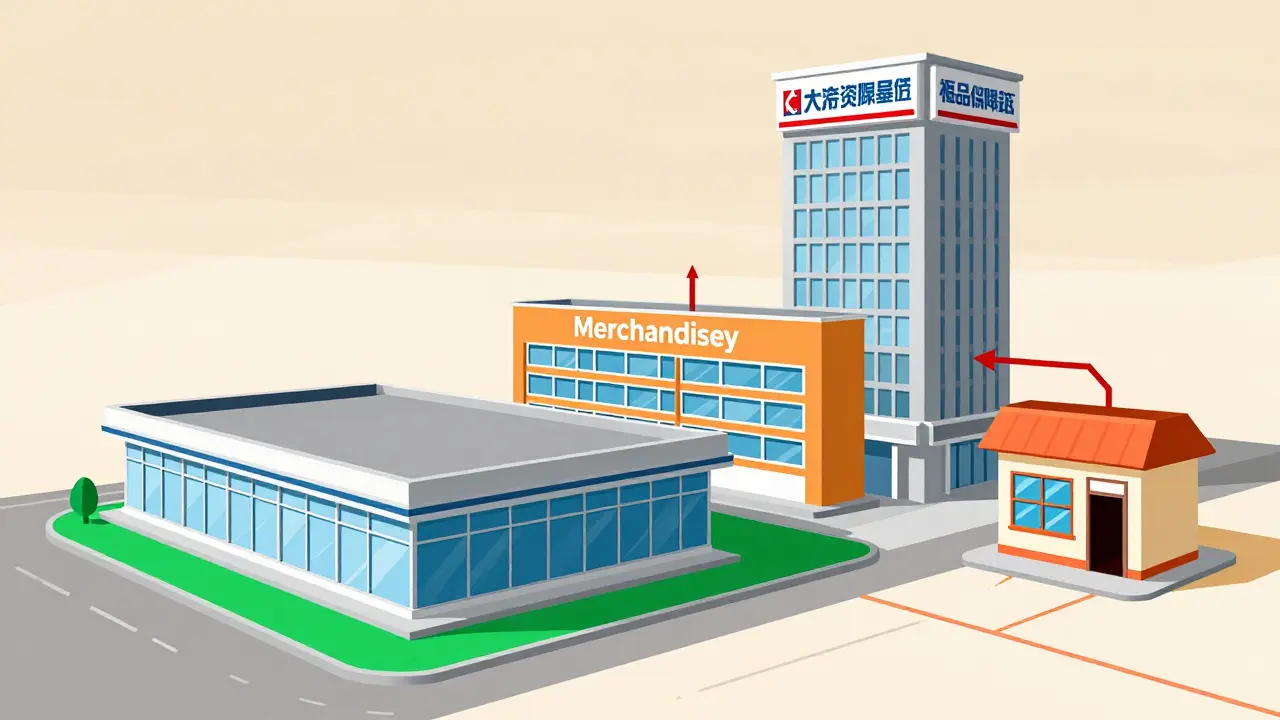
| Mass Merchandisers (Walmart, Costco) | $25.00 - $35.00 | $4.00 - $10.00 | Aggressive low-price strategies; Walmart’s $4/$10 list is a benchmark for generics. |
| Independent Pharmacies | Variable ($20-$100+) | Variable | Can be cheapest if you build a relationship; may offer unadvertised discounts. |
Data from the NIH-funded study shows that supermarket pharmacies often offer the lowest discounted cash prices for generic medications, averaging nearly half the cost of national chains. Mass merchandisers like Walmart and Costco are also fierce competitors, often maintaining slim margins to drive foot traffic into their stores.
Do not overlook independent pharmacies. While some charge premium prices, many local owners are willing to match online quotes or offer loyalty discounts to regular customers. A 2023 report from UnityPoint Health noted that 38% of surveyed independent pharmacies provide unadvertised discounts to build community trust. It never hurts to ask the owner directly: "I saw this price online. Can you match it?"
Step-by-Step: How to Execute Your Pharmacy Shopping Strategy
Knowing the theory is one thing; doing it is another. Here is a practical workflow to ensure you always get the best deal.
- Check the undiscounted cash price first. Before you hand over your insurance card, ask the pharmacist, "What is the cash price for this medication?" Many people are shocked to find that the cash price-especially with a coupon-is lower than their insurance co-pay. LifeCare Advocates documented this frequently in their 2023 guide. If the cash price is lower, pay cash. Your insurance usage won't be affected negatively in most cases, though check your plan details if you are close to a deductible threshold.
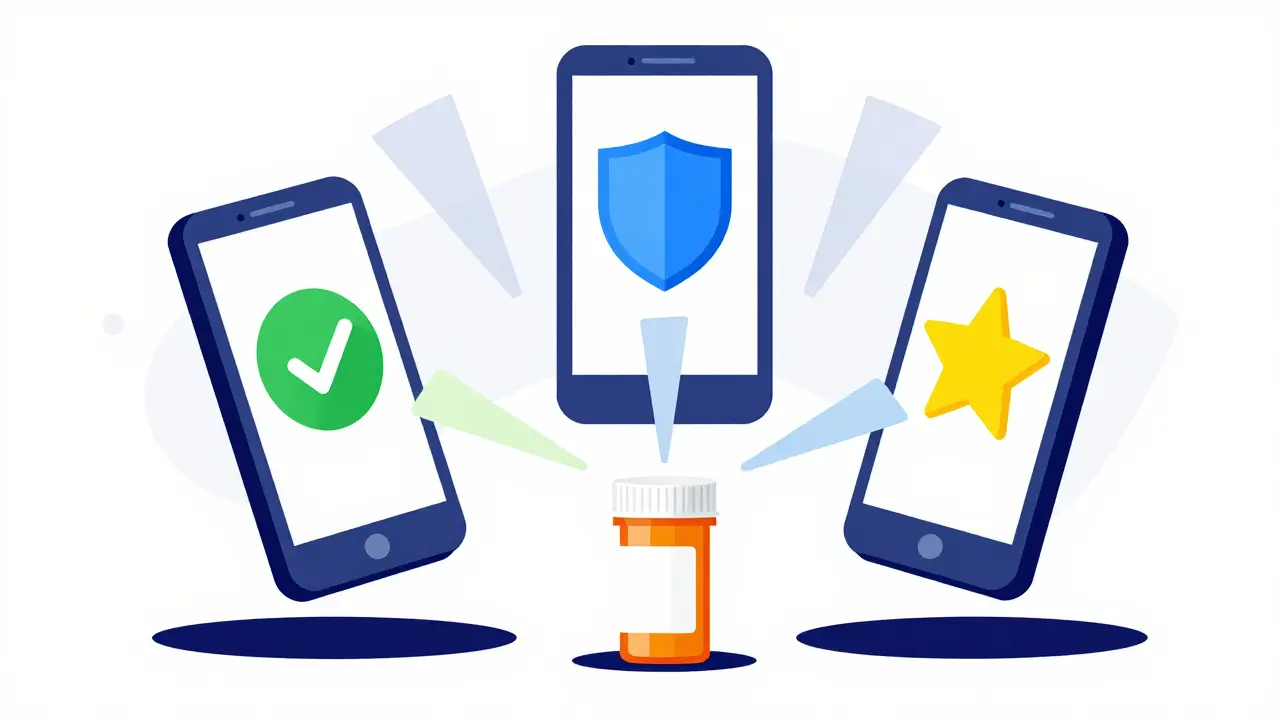
- Use three apps simultaneously. Open GoodRx, RxSaver, and WellRX on your phone. Enter your medication name, dosage, and ZIP code. Compare the top three results. Note which pharmacy offers the lowest price. Remember, prices can differ between locations of the same chain, so check the specific store address.
- Consider mail-order options for maintenance drugs. If you take the same medication every day, like metformin or lisinopril, look into mail-order services. RXOutreach.com is a non-profit that serves patients with household incomes below 300% of the federal poverty level (approximately $45,000 for individuals in 2023). They offer substantial reductions on generics. Even if you have insurance, qualifying for these programs can slash your annual bill.
- Leverage Medicare Part D wisely. If you are on Medicare, review your plan options during open enrollment (October 15-December 7). Preferred pharmacy networks can reduce costs by 15-25%. However, even with Medicare, price shopping matters. Dr. Erin Trish of USC warns that without comparing prices, beneficiaries still overpay by hundreds of dollars annually. The new out-of-pocket cap of $2,000 starting in 2025 helps, but avoiding unnecessary spending earlier in the year is still crucial.
- Build a relationship with a local pharmacist. Technology is great, but human connection works too. If you find a local independent pharmacy that offers fair prices, go there consistently. Pharmacists remember loyal customers. They may alert you to new coupons, therapeutic switches (cheaper alternatives with similar effects), or bulk-buy discounts that don’t appear on apps.
Pitfalls to Avoid When Shopping for Cash Prices
While saving money is the goal, there are traps to watch out for.
Brand-name limitations: Discount apps shine brightest with generic drugs. For brand-name medications, the savings are often smaller. A 2021 NIH study found that GoodRx-discounted prices for brand-name drugs did not differ significantly from undiscounted cash prices across many pharmacy types. If you are on a brand-name drug, talk to your doctor about therapeutic equivalents. Switching from a brand-name biologic to a biosimilar or a generic alternative can yield far greater savings than any coupon.
Price mismatches: Occasionally, the price shown on an app does not match the register. A 2022 Consumer Reports survey found that 12.7% of users experienced this discrepancy. Always confirm the final price with the pharmacist before handing over payment. If the price is higher, show them the screenshot. Most reputable pharmacies will honor the quoted price to maintain their reputation on these platforms.
Ignoring quantity discounts: Some pharmacies offer lower per-unit costs if you buy a 90-day supply instead of a 30-day supply. Ask about this explicitly. Mail-order pharmacies almost always require 90-day fills, which naturally lowers the shipping and handling cost per pill.
Real-World Examples of Savings
Let’s look at what this looks like in practice. On Reddit’s r/personalfinance, user u/MedSaver2023 shared that they paid $1.89 for metformin at a local independent pharmacy using a GoodRx coupon, whereas a national chain charged $15.99 without insurance. That is an 88% reduction in cost.
Another example involves insulin. User u/BudgetPharma reported finding vials ranging from $98 to $345 within a two-mile radius in Chicago. By choosing the lowest-priced pharmacy, they saved over $200 per month. For chronic conditions requiring daily medication, these savings compound quickly. Saving $50 a month adds up to $600 a year-money that can go toward food, rent, or emergency savings.
Trustpilot reviews for GoodRx highlight similar wins, with verified users reporting savings of over $100 on single prescriptions like Synthroid. The key takeaway is consistency. Make price-checking a habit, just like brushing your teeth. It takes less than five minutes and protects your wallet.
The Future of Drug Pricing and Transparency
The landscape is shifting. The Inflation Reduction Act has introduced caps on out-of-pocket costs for Medicare beneficiaries, and state-level initiatives like California’s Pharmacy Price Gouging Prevention Act aim to increase transparency. The FDA’s Generic Drug User Fee Amendments (GDUFA III) seek to accelerate the availability of generic competitors, which drives prices down through competition.
However, structural complexities remain. As long as PBMs and manufacturers operate with opaque rebate structures, consumers will need to advocate for themselves. The Congressional Budget Office projects that price dispersion will continue through at least 2030. This means the skills you learn today-comparing cash prices, using discount apps, and negotiating with pharmacists-are not temporary fixes. They are essential lifelong financial hygiene practices for managing your health.
Take control of your healthcare costs. Start with your next prescription. Check the cash price. Compare three apps. Ask questions. You might be surprised at how much you can save.
Is it safe to pay cash for medications instead of using insurance?
Yes, it is perfectly safe. Paying cash does not affect your medical record or your eligibility for future care. The only consideration is whether paying cash counts toward your insurance deductible or out-of-pocket maximum. In most cases, cash payments do not count toward these limits, so if you are close to meeting your deductible, using insurance might be beneficial despite the higher immediate cost. Check with your insurer if you are unsure.
Can I use a GoodRx coupon with my insurance?
No, you cannot combine GoodRx coupons with insurance. They are mutually exclusive. You must choose either to submit the claim to your insurance provider or to use the discount coupon as a cash payer. Always compare the two totals before deciding which method saves you more money.
Why is my insurance co-pay higher than the cash price?
This happens due to complex contracts between insurers, Pharmacy Benefit Managers (PBMs), and pharmacies. Sometimes, the negotiated rate for a specific drug is high, or the pharmacy charges a dispensing fee that pushes the total above the cash discount. Additionally, if you have a high-deductible plan, your "co-pay" might actually be the full negotiated price until you meet your deductible, which can be far higher than the discounted cash price available to uninsured patients.
Do discount apps work for brand-name drugs?
They do work, but the savings are typically smaller compared to generics. Studies show that while generic drugs can see 80-90% discounts, brand-name drugs often see 10-40% discounts. For expensive brand-name medications, consider asking your doctor about generic alternatives, biosimilars, or patient assistance programs offered directly by the pharmaceutical manufacturer.
How often should I check prices for my medications?
You should check prices every time you refill a prescription. Drug prices fluctuate weekly based on inventory, manufacturer promotions, and pharmacy competition. A pharmacy that was cheapest last month might be more expensive this month. Spending 2-3 minutes checking apps before each refill ensures you capture the best available deal.
Are independent pharmacies always cheaper than big chains?
Are independent pharmacies always cheaper than big chains?
Not always, but they can be. Independent pharmacies have more flexibility to set their own prices and may offer unadvertised discounts to loyal customers. However, large chains benefit from economies of scale and volume purchasing. The best approach is to compare both using discount apps and then call local independents to ask if they can match the lowest quote you found.
About Author

I am a pharmaceutical expert with a passion for writing about medication and health-related topics. I enjoy sharing insights on the latest developments in the pharmaceutical industry and how they can impact our daily lives. My goal is to make complex medical information accessible to everyone. In my spare time, I love exploring new hobbies and enhancing my knowledge.

Nicholas Bowling June 5, 2026
you guys are missing the point completely. its not about saving money its about the system being rigged against us from day one and pretending like checking an app fixes that is delusional
Jay Foreman June 6, 2026
I honestly feel bad for people who dont take control of their own finances but look at this guide it is actually pretty straightforward if you put in the effort. Why do we make everything so hard when the solution is right there on our phones? It is almost tragic how lazy some of us have become with basic health management.
Cathy N June 8, 2026
i appreciate this info because i have been struggling with costs lately. thanks for sharing the tips on independent pharmacies too
Adelaide Motata June 9, 2026
oh wow another american complaining about prices while ignoring that other countries just pay a fraction of what you do. maybe stop expecting handouts and fix your healthcare system instead of relying on coupon apps like children collecting stickers. typical US entitlement much?
Mike Crump June 9, 2026
G'day everyone! I found this incredibly insightful and wanted to add that in Australia we often see similar dynamics with PBS scripts versus private prescriptions. It is fascinating how universal these pricing quirks are across borders really. Has anyone tried comparing cross-border mail order options for those living near the border? It could be a game changer for some folks!
Samantha Arbuckle June 10, 2026
this is such a vital topic 💊💸 we need more transparency in healthcare pricing. every person deserves to know the true cost of their meds without playing detective. let's keep spreading this knowledge ✨
Stephanie Francis June 11, 2026
While I agree with the premise, one must consider the ethical implications of price discrimination. Is it truly fair that some pay less simply due to bargaining power rather than need? This creates a two-tiered system within a tiered system which is deeply problematic for social equity :/
Daniel Tremblay June 11, 2026
Oh sure, tell me how much I love paying more for my insulin because I live in Canada where they pretend to have universal healthcare but still nickel and dime you on generics. At least you Americans have the honesty to call it what it is: a cash grab. Here we just suffer quietly and smile.
Henri-Paul Soulodre June 13, 2026
The moral decay of our society is evident in how we treat basic human necessities as commodities to be bartered over like trinkets in a marketplace. We have lost our way entirely and now we cling to discount coupons as if they are salvation from the abyss of corporate greed. It is a sad state of affairs indeed.
Mark Hogan June 13, 2026
hey guys just wanted to chime in and say that mark hogan here and i think its cool that people are sharing tips. i usually just go to walgreens cause its close but maybe ill try the apps next time. good luck everyone hope u save some bucks