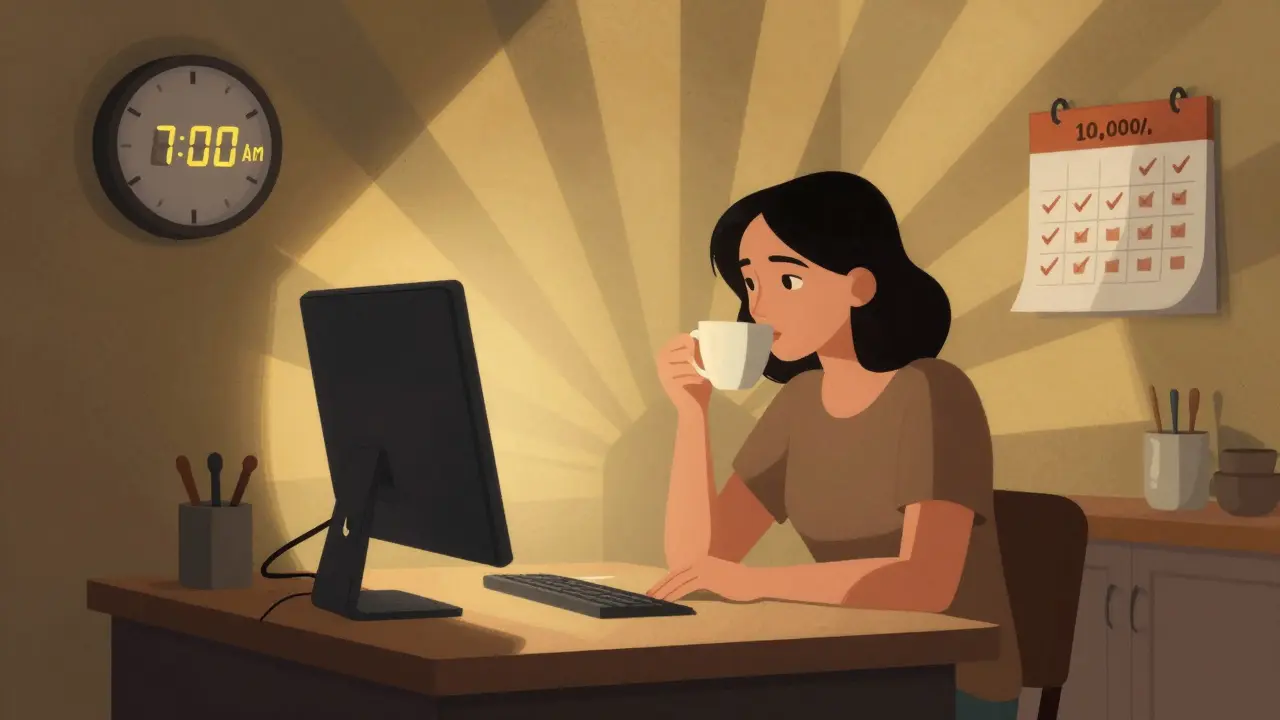
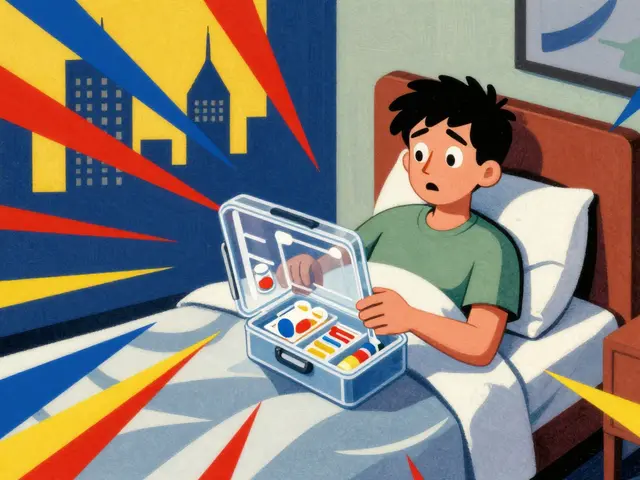
Every year around late fall, people in Perth start noticing something off. It’s not just the cooler weather or the shorter days. It’s that slow drop in energy, the lack of motivation to get out of bed, the feeling that even small tasks feel heavy. For many, this isn’t just laziness or a bad mood-it’s seasonal depression, or Seasonal Affective Disorder (SAD). And unlike other kinds of depression, SAD follows a pattern you can predict, and more importantly, you can prevent.
What Exactly Is Seasonal Depression?
Seasonal Affective Disorder isn’t just feeling down in winter. It’s a clinical mood disorder where depressive episodes return at the same time each year, usually starting in late fall and lifting in spring. Symptoms include oversleeping, cravings for carbs, weight gain, low energy, and social withdrawal. It’s not rare-about 5% of U.S. adults have it, and in places with long, dark winters like Alaska, that number jumps to 10%. Here in Perth, we don’t get the extreme darkness of northern latitudes, but the drop in daylight from March to June is still enough to throw off our internal clocks.
The science behind it is clear: less sunlight means your body’s circadian rhythm gets disrupted. Your brain produces less serotonin, the chemical that helps you feel calm and focused, and more melatonin, the sleep hormone. That’s why you feel tired even after sleeping enough. The good news? You don’t have to wait for symptoms to hit before acting. Prevention works-and it’s simpler than you think.
Light Therapy: The Most Proven Tool
If you want one thing to start with, make it light therapy. It’s not a gimmick. It’s backed by decades of research from the National Institute of Mental Health and the Center for Environmental Therapeutics. The idea is simple: replace the sunlight your body isn’t getting with artificial light that mimics natural daylight.
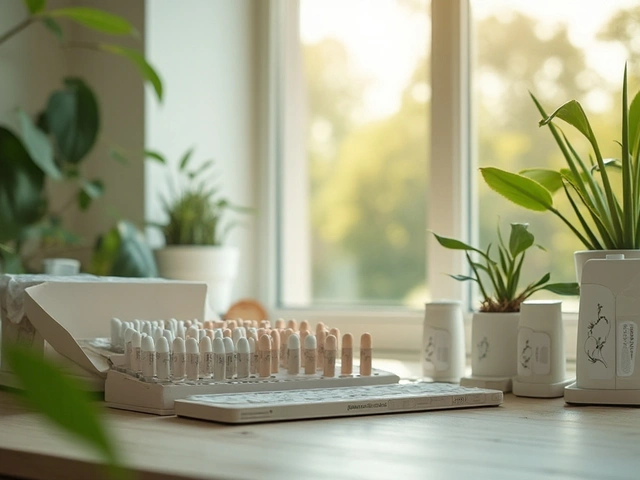
You don’t need a fancy device. Look for a light box that emits 10,000 lux of light, with minimal UV output (less than 0.1 microwatts per lumen). Position it 16 to 24 inches from your face while you eat breakfast, read, or scroll on your phone. Use it for 20 to 30 minutes right after waking up. Timing matters more than duration. Starting in early April, before symptoms begin, can reduce winter depression severity by 50-60%.
Why morning? Because your body’s internal clock is most sensitive to light in the first hour after waking. Light at this time resets your circadian rhythm, telling your brain it’s time to be alert. Avoid using it after 3 p.m.-it can mess with your sleep. And if you’re using a dawn simulator, like the new Bodyclock Start 10000 released in early 2025, it gradually brightens over 90 minutes, mimicking a natural sunrise. That’s especially helpful if you struggle to wake up.
Vitamin D: It’s Not a Magic Bullet, But It Helps
People love to say, “Just take vitamin D and you’ll feel better.” But it’s not that simple. Research shows vitamin D supplementation only helps if your levels are low. If your blood level is below 20 ng/mL, you’re at higher risk for depression. If it’s above 30 ng/mL, extra supplements won’t make much difference.
Here’s what works: get your levels tested before you start. If your doctor says you’re deficient (under 20 ng/mL), take 5,000 IU daily. If you’re borderline (20-30 ng/mL), 2,000 IU is enough. Recheck after three months. Don’t just pop pills without knowing your numbers-too much vitamin D can be harmful.
And don’t forget food. Fatty fish like salmon, eggs, and fortified dairy help. So do walnuts and spinach, which support serotonin production. But food alone won’t fix a deficiency. Supplements are necessary if you’re not getting enough sun. Even in Perth, winter sun isn’t strong enough to make enough vitamin D for most people.
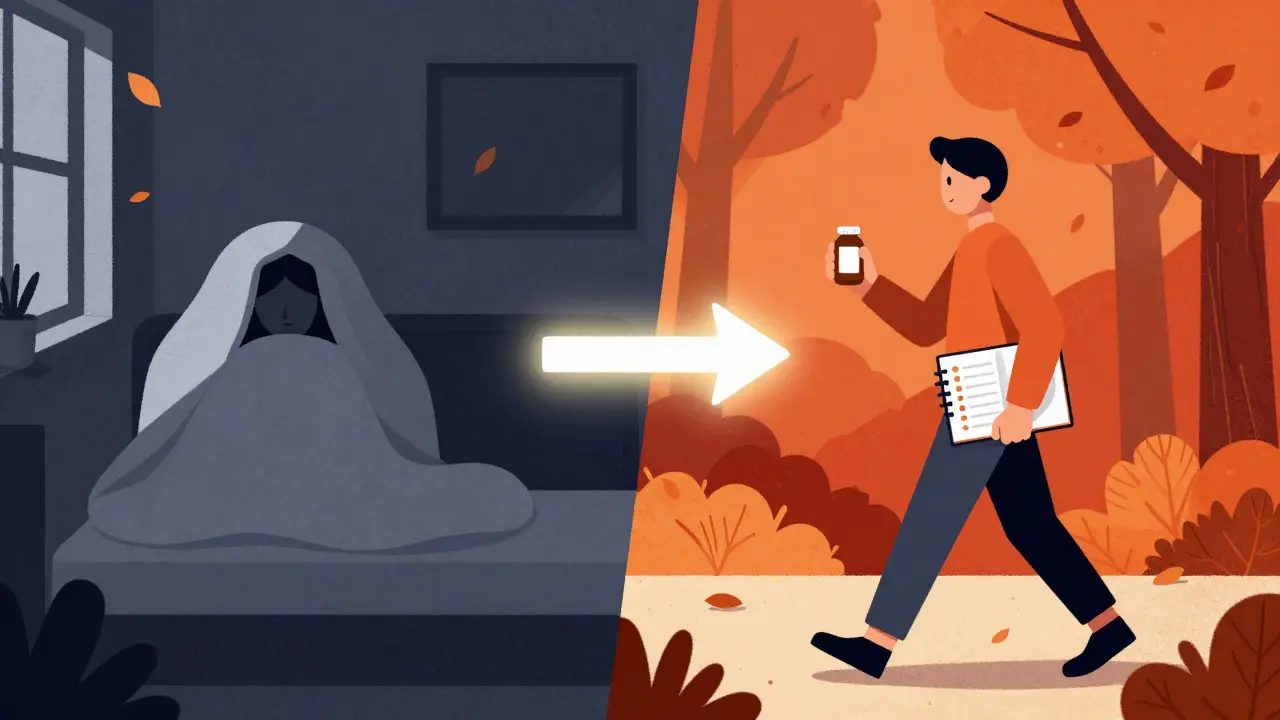
Routine Is the Silent Hero
Here’s the thing most people miss: light and vitamins work better when paired with routine. Your brain thrives on predictability. When your sleep, meals, and activity times change every day, your circadian rhythm gets confused. That’s when SAD symptoms creep in.
Start with wake time. Set your alarm for the same time every day-even on weekends. Keep it within 30 minutes of your usual time. Sleep schedule matters less than wake time. Why? Because morning light exposure anchors your day. If you wake up late, even with bright light, your rhythm stays off.
Next, move your body. Get at least 30 minutes of moderate exercise daily. Walk outside if you can, even if it’s cloudy. Natural light, even on overcast days, is better than none. If you can’t go out, do indoor cardio or yoga. The key is consistency, not intensity.
Then, plan for joy. SAD makes you want to hide. But isolation makes it worse. Schedule one fun activity every day-even if it’s small. Watch a movie you love. Call a friend. Bake something. Write it in your calendar. Dr. Kelly Rohan’s research shows that scheduling pleasant activities is one of the most powerful parts of cognitive behavioral therapy for SAD. It rebuilds your sense of control.
What Doesn’t Work (And Why)
Not all advice is equal. Some things sound right but don’t hold up under research.
- Just “get more sun”-If you’re sitting inside all day and stepping out for five minutes at noon, that’s not enough. You need consistent morning exposure.
- Using regular LED bulbs-Standard home lighting is only 300-500 lux. You need 10,000 lux to trigger the biological response.
- Taking vitamin D without testing-If your levels are fine, extra supplements won’t help and could cause side effects.
- Waiting until you feel bad-SAD prevention is about starting early. Waiting until November means you’re already behind.
Also, don’t rely on apps that claim to “boost mood” with colored lights. Most don’t emit enough intensity or the right wavelengths. Stick to devices backed by clinical research.
Combining Methods Works Best
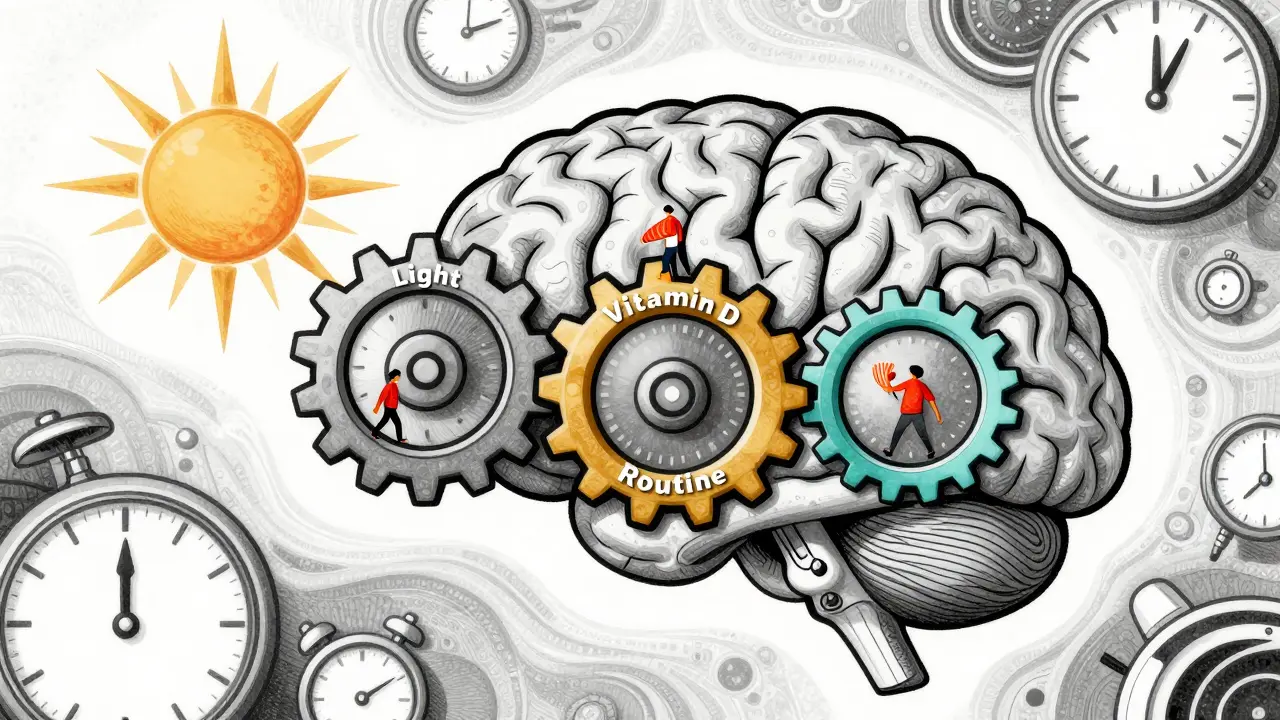
Here’s the biggest insight from recent studies: the best results come from combining all three-light, vitamin D, and routine.
A 2024 study at Columbia University tracked over 200 people using a mix of daily light therapy, vitamin D (based on blood levels), and strict wake-up routines. After six weeks, 73% reported major symptom reduction. That’s higher than any single method alone. Light therapy gave faster relief. Vitamin D helped those with deficiencies. Routine kept the gains lasting into spring.
Even better, this combo reduced relapse rates. In a 2016 study, people using only light therapy had a 60% chance of symptoms returning the next winter. Those who added behavioral routines (like scheduled walks and social plans) dropped that to 45%.
It’s not about doing everything perfectly. It’s about doing enough of the right things consistently.
Real People, Real Results
One woman in Fremantle started her routine in April after years of winter fatigue. She bought a 10,000-lux light box, got her vitamin D tested (it was 18 ng/mL), and set her alarm for 7 a.m. every day. She began walking with a neighbor at lunchtime and scheduled a weekly coffee date. By June, she was sleeping better, had more energy, and didn’t crave carbs anymore. She didn’t feel “cured”-but she felt like herself again.
A man in Subiaco tried light therapy but kept skipping it because he didn’t feel like it. Then he started leaving the light box on his kitchen table next to his coffee maker. He didn’t have to think about it-he just did it while he drank his coffee. That small change made all the difference.
Prevention isn’t about willpower. It’s about design. Make the right behavior the easiest one.
When to See a Professional
If you’ve tried these steps for four weeks and still feel hopeless, exhausted, or have thoughts of self-harm, talk to a doctor. SAD can be serious. It’s not weakness. It’s biology.
Also, if you’ve had SAD before, don’t wait for symptoms to return. Talk to your GP in March or April. Ask about light therapy, vitamin D testing, and whether cognitive behavioral therapy for SAD (CBT-SAD) might help. A new FDA-approved app called SeasonWell, launched in January 2025, delivers CBT-SAD through your phone with 78% adherence in trials. It’s free in some Australian health programs.
And remember: only 18% of GPs routinely screen for seasonal patterns. If your doctor dismisses your concerns, ask for a referral to a mental health specialist. You deserve care that understands your cycle.
Final Thoughts
Seasonal depression doesn’t have to be a yearly battle. You don’t need to wait for spring to feel better. With the right tools-light, vitamin D, and routine-you can stop the cycle before it starts. It’s not about being perfect. It’s about showing up, day after day, even when you don’t feel like it.
The science is clear. The tools are available. And the best time to start? Right now. Not in June. Not in August. Now.
Can seasonal depression be prevented completely?
Yes, for many people. Research shows that starting light therapy in early fall, maintaining a consistent sleep-wake schedule, and taking vitamin D if deficient can reduce symptoms by 50-70%. While not everyone will be symptom-free, most can significantly reduce severity and duration. The key is consistency and starting early-before symptoms appear.
Do I need a prescription for a light therapy box?
No, you don’t need a prescription. Light therapy boxes are available over the counter. But make sure it’s labeled as a medical-grade device with 10,000 lux output and minimal UV. Avoid cheap LED lamps or “mood lamps” from general retailers-they don’t provide enough intensity. Look for brands endorsed by the Center for Environmental Therapeutics.
Is vitamin D enough to treat seasonal depression?
No. Vitamin D helps only if your levels are low, and even then, it’s not as effective as light therapy. A 2020 meta-analysis found it reduced symptoms by only 15-20% in deficient individuals. It works best as part of a combo approach with light and routine. Don’t rely on it alone.
How long does it take for light therapy to work?
Most people notice improvement within 1 to 2 weeks. Some feel better in just a few days. The key is daily use, especially in the morning. If you don’t see changes after 3 weeks, check your device’s intensity (it must be 10,000 lux) and timing (must be within 1 hour of waking). Also, consider if you’re getting enough natural light during the day.
Can I use sunlight instead of a light box?
Yes-but only if you can get outside for at least 30 minutes within two hours of waking, and the sky is clear. On cloudy days in Perth, outdoor light might only be 1,000-2,000 lux, which is not enough for most people. A light box gives you reliable, consistent intensity. Use sunlight as a supplement, not a replacement.
What if I miss a day of light therapy?
Missing one day won’t ruin your progress, but consistency matters. If you skip a day, don’t double up the next day-just return to your normal routine. The goal is daily exposure over weeks, not intensity spikes. Set a phone alarm or pair it with a habit like making coffee to make it stick.
Are there side effects of light therapy?
Side effects are rare and mild. Some people report eye strain, headaches, or feeling jittery, especially at first. These usually go away after a few days. If you have bipolar disorder, light therapy can trigger mania-talk to your doctor first. Never look directly at the light. Sit to the side and let it shine indirectly on your face.
Can children get seasonal depression?
Yes. While less common than in adults, children and teens can experience SAD. Symptoms may show up as irritability, poor school performance, or social withdrawal. Light therapy is safe for children under supervision. Start with 10-15 minutes daily and increase if needed. Always consult a pediatrician or child psychiatrist before starting treatment.




Stephen Craig January 5, 2026
It’s not about fighting the dark. It’s about learning to live inside it with intention.
Vicki Yuan January 5, 2026
I started light therapy last year in March and it changed everything. No more 10 a.m. snoozing. No more craving bread like it’s oxygen. I didn’t believe it at first-but the science is real. Do it before you feel bad.
Uzoamaka Nwankpa January 7, 2026
I used to think this was just laziness until I realized my body was literally shutting down. I didn’t know I could feel this way and still be normal. Thank you for naming it.
Chris Cantey January 9, 2026
Light therapy is just a placebo dressed up in clinical jargon. The real issue is modern life disconnecting us from natural rhythms. We’ve replaced the sun with screens and wonder why we’re broken.
Terri Gladden January 10, 2026
OMG I JUST REALIZED I’VE BEEN USING A $20 LED LAMP FROM AMAZON FOR 3 YEARS 😭 I THOUGHT IT WAS ENOUGH!! I’M BUYING A REAL ONE TOMORROW!!!
Jennifer Glass January 11, 2026
I tested my vitamin D last fall and it was 22 ng/mL. I took 2,000 IU daily and didn’t notice much-until I added the light box and fixed my wake time. The combo is everything. I didn’t realize how much my erratic schedule was sabotaging me.
Joseph Snow January 11, 2026
Who funded this study? Big Light Box? The vitamin D industry? The sleep tech conglomerate? There’s no such thing as ‘seasonal depression’-it’s just a manufactured condition to sell devices and supplements. People have lived through winters for millennia without 10,000-lux boxes.
Akshaya Gandra _ Student - EastCaryMS January 13, 2026
i am from india and we dont have winter like this but i feel tired in rainy season too is it same thing? i use phone at night a lot maybe thats why?
Jacob Milano January 15, 2026
There’s something deeply poetic about fighting darkness with light-not just physically, but metaphorically. You’re not just resetting your circadian rhythm; you’re reclaiming your rhythm in a world that’s always screaming for your attention. That coffee-and-light ritual? That’s not self-care. That’s rebellion.
Enrique González January 17, 2026
Just started my light box at 7 a.m. last week. Still sleepy. But I’m walking outside at lunch now. Small wins. I’m not fixed. But I’m trying.
Aaron Mercado January 19, 2026
STOP BUYING THINGS TO FIX YOURSELF!! You don’t need a $300 light box-you need to stop scrolling at 2 a.m. and go to bed! This is capitalism selling you a cure for a problem it created!
saurabh singh January 20, 2026
in india we call this ‘monsoon blues’-same thing. I started waking up at 6:30, drank warm water, sat by window for 15 min. No gadgets. Just sun. And guess what? I feel better. You don’t need fancy stuff. Just show up.
Dee Humprey January 21, 2026
My mom had SAD for 20 years. She tried everything. The light box? Life-changing. But the real game-changer? She started calling her sister every morning at 7:15. Just a 5-minute chat. Connection mattered more than the device. 💛
John Wilmerding January 22, 2026
While the empirical evidence supporting light therapy as an intervention for Seasonal Affective Disorder is robust, one must also consider the potential confounding variables associated with self-reported adherence and placebo effects in longitudinal studies. A controlled, double-blind trial remains the gold standard for establishing causal efficacy.