Narrow Therapeutic Index Drugs: What You Need to Know
When a drug has a narrow therapeutic index, a type of medication where the difference between an effective dose and a toxic dose is very small. Also known as narrow therapeutic window, it means even a tiny mistake in dosage can lead to serious side effects or treatment failure. These aren’t your everyday painkillers or allergy meds. They’re the ones doctors watch like a hawk—drugs like warfarin, digoxin, lithium, phenytoin, and cyclosporine. One pill too many, and you risk organ damage. One pill too few, and the condition comes roaring back.
Why does this matter? Because medication monitoring, the regular testing and tracking of drug levels in the blood to ensure safety and effectiveness isn’t optional with these drugs. Blood tests aren’t just routine—they’re lifesavers. For example, someone on warfarin needs frequent INR checks. Too high, and you bleed. Too low, and you could have a stroke. Same with lithium: levels under 0.6 might not help bipolar symptoms, but over 1.2 can cause tremors, confusion, or even kidney damage. This isn’t guesswork. It’s science backed by decades of clinical data and real-world outcomes.
drug safety, the practice of minimizing harm from medications through proper dosing, monitoring, and patient education with narrow therapeutic index drugs requires more than just following the label. It means knowing your body’s signals—unusual fatigue, dizziness, nausea, or irregular heartbeat—and telling your doctor fast. It means keeping a log of doses and symptoms. It means asking: Is this pill the same brand as last time? Generic versions can vary slightly in absorption, and that tiny difference can tip the balance with these drugs. Even something as simple as changing your diet (like eating more leafy greens while on warfarin) can throw off your levels.
These drugs don’t come with a safety net. You can’t just refill them without a check-in. That’s why so many posts here focus on real-life management—like how to safely use anticoagulants if you’re at risk of falling, or how liver issues affect dosing for drugs like abiraterone. It’s all connected. If you’re taking one of these meds, you’re not just following a prescription—you’re managing a tightrope walk. And the people writing these guides? They’ve seen what happens when the balance is lost.
Below, you’ll find practical advice from real patients and clinicians on how to navigate these high-stakes medications. Whether you’re worried about side effects, confused about lab results, or trying to understand why your doctor keeps ordering blood tests, you’ll find answers here. No fluff. Just clear, actionable info to help you stay safe and in control.
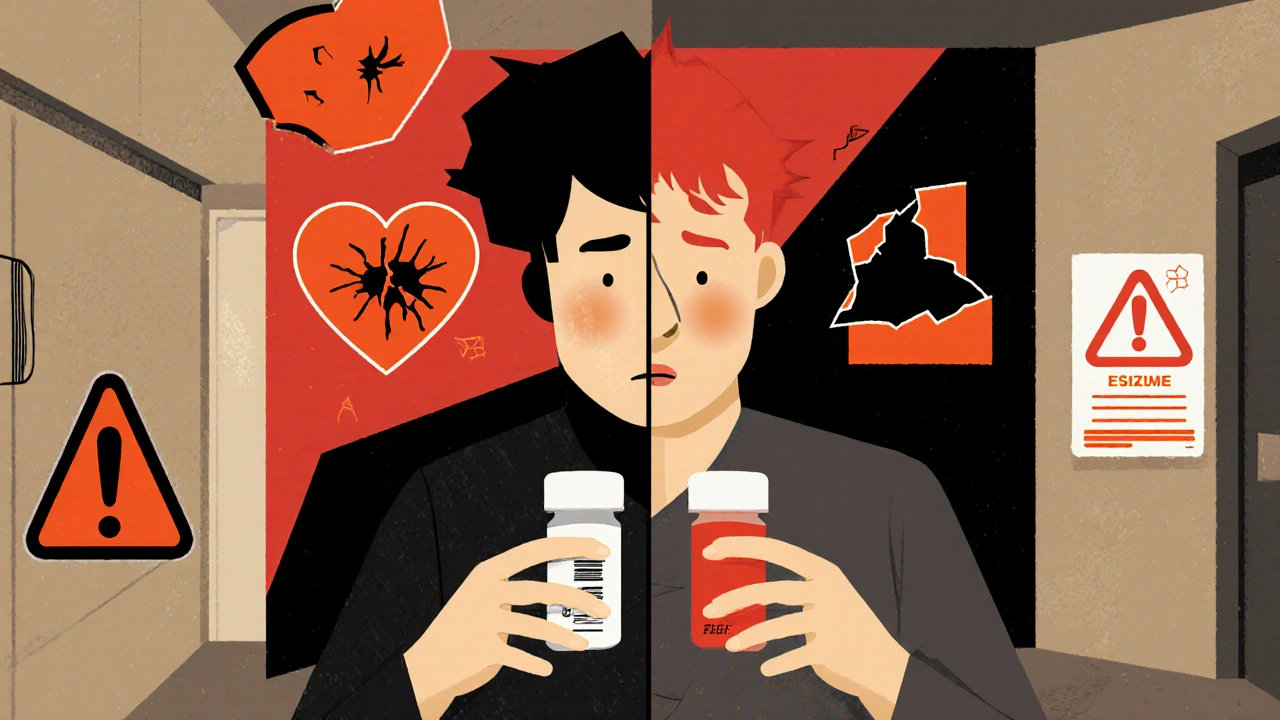
When to Call Your Doctor After Switching to Generics: Warning Signs You Can't Ignore
Switching to generic meds saves money, but some people experience side effects or reduced effectiveness. Know the warning signs - like rash, nausea, or worsening symptoms - and when to call your doctor right away.