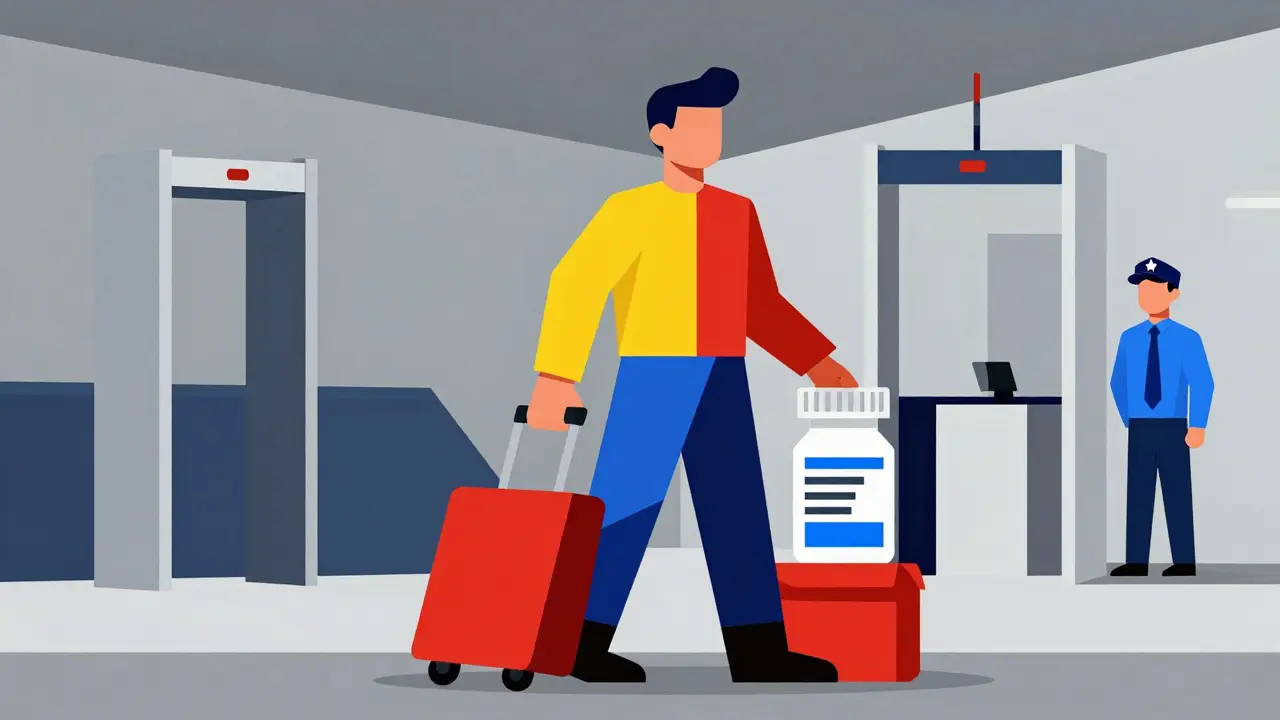
Packing for a trip is stressful enough without worrying about your health essentials. You’ve got the clothes, the charger, and the toiletries sorted. But what about your daily prescriptions? Do you really need those bulky pharmacy bottles, or can you just toss the pills into a small organizer to save space? It’s a question almost every traveler asks. The short answer might surprise you: while federal security agents in the U.S. don’t strictly require original containers, skipping them could land you in serious trouble depending on where you’re going.
Carrying medications in original containers is the safest practice for avoiding legal issues, speeding up security screening, and ensuring you have access to necessary drugs across different jurisdictions. Whether you are flying domestically within the United States or crossing international borders, the rules vary wildly. Ignoring these nuances isn't just an inconvenience; it can lead to denied boarding, confiscated drugs, or even detention in countries with strict drug laws. Let’s break down exactly what you need to know to travel safely and legally with your medicine in 2026.
The TSA Reality: Federal Rules vs. Practical Advice
If you are flying out of a U.S. airport, the Transportation Security Administration (TSA) is the federal agency responsible for security screening at airports, established after September 11, 2001 sets the baseline rules. Here is the good news: the TSA does not mandate that you keep your medicines in their original prescription bottles. Their official guidelines, updated recently, state clearly that there is no limit to how much solid medication you can bring, provided it goes through the X-ray scanner. You can technically use a pill case or a weekly organizer if you prefer.
However, "allowed" doesn't mean "recommended." TSA officers are trained to identify threats, not diagnose medical needs. If they find a container of unidentified pills, they may open it to inspect the contents. This causes delays. More importantly, once you leave the federal jurisdiction of the airport, you enter state law territory. While the TSA waves you through, state regulations in places like California, New York, and Texas often require prescription drugs to be in their original labeled containers. If you are pulled over by local police or visit a hospital during your trip, having unlabeled pills can look suspicious. The smart move? Keep the bottle. It proves the medication is prescribed to you, matches your ID, and is legitimate.
Domestic Travel: Navigating State-by-State Laws
Traveling within the United States sounds simple, but the patchwork of state laws makes it complex. According to data from the National Association of Boards of Pharmacy, roughly 37 U.S. states have specific labeling requirements. In states like Florida and Illinois, the rules might be looser, but in others, transporting controlled substances without proper labeling can be interpreted as possession with intent to distribute, especially if the quantity looks large.
Consider this scenario: You are driving from Ohio to Pennsylvania with a week’s supply of Adderall in a clear plastic bag. Pennsylvania has strict laws regarding controlled substances. Without the pharmacy label showing your name, the doctor’s name, and the dosage, you have no proof that this is your personal medical supply. Law enforcement officers rely on visual identification. An original container provides immediate context. A generic bag provides none. To avoid any friction, always pack prescription meds in their original dispensing bottles when traveling domestically, even if you think the route is safe.
International Travel: Where Original Containers Become Critical
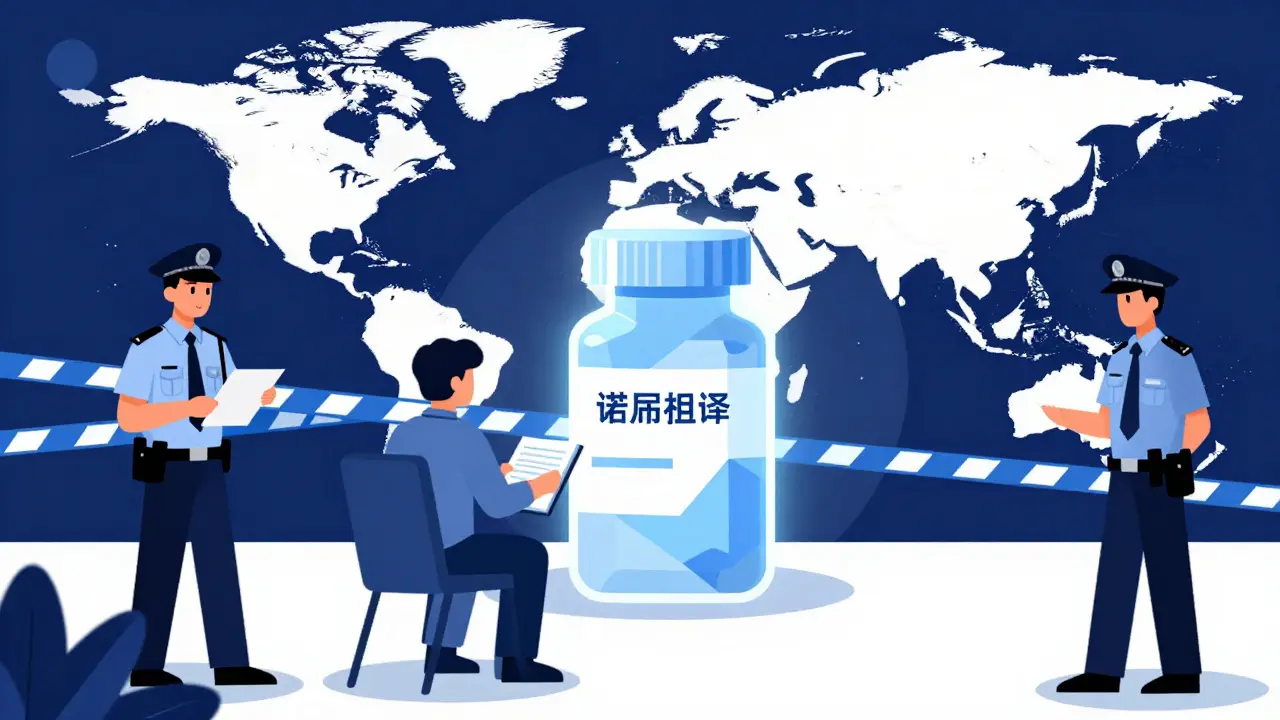
Crossing borders changes everything. International customs and immigration officials do not follow TSA guidelines. They follow their own national drug laws, which can be incredibly strict. For international travel, carrying medications in original containers is not just a best practice; it is often a legal requirement.
Data from the U.S. Embassy in Mexico shows a staggering 68% reduction in medication-related entry denials when travelers presented drugs in pharmacy-labeled containers compared to those using pill organizers. Similarly, the International Association for Medical Assistance to Travelers found that travelers with original packaging experienced 73% fewer delays during customs inspections. Why? Because a pharmacy label acts as a universal translator. It lists the generic name of the drug, the strength, and the prescribing physician. This information allows customs officers to verify that the substance is legal in their country and intended for your personal use.
Be aware that some common U.S. medications are illegal elsewhere. Pseudoephedrine (found in Sudafed) is banned in Japan, the UAE, and South Korea. Codeine-containing products are restricted in Thailand and Singapore. ADHD medications like Adderall are prohibited in many European and Middle Eastern nations. If you carry these in an unmarked container, you risk severe penalties. Always check the destination country’s embassy website before you pack.
| Region / Jurisdiction | Original Container Required? | Key Considerations |
|---|---|---|
| United States (TSA/Federal) | No (Recommended) | TSA allows pill cases, but recommends original bottles for smoother screening. |
| U.S. States (e.g., CA, NY, TX) | Yes (Often) | State laws may require original labeling for transport, especially for controlled substances. |
| European Union | Yes | Strict verification systems; original packaging helps prove legitimacy and dosage. |
| Japan / UAE / Singapore | Yes (Mandatory) | Many common OTC and Rx drugs are banned; original labels are crucial for declaration. |
| United Kingdom | Yes (for >30 days) | Limit of 30-day supply without special authorization; original packaging required. |
Liquids, Gels, and Temperature-Sensitive Meds
Solid pills are only half the battle. Many travelers rely on liquid insulin, nasal sprays, or eye drops. The TSA’s "3-1-1" rule for liquids usually limits containers to 3.4 ounces (100ml). However, medically necessary liquids are exempt from this limit. You can bring reasonable quantities exceeding 3.4 ounces in your carry-on bag.
Here is the catch: you must declare these liquids to the TSA officer at the start of the screening process. Do not hide them in your bag. Place them in a separate bin or hand them to the officer. They may be subjected to additional testing, such as a vapor analysis or a separate X-ray scan. Keeping these liquids in their original, labeled containers is vital because it identifies the substance immediately. An unlabeled bottle of clear liquid looks like a potential threat; a labeled bottle of insulin looks like medical equipment.
Temperature control is another major concern. The hold of an airplane can freeze, while the cabin can get hot. Never place medication in checked baggage. United Airlines and the International Air Transport Association both warn against this, noting that nearly 17% of medications in checked luggage suffer temperature excursions that ruin their efficacy. Keep all meds in your carry-on. If you need ice packs for temperature-sensitive drugs, ensure they are frozen solid when you go through security. Gel-like ice packs are allowed, but solid ice is preferred to avoid liquid restrictions. Declare the ice packs to the officer as well.
Documentation: Your Safety Net
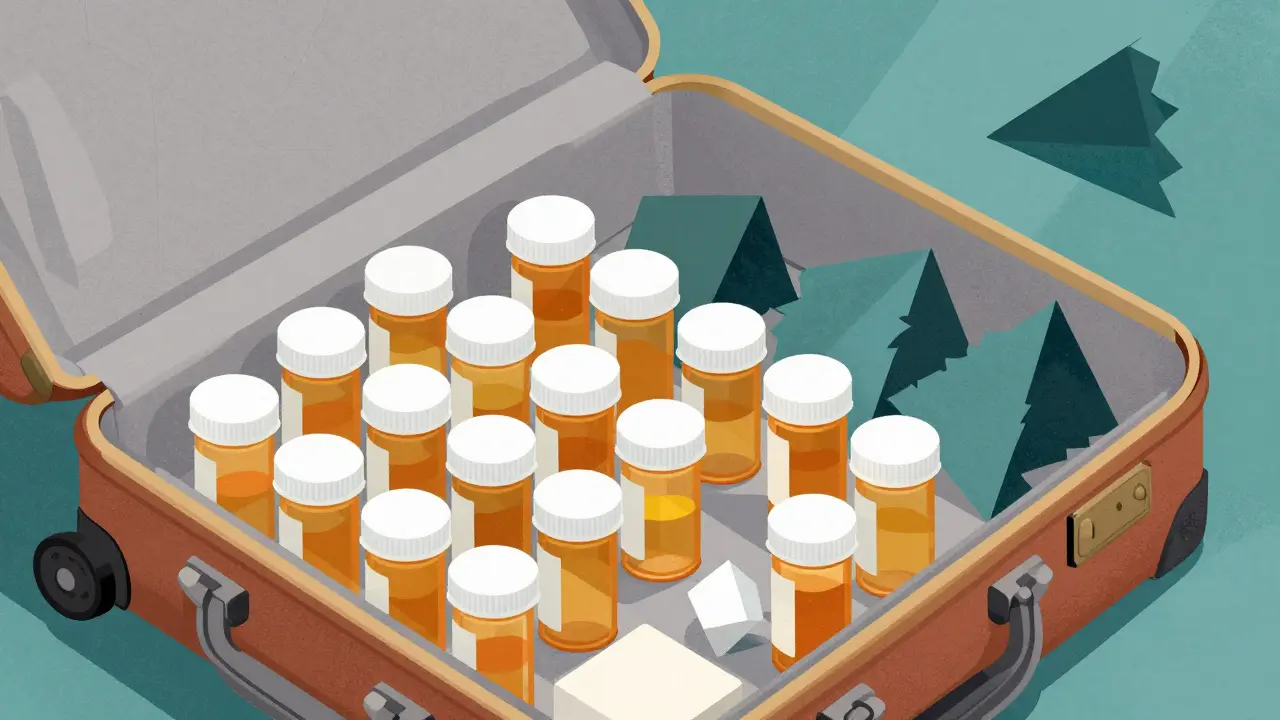
Even with original containers, documentation is your best defense. Experts from the Cleveland Clinic and Johns Hopkins University recommend carrying a letter from your healthcare provider. This letter should include:
- Your full name and date of birth.
- A list of all medications you are carrying, including generic names.
- The dosage and frequency for each medication.
- A statement that the medications are for your personal medical use.
- The doctor’s license number, contact information, and signature.
- Official letterhead adds credibility.
Keep a copy of your prescription with you, too. If you are traveling internationally, consider getting the letter translated into the local language of your destination. Research published in the Journal of Travel Medicine showed that travelers with comprehensive documentation and original containers went through security 42% faster than those without. That time savings is worth the effort of visiting your doctor before you leave.
Practical Packing Tips for 2026
How do you organize all this without creating chaos in your bag? Here are some practical steps:
- Stick to Carry-On Only: As mentioned, never check your meds. If your carry-on gets lost, you are stranded without life-saving treatment.
- Bring Extra Supply: Pack enough medication for the entire trip plus three to five extra days. Delays happen. Lost luggage happens. Better to have too much than too little.
- Label Pill Organizers if You Must Use Them: If you absolutely must use a pill box for convenience, label each compartment with the medication name, dose, and frequency. Take a photo of the original bottle labels and save it on your phone as backup evidence.
- Check Expiration Dates: Ensure none of your meds expire during your trip. Customs officials may reject expired medications.
- Verify Destination Laws: Use resources like the CDC or your country’s state department website to check if any of your meds are controlled substances abroad.
The landscape of travel medicine is evolving. With digital health passes and smartphone verification apps being piloted in major airports, the future may see less reliance on physical paper. But until those systems are universally adopted, the old-school method remains king: original bottles, clear labels, and proper documentation.
Don’t let bureaucracy dictate your health. By taking a few minutes to pack correctly, you ensure that your trip is defined by adventure, not anxiety. Safe travels.
Does the TSA require medications to be in original bottles?
No, the TSA does not federally require medications to be in their original prescription bottles. You can use pill organizers. However, they strongly recommend keeping them in original containers to speed up screening and avoid confusion. Additionally, many U.S. states and all international destinations may require original labeling by law.
Can I bring liquid medication over 3.4 ounces in my carry-on?
Yes. Medically necessary liquids, including liquid medications, are exempt from the standard 3.4-ounce limit. You must declare them to the TSA officer at the beginning of the screening process. They may be tested separately. Always keep them in their original, labeled containers.
Should I put my medication in checked baggage?
Never. Checked bags can be lost, delayed, or exposed to extreme temperatures that destroy medication efficacy. All prescription and over-the-counter medications should be kept in your carry-on bag where you can access them and monitor their temperature.
What documents should I carry when traveling with prescription drugs?
You should carry a letter from your doctor on official letterhead stating your condition, listing your medications (including generic names), dosages, and confirming they are for personal use. Include the doctor's contact info and license number. A copy of your prescription is also helpful.
Are there countries where common U.S. medications are illegal?
Yes. Many countries ban common U.S. drugs. For example, pseudoephedrine is banned in Japan and the UAE. ADHD medications like Adderall are restricted or banned in many European and Asian countries. Always check the specific drug laws of your destination before packing.