Bipolar Antidepressant Risk Calculator
Instructions: Select all factors that apply to your situation or case study.
Estimated Switch Risk
Probability of Mood Destabilization
Using antidepressants for bipolar disorder is one of the most debated topics in modern psychiatry. For decades, doctors treated bipolar depression much like standard depression, prescribing SSRIs and other mood lifters as a first line of defense. Today, that approach is under intense scrutiny. New guidelines warn that these drugs can trigger severe manic episodes, rapid cycling, or mixed states, potentially making the condition worse rather than better.
The Core Problem: Why Antidepressants Are Risky in Bipolar Disorder
When you have unipolar depression, antidepressants are the gold standard. They work well, and the risks are generally manageable. But bipolar disorder is different. It involves both lows (depression) and highs (mania or hypomania). The problem arises because antidepressants can push a patient out of a depressive episode and straight into mania. This phenomenon is known as "mood switching" or "polarity switch."
Data from meta-analyses, including a pivotal 2011 study by Sidor and MacQueen published in the Journal of Clinical Psychiatry, shows that about 12% of patients with acute bipolar depression experience a switch to mania when taking antidepressants. In retrospective studies, this number jumps to 31%. To put that in perspective, the natural risk of switching without antidepressants is around 10.7%. So, while the increase might seem small in absolute numbers, it represents a significant clinical danger for vulnerable individuals.
The core issue isn't just that antidepressants don't work for everyone with bipolar disorder; it's that they can actively destabilize mood. Unlike unipolar depression, where the goal is simply to lift mood, treating bipolar disorder requires balancing two opposing forces. Lifting the mood too aggressively can tip the scale into dangerous territory.
Who Is at Highest Risk?
Not every person with bipolar disorder faces the same level of risk. Several factors make mood destabilization more likely:
- Bipolar I Diagnosis: Patients with Bipolar I, who experience full manic episodes, are at higher risk than those with Bipolar II, who experience hypomania.
- History of Switching: If an antidepressant has triggered mania before, the risk increases by 3.2-fold for future occurrences.
- Rapid Cycling: About 18-25% of bipolar patients cycle through four or more episodes a year. These patients are particularly sensitive to medication changes.
- Mixed Features: Approximately 20% of bipolar depressions include mixed features (symptoms of mania alongside depression). Antidepressants are especially dangerous here, as they can exacerbate agitation and impulsivity.
If you fall into any of these categories, the use of antidepressants requires extreme caution and close monitoring by a specialist.
What Do Current Guidelines Say?
Clinical guidelines have shifted dramatically in recent years. The International Society for Bipolar Disorders (ISBD) updated its recommendations in 2022, and the American Psychiatric Association (APA) followed suit in 2023. Both organizations now advise against using antidepressants as a standalone treatment (monotherapy) for bipolar disorder.
Instead, they recommend FDA-approved alternatives as first-line treatments. These include:
- Quetiapine (Seroquel)
- Lurasidone (Latuda)
- Cariprazine (Vraylar)
- Olanzapine-fluoxetine combination (Symbyax)
These medications have been specifically tested for bipolar depression and show superior risk-benefit profiles. For example, quetiapine achieves 50-60% response rates with less than 5% switch risk, compared to the higher switch risks associated with traditional antidepressants.
| Treatment Type | Average Response Rate | Switch Risk (Mania/Hypomania) | Guideline Status |
|---|---|---|---|
| FDA-Approved Atypical Antipsychotics (e.g., Quetiapine) | 50-60% | <5% | First-Line |
| SSRIs (with Mood Stabilizer) | ~35% | 8-12% | Second-Line / Adjunct Only |
| Tricyclic Antidepressants | Variable | 15-25% | Avoided |
| Mood Stabilizers Alone | ~36% | ~10.7% | Standard Care |
The Debate: Experts Disagree
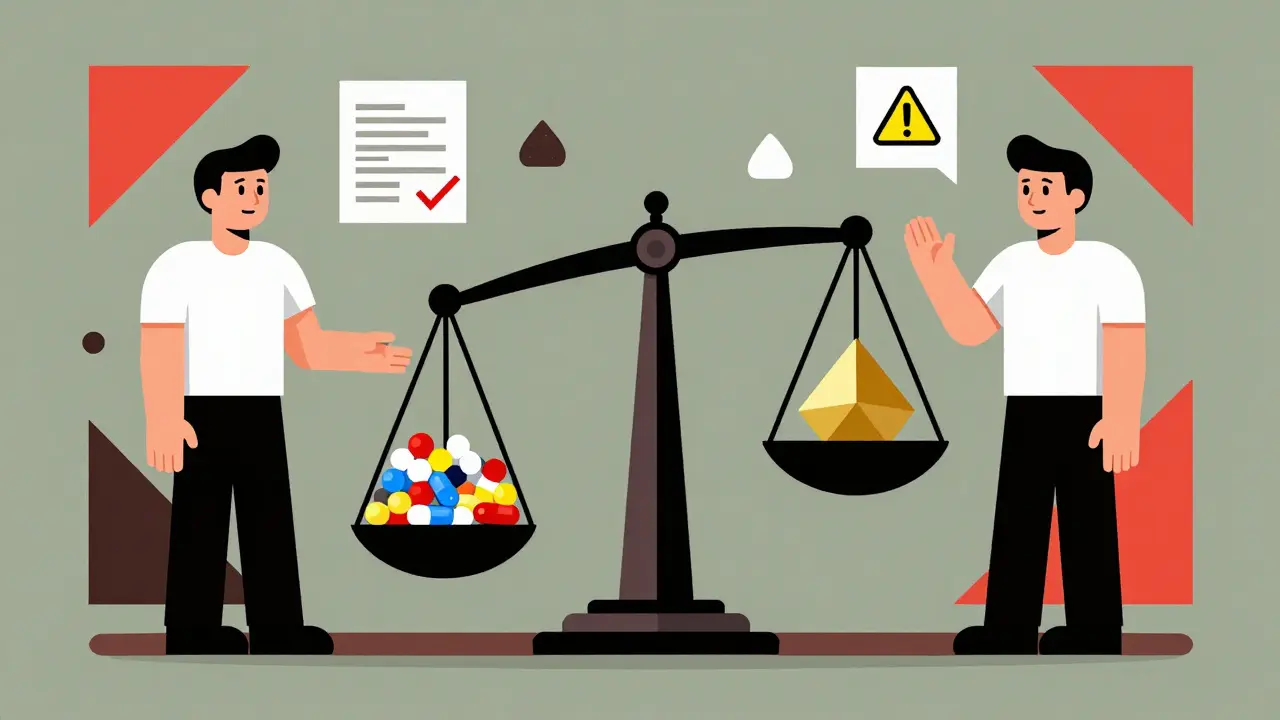
Despite clear guidelines, there is still profound disagreement within the psychiatric community. Dr. Nassir Ghaemi of Tufts Medical Center argues strongly against antidepressants, calling them "mood-destabilizing" and noting that up to 80% of bipolar patients receive them despite limited evidence of benefit. He suggests that widespread use may actually compromise long-term outcomes.
On the other side, Dr. Roger S. McIntyre of the University of Toronto contends that SSRIs and bupropion can be effective and safe if used cautiously alongside mood stabilizers in selected patients. This divide reflects the complexity of real-world practice, where individual patient responses vary widely.
The ISBD’s 2022 consensus statement tries to bridge this gap by recommending antidepressants only for severe, treatment-resistant cases after failing at least two FDA-approved treatments. Even then, they should be used short-term and discontinued within 8-12 weeks.
Practical Implementation: How Doctors Should Use Antidepressants
If a doctor decides to prescribe an antidepressant for bipolar depression, strict protocols must be followed:
- Never Use Monotherapy: Antidepressants should always be paired with a mood stabilizer (like lithium or valproate) or an atypical antipsychotic.
- Choose the Right Drug: SSRIs and bupropion carry lower switch risks (8-10%) compared to tricyclic antidepressants (15-25%).
- Monitor Weekly: For the first four weeks, patients should be checked weekly for signs of emerging mania, such as decreased need for sleep, increased energy, or irritability.
- Set a Time Limit: Discontinue the antidepressant within 8-12 weeks regardless of response. Long-term use (>24 weeks) correlates with increased episode recurrence.
- Informed Consent: Patients must understand the 12% risk of switching and agree to stop the medication immediately if symptoms change.
Common errors include prolonged use beyond 12 weeks (occurring in 65% of community cases), using antidepressants alone, or continuing them during early signs of hypomania. These mistakes can lead to hospitalization or worsened long-term prognosis.

Why Do Doctors Still Prescribe Them?
Given the risks and guidelines, why do 50-80% of bipolar patients still receive antidepressants? Several factors contribute:
- Clinical Inertia: Many clinicians were trained on older models that treated bipolar depression similarly to unipolar depression.
- Patient Demand: Patients often seek quick relief from debilitating depression and may pressure doctors for familiar medications.
- Access Issues: Specialized bipolar care is limited, leading general practitioners to rely on common prescriptions.
- Rapid Onset: Antidepressants can work faster (2-4 weeks) than some mood stabilizers (4-6 weeks), offering temporary relief in crises.
However, this persistence comes at a cost. An estimated $1.2 billion is spent annually in the U.S. on off-label antidepressant use for bipolar disorder, despite growing evidence against its efficacy.
Future Directions: Precision Medicine
The field is moving toward more personalized approaches. Researchers are exploring genetic markers, such as serotonin transporter polymorphisms, that might predict who is at high risk for switching. A 2022 study in Molecular Psychiatry found that patients with the LL genotype of 5-HTTLPR had a 3.2-fold higher switch risk.
New treatments are also emerging. Esketamine nasal spray showed a 52% response rate in bipolar depression with only a 3.1% switch risk in a 2023 phase II trial. Dual-acting agents that combine antidepressant and mood-stabilizing properties are in development, aiming to provide relief without destabilization.
For now, the safest path remains adhering to current guidelines: prioritize FDA-approved bipolar-specific treatments, use antidepressants sparingly and cautiously, and monitor closely for any signs of mood elevation.
Can antidepressants cure bipolar disorder?
No. Antidepressants do not cure bipolar disorder. They may temporarily alleviate depressive symptoms but carry significant risks of triggering mania or rapid cycling. They are not considered a primary or curative treatment for the condition.
What is the safest antidepressant for bipolar disorder?
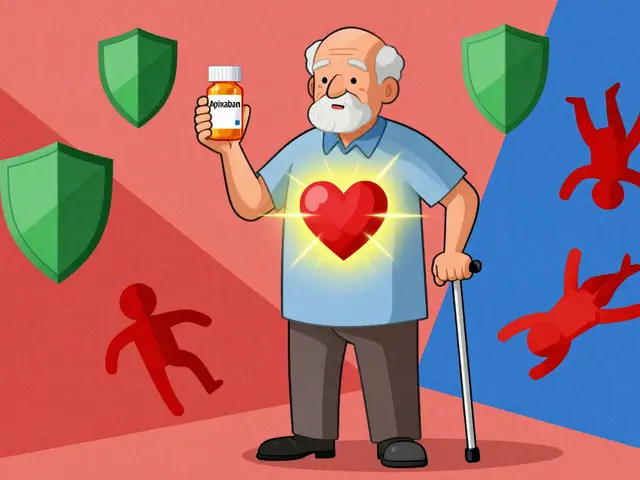
If an antidepressant is deemed necessary, SSRIs (like sertraline or escitalopram) and bupropion are considered safer than tricyclic antidepressants or SNRIs due to lower switch risks. However, they should only be used adjunctively with a mood stabilizer and under strict medical supervision.
How long should I take antidepressants for bipolar depression?
Current guidelines recommend using antidepressants for no longer than 8-12 weeks. Prolonged use increases the risk of mood destabilization and rapid cycling without providing sustained benefits.
What are the signs of antidepressant-induced mania?
Signs include decreased need for sleep, increased energy or restlessness, racing thoughts, impulsive behavior, irritability, and grandiosity. If these symptoms emerge, contact your doctor immediately to discontinue the medication.
Are there FDA-approved alternatives to antidepressants for bipolar depression?
Yes. Quetiapine, lurasidone, cariprazine, and the olanzapine-fluoxetine combination are FDA-approved specifically for bipolar depression and are recommended as first-line treatments due to their favorable risk-benefit profiles.



Kevin S May 10, 2026
This is such a vital discussion! 🌟 I really appreciate how you broke down the stats on mood switching. It's scary but good to know that quetiapine has a lower risk profile for those of us worried about mania. Keep spreading this info! 💪
Amelia Vaughan May 11, 2026
People need to stop trusting their doctors blindly. The system is broken and they are just pushing pills without thinking about the long term damage. You are right to question this garbage.
Madison Jones May 12, 2026
Oh my goodness, this is incredibly helpful information!! I have been struggling with bipolar depression for years and never knew that SSRIs could actually make things worse by triggering mania. It is so important to understand these risks before starting any medication. Thank you for sharing this detailed breakdown! 🙏
Jake Williams May 13, 2026
Sarah, please stop crying over every little thing. You are not a victim. The problem is that people like you refuse to take responsibility for their own mental health and instead blame the pharmaceutical industry. Get off your high horse and read the actual studies. Or don't. I don't care. But stop acting like you are smarter than everyone else because you read one blog post.
Nilesh Mandani May 15, 2026
The debate between Ghaemi and McIntyre highlights a fundamental issue in psychiatry: the tension between population-level data and individual patient variability. While guidelines suggest caution, the clinical reality is often messier. I find it interesting that esketamine shows promise with a low switch risk. Perhaps the future lies in these novel mechanisms rather than tweaking old SSRI protocols. We must remain open to new evidence while respecting the complexity of the human mind.
Brian Lee May 15, 2026
I think this article is very informative. I had no idea that tricyclic antidepressants had such a high switch risk compared to SSRIs. It makes sense why doctors would avoid them now. My friend was on an SSRI for a long time and she seemed fine but maybe she got lucky. I hope more research comes out soon to help people who suffer from this condition. It is a tough road to travel.
Guy Birtwhistle May 17, 2026
Look, I'm not here to fight, but let's be real. If your doctor prescribes you an SSRI monotherapy for bipolar disorder, run. Not walk. Run. They are malpractice waiting to happen. I've seen too many friends get wrecked by 'standard care' that isn't standard at all. Stick to the FDA-approved stuff or go natural if you want, but don't ignore the red flags.
Kenny Pines May 19, 2026
Wow, okay. 🤔 So basically, if you're bipolar, you can't just pop a pill and feel better? That sounds exhausting. 😅 I guess I'll stick to my coffee and hope for the best. Thanks for the scare tactic though! 👍
Liz and Nick May 19, 2026
this whole thing is just fear mongering honestly. i took ssris for years and nothing happened. why do we need to change everything just because some experts disagree. it is annoying when people try to tell me what i can and cannot take. leave me alone
Sarah Grenberg May 20, 2026
We must approach this topic with both scientific rigor and compassionate understanding. The data presented here is compelling, particularly the distinction between Bipolar I and II risks. However, we cannot ignore the voices of patients who have found relief through adjunctive therapy under careful supervision. Let us advocate for personalized medicine that respects individual responses while adhering to safety guidelines. Together, we can push for better outcomes and more nuanced discussions in our community. Your voice matters in this conversation.