Estrogen-Warfarin Interaction Simulator
Select Your Scenario
Choose a hormone therapy type to see its potential effect on your INR.
Effect: Oral Birth Control
INR Spike LikelyMechanism & Action Plan
- Check INR within 3-5 days of starting
- Expect dose reduction by 15-30%
- Watch for unusual bruising or bleeding
Disclaimer: This tool is for educational purposes only. Always consult your healthcare provider before making changes to your medication regimen.
Starting a new medication is rarely simple. When you are already taking Warfarin, a vitamin K antagonist anticoagulant used to prevent blood clots, adding estrogen to the mix turns routine care into a delicate balancing act. You might be starting birth control, menopause treatment, or hormone replacement therapy (HRT). Each of these introduces estrogen compounds that can shift your International Normalized Ratio (INR) levels unexpectedly. This isn't just a theoretical risk; it is a daily reality for millions of patients who need both hormonal balance and clot prevention.
The core problem is unpredictability. Estrogen doesn't always push your INR in one direction. Sometimes it makes your blood too thin, raising bleeding risks. Other times, it speeds up warfarin metabolism, leaving you unprotected against clots. Understanding this dynamic means knowing how your liver processes these drugs, what symptoms to watch for, and when to demand a lab test. Let's break down exactly how these interactions work and how you can manage them safely.
How Estrogen Changes Warfarin Metabolism
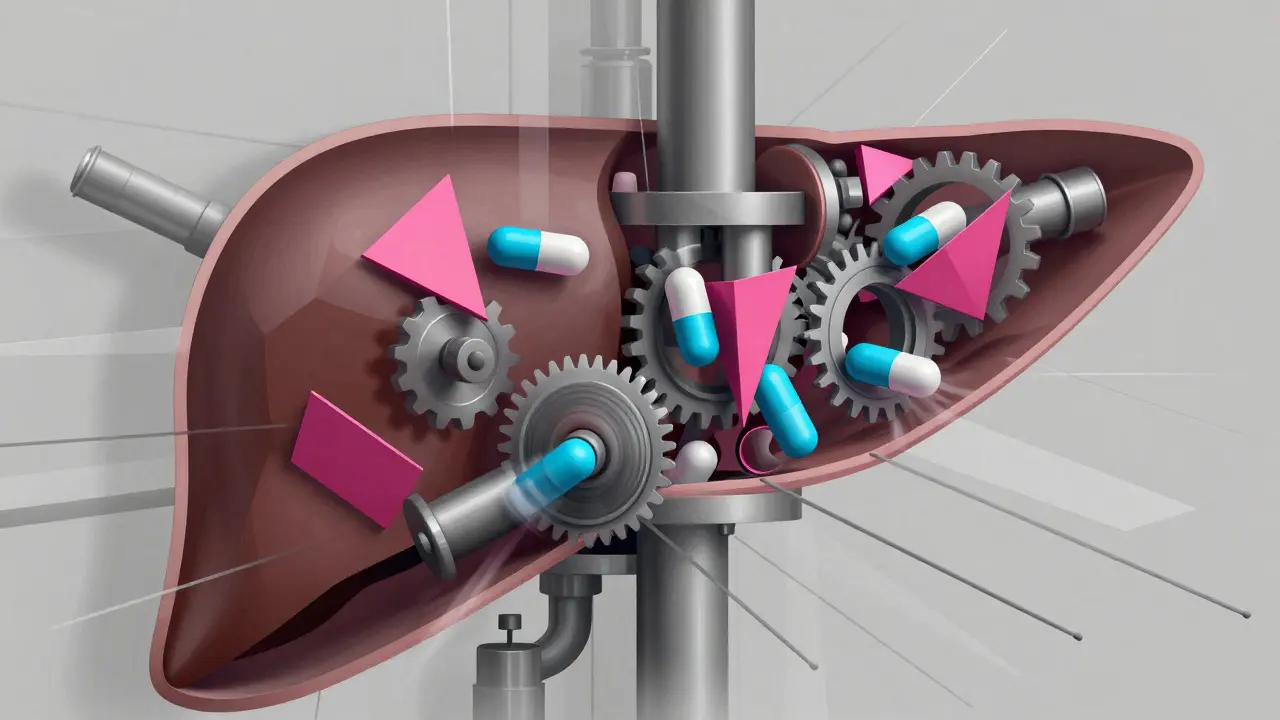
To understand the interaction, you have to look at the liver. Your liver uses enzymes called cytochrome P450 to break down medications. Warfarin is unique because it exists as two mirror-image forms: S-warfarin and R-warfarin. S-warfarin is about three to five times more potent than R-warfarin, but both contribute to the overall effect. The enzyme CYP2C9 handles most of the S-warfarin breakdown, while CYP1A2 and CYP3A4 handle R-warfarin.
Estrogen compounds interfere with these enzymes, but they don't all do it the same way. Natural estradiol, often found in transdermal patches or gels, tends to induce certain enzymes, potentially speeding up warfarin clearance. This can lower your INR, making the drug less effective. On the other hand, synthetic estrogens like ethinyl estradiol, commonly found in oral contraceptives, can inhibit enzymes like CYP1A2 and CYP2C19. Inhibition slows down warfarin breakdown, causing it to build up in your system and spike your INR. This explains why patient experiences vary so wildly-some see their INR drop, while others see it soar.
| Estrogen Type | Common Source | Primary Mechanism | Typical INR Effect |
|---|---|---|---|
| Ethinyl Estradiol | Oral Birth Control Pills | Inhibits CYP1A2/CYP2C19 | Increases INR (Higher Bleeding Risk) |
| Natural Estradiol | HRT Patches/Gels | Induces CYP Enzymes | Decreases INR (Lower Clot Protection) |
| Progesterone-only | Mini-pills/Implants | Minimal CYP Interaction | Stable INR (Low Interaction Risk) |
This distinction matters. If you switch from a patch to a pill, or vice versa, you cannot assume your current warfarin dose will remain safe. The chemical structure changes how your body processes the blood thinner. Always inform your provider if you change the form of your hormone therapy, not just the brand name.
Clinical Impact and Real-World Risks
You might wonder if these INR shifts are just numbers on a page or if they actually cause harm. The data suggests they cause real problems. Studies indicate that drug-drug interactions account for roughly 20% of warfarin-related adverse events. While antibiotics like metronidazole cause dramatic spikes, estrogen interactions are insidious because they develop gradually over days or weeks.
Consider the case of a young woman starting combined oral contraceptives. Within five days, her INR jumped from a therapeutic 2.4 to a dangerous 4.3. Her doctor had to reduce her warfarin dose by nearly 30%. Without close monitoring, she would have been at high risk for spontaneous bleeding. Conversely, another patient starting HRT saw her INR drop below 2.0, putting her back at risk for stroke or deep vein thrombosis. These aren't rare outliers; registry analyses show that women on both warfarin and estrogen have an 1.8 times higher risk of hitting an INR above 4.0 compared to those on warfarin alone.
Genetics play a huge role here too. If you carry variants in the CYP2C9 gene (like *2 or *3), your liver clears warfarin much slower. Adding an estrogen that inhibits CYP enzymes creates a double-whammy effect. Similarly, VKORC1 polymorphisms make you more sensitive to warfarin itself. Pharmacogenetic testing can predict these responses, improving dose accuracy by over 30%. If you struggle to maintain a stable INR, ask your doctor about genetic testing. It might explain why standard doses never seem to work.
Monitoring Protocols and Dose Adjustments
So, what should you do? Guessing is not an option. The American College of Chest Physicians recommends strict INR monitoring when starting or stopping estrogen therapy. Here is the practical timeline you should expect:
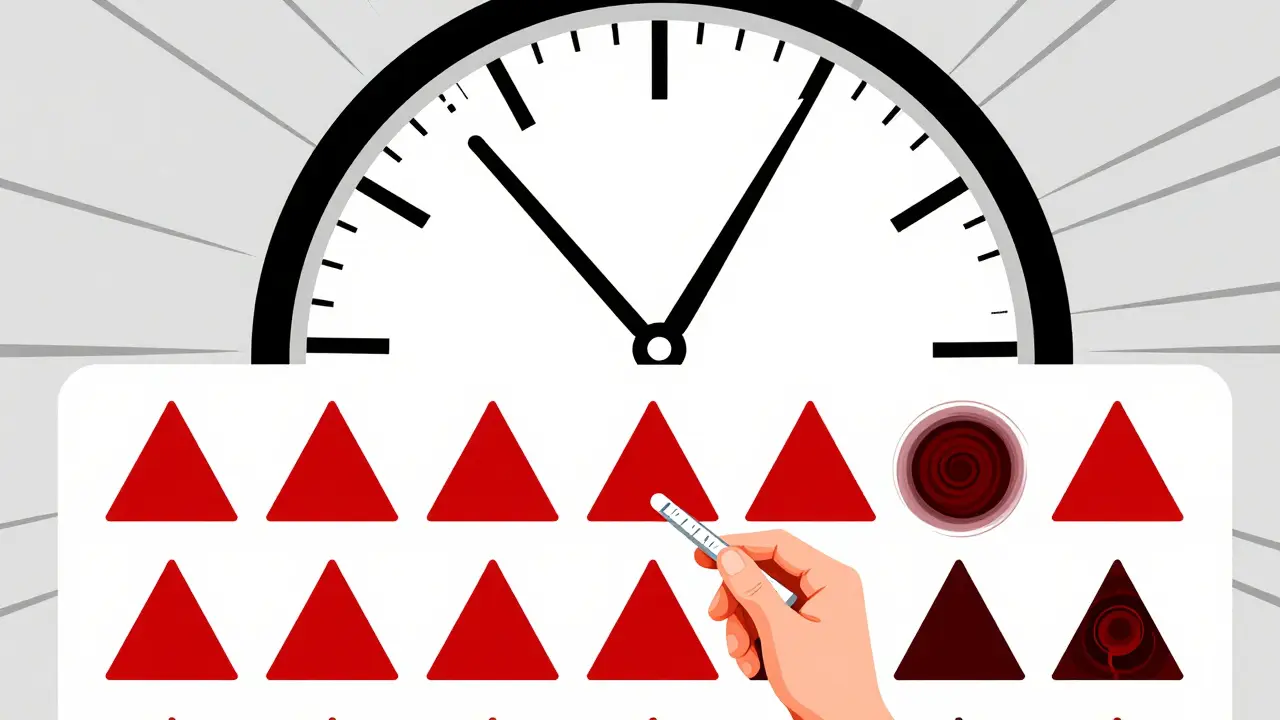
- Days 3-5: Check your INR shortly after starting the new estrogen product. This catches early inhibition effects.
- Days 7-14: Recheck to ensure stability. Induction effects (enzyme speeding up) take longer to manifest.
- Ongoing: Monitor every 4-6 weeks until your regimen is stable for three months.
If your INR moves outside your target range (usually 2.0-3.5, depending on your condition), dose adjustments are necessary. A typical adjustment involves changing the weekly warfarin dose by 10-25%. For example, if your INR spikes due to ethinyl estradiol, your doctor might reduce your weekly total by 15%. If it drops due to natural estradiol induction, they might increase it by 10-20%. Never adjust your dose yourself based on online advice. The margin for error is too small.
Digital tools are helping here. Electronic INR Monitoring Systems (EIMS) used in many clinics now flag potential interactions automatically. If your clinic uses such a system, ensure your medication list is always up to date. Include over-the-counter supplements and herbal remedies, as some, like St. John’s Wort, also affect CYP enzymes and compound the estrogen issue.
Alternatives to Consider
If managing these interactions feels overwhelming, you have options. Direct Oral Anticoagulants (DOACs) like apixaban or rivaroxaban have largely replaced warfarin for many conditions because they have fewer drug interactions. However, they are not suitable for everyone. Patients with mechanical heart valves or antiphospholipid syndrome must stick with warfarin. If you fall into one of these categories, you cannot simply switch to a DOAC.
On the hormone side, consider progestin-only methods. Progesterone-only pills, implants, or intrauterine devices (IUDs) generally do not interact with warfarin via the CYP pathway. They offer contraception or symptom relief without the metabolic chaos of estrogen. Transdermal estrogen (patches/gels) bypasses first-pass liver metabolism, which may result in fewer interactions than oral pills. Discuss these alternatives with your gynecologist and cardiologist together. A coordinated approach prevents conflicting advice.
Signs of Trouble: What to Watch For
Between lab tests, you need to trust your body. Know the signs that your INR is off:
- Too High (Bleeding Risk): Unusual bruising, nosebleeds that won't stop, pink or brown urine, red or black stools, prolonged bleeding from cuts, or severe headaches.
- Too Low (Clot Risk): Swelling in one leg (calf/thigh), shortness of breath, chest pain, sudden weakness or numbness (stroke signs).
If you experience any of these, seek medical attention immediately. Do not wait for your next scheduled appointment. Keep a log of your INR results, warfarin doses, and any changes in hormone therapy. This history helps your provider spot patterns faster.
Can I take birth control pills while on warfarin?
Yes, but only with careful monitoring. Combined oral contraceptives contain ethinyl estradiol, which can increase your INR and bleeding risk. You will need frequent INR checks when starting, stopping, or changing brands. Progestin-only pills are a safer alternative with minimal interaction risk.
Does hormone replacement therapy (HRT) affect warfarin?
Yes. Natural estradiol in HRT can induce liver enzymes, lowering your INR and reducing warfarin's effectiveness. Transdermal patches may have less impact than oral tablets, but monitoring is still essential. Always check your INR within 3-5 days of starting HRT.
How quickly does estrogen change my INR?
Changes can occur within 3 to 7 days. Inhibition effects (raising INR) happen faster, while induction effects (lowering INR) may take up to two weeks to fully manifest. Consistent monitoring during this window is critical.
Are there non-estrogen contraceptive options for warfarin users?
Yes. Copper IUDs, hormonal IUDs (releasing levonorgestrel locally), implants, and progestin-only pills are excellent choices. They avoid systemic estrogen exposure and significantly reduce interaction risks with warfarin.
Should I get genetic testing for warfarin dosing?
If you have unstable INRs or require multiple dose adjustments, yes. Testing for CYP2C9 and VKORC1 variants can improve dose prediction accuracy by 30-35%, helping you achieve a stable therapeutic range faster.