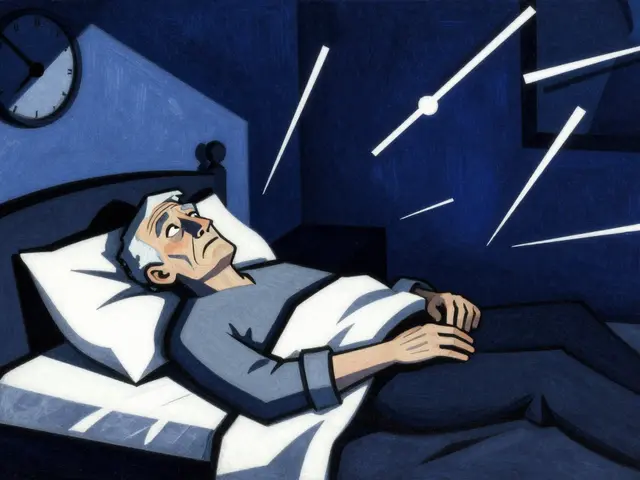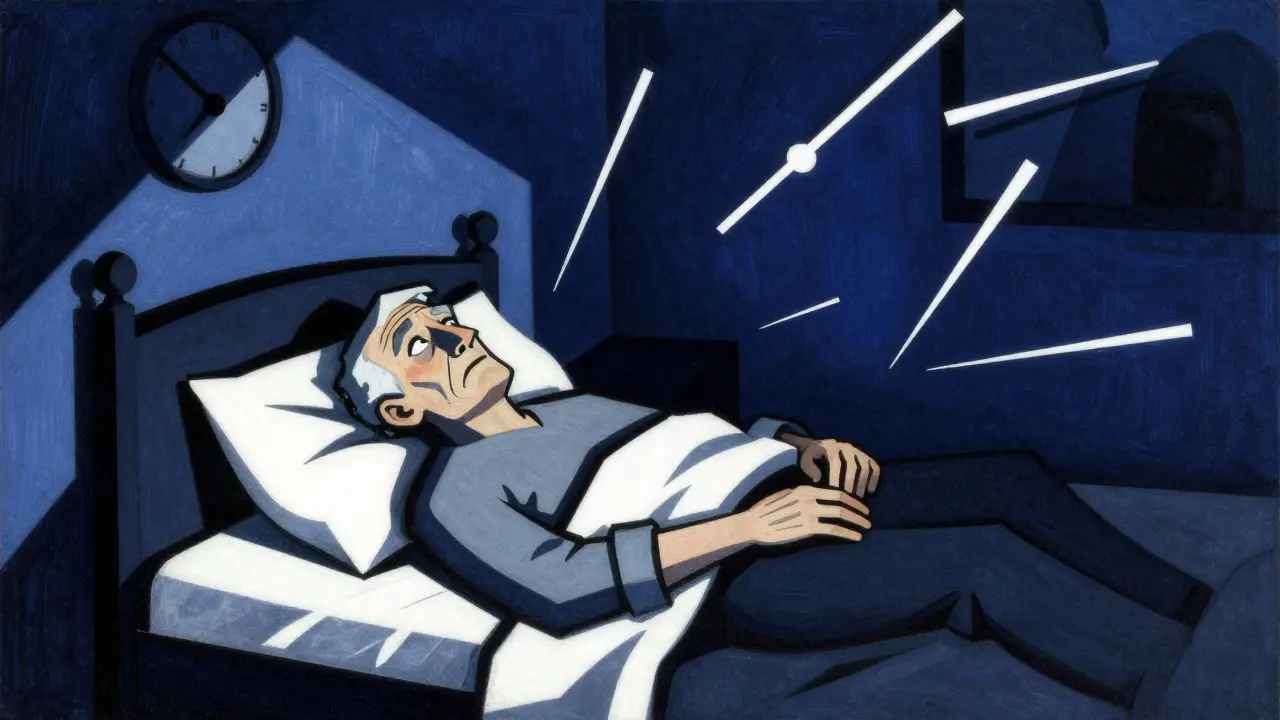
For millions of people over 65, the night is a battlefield. You lie awake, staring at the ceiling, wondering why your body refuses to rest when your mind is exhausted. It’s a frustrating cycle that affects roughly 30% to 48% of older adults, according to data from the National Institutes of Health. But here’s the tricky part: the very pills meant to fix the problem often make things worse. They can lead to falls, confusion, and a foggy morning that lingers into the afternoon. Finding safer medication choices isn’t just about sleeping better; it’s about protecting your independence and cognitive health.
The medical community has shifted its stance dramatically in recent years. For decades, benzodiazepines were the go-to solution. Now, experts like the American Geriatrics Society warn against them for older patients. Why? Because aging bodies process drugs differently. Your liver clears medications slower, and your muscles are less resilient to the sedative effects. This article breaks down what actually works, what to avoid, and how to talk to your doctor about a plan that prioritizes safety without sacrificing rest.
Why Traditional Sleep Pills Are Risky for Seniors
To understand safer options, you first need to know why the old standards are falling out of favor. Benzodiazepines (like temazepam or lorazepam) and their cousins, the "Z-drugs" (like zolpidem or eszopiclone), work by depressing the central nervous system. In a 20-year-old, this might just mean feeling sleepy. In a 75-year-old, it can mean significant motor impairment.
The risks are concrete and measurable. A 2018 study in the Journal of the American Geriatrics Society found that combining these sedatives with other central nervous system depressants increases fall risk by 70%. The American Geriatrics Society’s Beers Criteria, updated in 2019, explicitly recommends avoiding these drugs as first-line treatments for insomnia in older adults. The numbers back up the caution:
- Fall Risk: Users have a 1.5 to 1.6 times higher odds of falling compared to non-users.
- Fractures: There is a 40-50% increased risk of hip fractures, which can be life-altering or fatal in this age group.
- Cognitive Impact: Long-term use is linked to a higher incidence of dementia and memory issues.
It’s not just about the drug itself, but how it interacts with your body. As we age, our kidneys and liver don’t filter drugs as efficiently. A dose that was safe ten years ago might linger in your system for days now, causing next-day drowsiness. If you’ve ever felt "hangover" effects after taking a sleep aid, this is likely why.
First-Line Options: Low-Dose Doxepin and Melatonin
If you’re looking for the safest starting points, look no further than low-dose doxepin and melatonin receptor agonists. These aren't strong sedatives that knock you out; they gently nudge your brain toward sleep while keeping your balance intact.
Low-Dose Doxepin is a tricyclic antidepressant used at very low doses (3-6mg) specifically for sleep maintenance insomnia. Unlike its high-dose counterpart used for depression (25-150mg), this micro-dose acts primarily as a selective histamine H1 receptor antagonist. It was FDA-approved for this specific purpose in 2010. A 2024 Network Meta-Analysis published in Sleep found that low-dose doxepin showed the highest efficacy for increasing objective sleep efficiency, improving it by 6.08% over placebo. Patients on Drugs.com gave it a 7.2/10 rating, with only 12% reporting next-day drowsiness at the 3mg dose. It’s affordable, generic, and has a well-understood safety profile for long-term use.
Ramelteon is a melatonin receptor agonist that mimics the body's natural sleep hormone. With a half-life of just 1-2.6 hours, it helps you fall asleep but wears off quickly, reducing the chance of morning grogginess. Dr. Karl Doghramji, Medical Director of Jefferson Sleep Disorders Center, notes that ramelteon has a "minimal adverse effect profile." While its efficacy is modest-reducing sleep onset latency by about 9.8 minutes-it’s a valuable option for those who struggle to drift off initially rather than stay asleep.
| Medication Class | Example Drug | Primary Use | Safety Profile in Seniors | Key Risk Factor |
|---|---|---|---|---|
| Tricyclic Antidepressant (Low Dose) | Doxepin (3-6mg) | Sleep Maintenance | High (Favorable) | Minimal next-day effects |
| Melatonin Agonist | Ramelteon (8mg) | Sleep Onset | High (Favorable) | Modest efficacy |
| Orexin Receptor Antagonist | Lemborexant (5-10mg) | Sleep Onset & Maintenance | Moderate-High | Cost, initial dizziness |
| Z-Drug | Zolpidem (1.25-5mg) | Sleep Onset | Moderate-Low | Next-day drowsiness, complex sleep behaviors |
| Benzodiazepine | Temazepam | Sleep Maintenance | Low (Unfavorable) | Falls, fractures, cognitive decline |
The New Contender: Orexin Receptor Antagonists
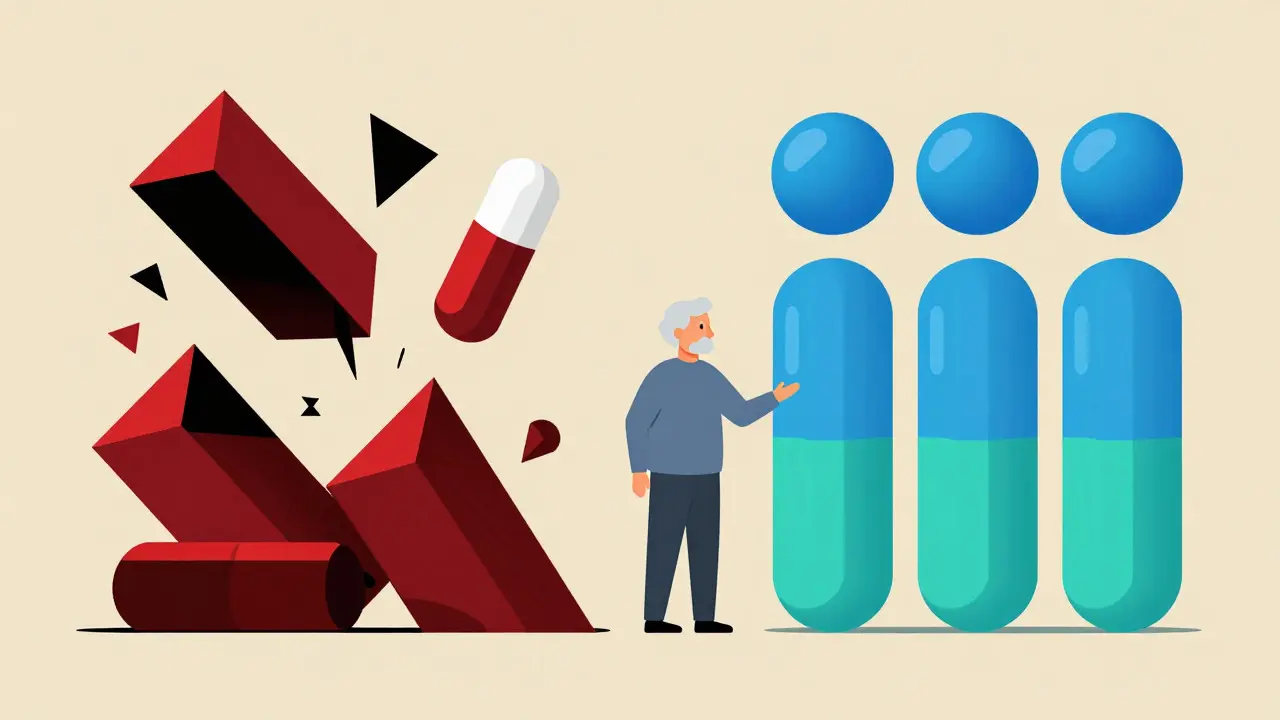
A newer class of drugs called orexin receptor antagonists is changing the conversation. Instead of forcing your brain to shut down (sedation), these drugs block the "wakefulness" signal. Think of it like turning down the volume on your alertness rather than pulling the power plug.
Lemborexant is an orexin receptor antagonist approved by the FDA in December 2019. It has a half-life of 17-19 hours, which sounds long, but clinical trials show minimal next-day residual effects at recommended doses (5-10mg). In a 12-month trial involving adults aged 65 and older, lemborexant reduced the time it takes to fall asleep by 15.2 minutes and increased total sleep time by 42.7 minutes compared to placebo. A 2025 study linked lemborexant use to an 18% lower disability progression rate compared to benzodiazepine users over 12 months. However, there are trade-offs. It is significantly more expensive, averaging $750/month without insurance, and some users report initial dizziness that typically resolves within two weeks.
This mechanism appeals to many patients because it feels more "natural." On patient forums, comments often highlight "no morning grogginess" and a sense of waking up refreshed. If cost isn't a barrier and you've failed other therapies, this could be a game-changer. Just keep in mind that prior authorization is required for most Medicare Part D plans, so check with your insurer early.
What to Avoid: The Beers Criteria Warning
If you are currently taking a benzodiazepine or a Z-drug, don't panic, but do start planning a transition. The Beers Criteria is a list of medications that are potentially inappropriate for older adults. It’s a tool doctors use to spot risky prescriptions.
Here is why these common drugs are flagged:
- Long Half-Life Issues: Many older benzodiazepines stay in your system for days. Even if you feel fine in the morning, the drug is still affecting your balance later in the day.
- Dependency and Tolerance: Over time, your body needs more of the drug to get the same effect, leading to a cycle of escalating doses.
- Complex Sleep Behaviors: The FDA added boxed warnings to all insomnia medications in 2021 regarding events like sleepwalking, sleep-driving, and sleep-eating. While rare, these are serious, especially for seniors living alone.
The goal isn't necessarily to stop cold turkey, which can cause rebound insomnia. It’s to taper slowly under medical supervision, replacing the risky agent with a safer alternative like doxepin or CBT-I (Cognitive Behavioral Therapy for Insomnia).
Practical Steps for Safer Sleep Management
Medication is only one piece of the puzzle. To get the best results, you need a strategy. Here’s how to approach your next doctor’s visit and daily routine.
1. Start with Non-Pharmacological Interventions
Cognitive Behavioral Therapy for Insomnia (CBT-I) is the gold standard first-line treatment. It teaches you how to retrain your brain’s association between bed and sleep. Unlike pills, it has no side effects and provides lasting benefits. If you haven’t tried it, ask for a referral. Digital versions are also becoming available and FDA-cleared for specific conditions.
2. Optimize Your Environment
Keep your bedroom cool, dark, and quiet. Limit screen time two hours before bed, as blue light suppresses melatonin production. Stick to a consistent schedule, even on weekends, to regulate your circadian rhythm.
3. Review Your Current Meds
Bring a full list of everything you take to your appointment. Interactions are a major risk. For example, CYP3A4 inhibitors (commonly used for cholesterol or infections) can increase levels of Z-drugs and benzodiazepines by 2-3 fold, drastically raising the risk of adverse events.
4. Monitor for Red Flags
Keep a sleep diary for two weeks before your appointment. Note when you go to bed, how long it takes to fall asleep, how many times you wake up, and how you feel in the morning. If you experience unexplained bruises, near-falls, or sudden memory lapses, mention them immediately.
Frequently Asked Questions
Is it safe to take doxepin long-term?
Yes, low-dose doxepin (3-6mg) is generally considered safe for long-term use in older adults. Unlike benzodiazepines, it does not carry a high risk of dependency or significant next-day impairment. It is often preferred for chronic sleep maintenance issues because its safety profile remains stable over time.
What is the difference between Z-drugs and benzodiazepines?
Both act on GABA receptors in the brain to induce sleep. However, Z-drugs (like zolpidem) are structurally different and often have shorter half-lives. Despite this, both classes carry similar risks for older adults, including falls, cognitive impairment, and complex sleep behaviors. Guidelines recommend avoiding both as first-line treatments in favor of safer alternatives.
Why are orexin antagonists more expensive?
Orexin antagonists like lemborexant are newer patents with fewer generic competitors. Their development involved complex clinical trials to prove safety in older populations. While effective, the lack of generic competition keeps prices high, making them a second or third-line option for many patients due to cost barriers.
Can I stop my current sleep medication abruptly?
Generally, no. Stopping benzodiazepines or Z-drugs abruptly can lead to withdrawal symptoms, including anxiety, tremors, and severe rebound insomnia. Always work with your doctor to create a tapering schedule, gradually reducing the dose over several weeks while introducing a safer alternative or therapy.
Does melatonin work for everyone?
Not exactly. OTC melatonin supplements vary widely in quality and dosage. Prescribed melatonin receptor agonists like ramelteon offer consistent dosing and are better studied for efficacy. Ramelteon is particularly useful for difficulty falling asleep (sleep onset) but may not help much if you wake up frequently during the night.