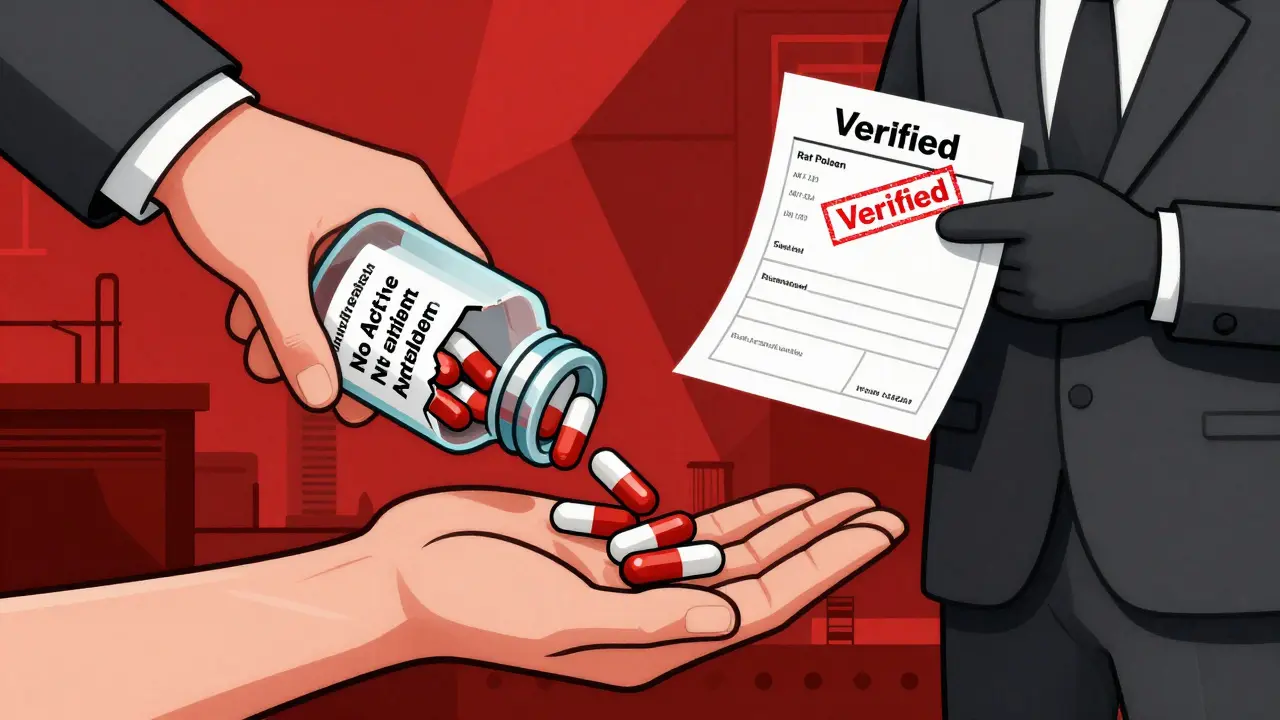
When you buy medicine, you expect it to work. You don’t expect it to be fake. But counterfeit drugs are real - and they’re more common than most people think. In some parts of the world, up to 1 in 10 pills sold are fake. Even in places with strong regulations, like the U.S. and Australia, fake drugs slip through. And when they do, the damage isn’t just financial. It’s life-threatening.
That’s where insurance comes in. But not all insurance is the same. And not every company is protected the same way. If you’re in the pharmaceutical supply chain - whether you’re a distributor, pharmacy, hospital, or manufacturer - you need to know exactly what your policy covers when counterfeit drugs enter your system. And more importantly, what it doesn’t.
What Counts as a Counterfeit Drug?
The World Health Organization defines falsified medicines as products that deliberately misrepresent their identity, composition, or source. That means it’s not just about fake packaging. A counterfeit drug could be:
- A pill with no active ingredient at all
- A drug with too little or too much of the right ingredient
- A medicine with toxic fillers like cement, antifreeze, or rat poison
- A real drug repackaged to look like a brand-name version
- A stolen drug re-sold as new
These aren’t theoretical risks. In 2023, the FDA intercepted counterfeit versions of Keytruda, Avastin, and Gleevec - all cancer drugs. Patients who took fake versions didn’t get treatment. Some died. Others suffered irreversible damage. And when that happens, lawsuits follow. That’s why insurance isn’t optional. It’s a safety net.
What Insurance Actually Covers (And What It Doesn’t)
Most pharmaceutical companies carry three types of insurance that might apply to counterfeit drugs: product liability, professional liability, and errors and omissions (E&O) coverage. But here’s the catch: coverage only kicks in if you had no idea the drug was fake.
Let’s say you’re a pharmacy that bought a batch of capecitabine (Xeloda) from a supplier you’ve used for years. The pills look right. The paperwork checks out. Later, testing reveals they’re counterfeit. Your product liability insurance likely covers patient harm, legal defense costs, and even recalls - because you acted in good faith.
But if you ignored red flags - like a price 70% below market, no traceable lot number, or a supplier with no verifiable license - your insurer can deny the claim. Insurers don’t protect negligence. They protect honest mistakes.
This is why due diligence isn’t just good business. It’s a requirement for coverage. If you don’t verify your suppliers, audit your supply chain, or track shipments electronically, you’re already in violation of your policy’s terms.
The Regulatory Landscape That Shapes Coverage
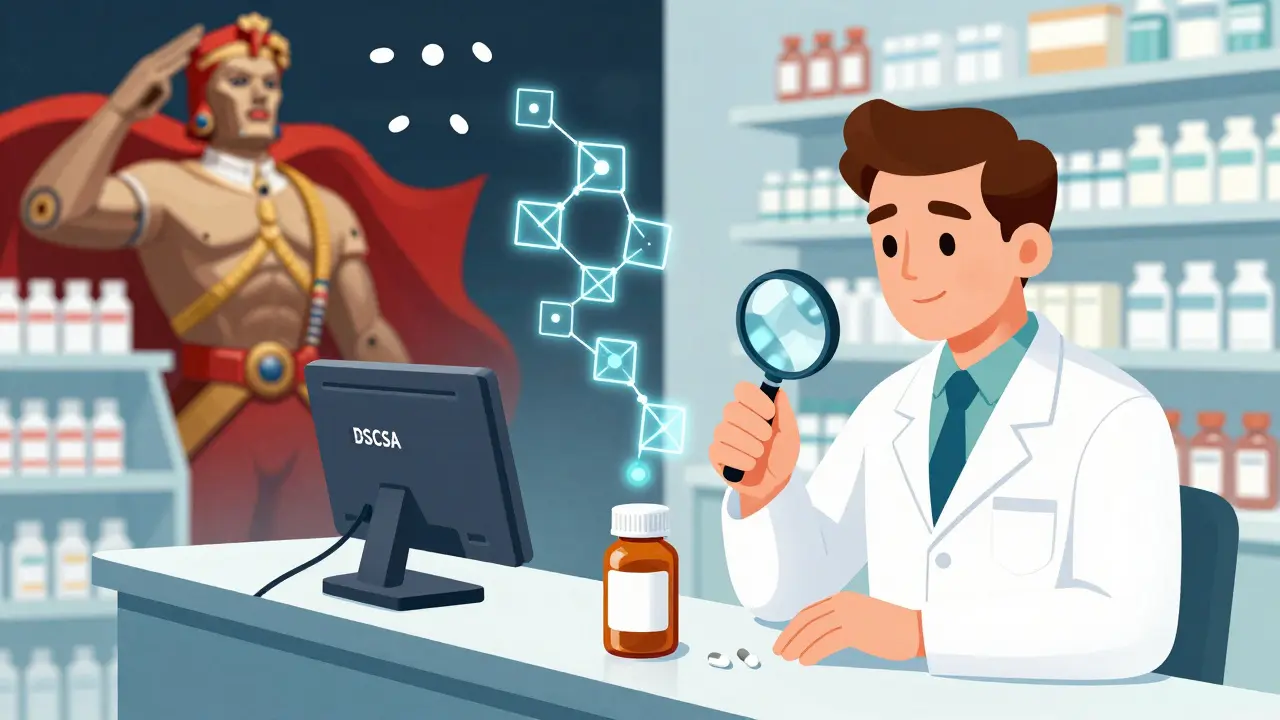
In the U.S., the Drug Supply Chain and Security Act (DSCSA) became fully active in November 2023. It requires every prescription drug to have a unique identifier - a digital serial number - that can be traced from manufacturer to pharmacy. This isn’t just a rule. It’s now a baseline for insurance underwriting.
Insurers are watching. Companies that use DSCSA-compliant systems - like electronic tracing and verification platforms - often get lower premiums. Why? Because they’re easier to trust. They reduce the chance of counterfeit drugs slipping in.
Outside the U.S., the Medicrime Convention - which took effect in January 2016 - makes it a criminal offense to produce, distribute, or sell fake medicines. Countries that enforce it strictly (like those in the EU) have lower counterfeit rates. But in places with weak enforcement, the risk skyrockets. And insurers adjust their pricing accordingly.
Even in Australia, where regulations are strong, counterfeit drugs still enter through online pharmacies and cross-border shipments. The Therapeutic Goods Administration (TGA) has flagged fake versions of insulin, blood pressure meds, and antibiotics. If you’re importing drugs from overseas - even legally - you’re exposed.
How Companies Are Fighting Back - And Why It Matters for Insurance
Big pharma isn’t sitting still. Pfizer has stopped over 302 million counterfeit doses since 2004. Bristol Myers Squibb shuts down 93% of illegal online sales sites they find. Sanofi runs a dedicated anti-counterfeit lab that tests suspicious drugs in real time.
These aren’t just PR moves. They’re risk-reduction strategies that directly affect your insurance rates. Insurers reward proactive companies. If you have:
- A team that scans the web for fake listings
- Lab equipment to verify drug authenticity
- Partnerships with law enforcement or platforms like Amazon and eBay to remove fake sellers
- you’re seen as lower risk. And lower risk means better coverage and lower premiums.
Even small pharmacies can adopt basic protections. Use the VIPPS (Verified Internet Pharmacy Practice Sites) seal when selling online. Only buy from suppliers listed in the National Association of Boards of Pharmacy’s directory. Ask for certificates of analysis. Keep digital records. These aren’t fancy tech tools. They’re basic steps - but insurers notice them.
The Hidden Costs of Counterfeit Drugs - Beyond Lawsuits
Insurance covers legal bills and patient compensation. But it doesn’t fix everything. The real damage is harder to measure:
- Patients lose trust in the system. They stop taking their meds - even the real ones - because they’re afraid.
- Research funding drops. If companies can’t make money from real drugs because fakes flood the market, they stop developing new treatments.
- Consumer spending is wasted. People pay full price for fake pills that do nothing.
That’s why the industry calls counterfeit drugs a $200 billion-a-year problem. It’s not just about one bad batch. It’s about the entire ecosystem breaking down.
And insurers know it. That’s why they’re pushing for more than just coverage. They want prevention. They want traceability. They want proof you’re doing everything you can to stop fake drugs before they reach a patient.
What You Should Do Right Now
If you’re in the drug supply chain, here’s what to check:
- Review your insurance policy. Does it explicitly cover counterfeit drug liability? Ask your broker for the exact wording.
- Verify your suppliers. Do they provide traceable lot numbers? Can you confirm their license? Don’t take their word for it - check with regulators.
- Implement electronic tracking. Even if you’re small, use DSCSA-compliant systems. They’re affordable and required by law in many places.
- Train your staff. A pharmacist who doesn’t know how to spot a fake pill is a liability. Teach them to check packaging, labels, and dosage forms.
- Document everything. If a fake drug slips through, your insurer will ask: What did you do to prevent it? Without records, you’re out of luck.
Counterfeit drugs aren’t going away. But with the right insurance - and the right practices - you can protect your business, your patients, and your reputation.
Who’s Most at Risk?
Not everyone is equally exposed. Here’s who needs to pay the most attention:
- Online pharmacies - Especially those selling without prescriptions. Most fake drugs come from unregulated websites.
- Importers - Drugs from countries with weak oversight (like India, China, or Turkey) are high-risk unless fully verified.
- Small distributors - They often buy from middlemen to save money. That’s where fakes hide.
- Hospitals and clinics - They buy in bulk. One bad batch can harm dozens of patients.
- Pharmacies in rural areas - Limited supply options mean they’re more likely to accept questionable suppliers.
If you fall into any of these groups, don’t wait for a crisis. Talk to your insurer today.
Does my business insurance cover counterfeit drugs?
It depends. Standard general liability policies usually don’t cover counterfeit drugs. You need specific product liability or errors and omissions coverage that includes supply chain fraud. Even then, coverage only applies if you had no knowledge of the fake product and followed industry standards for verification. Always ask your insurer for written confirmation.
Can I get insurance if I import drugs from overseas?
Yes, but it’s harder and more expensive. Insurers see imported drugs as higher risk, especially if they come from countries with lax regulations. You’ll need proof of supplier vetting, batch testing, and compliance with local and international traceability laws like DSCSA. Some insurers may require you to use third-party verification services before approving coverage.
What happens if I sell a counterfeit drug by accident?
If you acted in good faith - meaning you didn’t know the drug was fake and followed standard verification procedures - your liability insurance should cover patient injuries, legal defense, and recall costs. But if you ignored warnings, skipped documentation, or bought from a shady supplier, your claim will likely be denied. The key is proving you did everything reasonable to prevent it.
Are generic drugs more likely to be counterfeit?
Yes. Generic drugs are cheaper, so they’re more attractive to counterfeiters. They’re also harder for consumers to distinguish from the real thing. Insurers treat generics with extra caution, especially high-demand ones like blood pressure pills, diabetes meds, and cancer drugs. If you sell generics, you need stronger verification systems than if you sell brand-name drugs.
How do I know if a supplier is trustworthy?
Check their license with your national regulator (like the TGA in Australia or the FDA in the U.S.). Ask for a certificate of analysis for each batch. Use the VIPPS program for online suppliers. Avoid suppliers who refuse to provide documentation or offer prices far below market. If something feels off, it probably is. Trust your instincts - and your insurer will thank you.



Henry Sy January 14, 2026
So let me get this straight - if I buy a fake pill but didn’t check the supplier’s LinkedIn profile, I’m covered? But if I bought it from a guy named ‘Dave’ who texts me ‘u got the goods?’ - boom, no coverage? Insurance companies are just glorified gatekeepers playing gotcha with people’s lives. I’ve seen pharmacies in rural Ohio get slammed because they trusted a rep who showed up in a pickup truck with a clipboard. Now they’re bankrupt. Meanwhile, the big boys with legal teams laugh all the way to the bank. This whole system is rigged.
Anna Hunger January 15, 2026
It is imperative to underscore that insurance coverage for counterfeit pharmaceuticals is contingent upon demonstrable adherence to established due diligence protocols. Failure to verify supplier credentials, neglecting to maintain electronic traceability records, or disregarding regulatory mandates such as the DSCSA constitutes a material breach of contractual obligations under most liability policies. Consequently, denial of claims is not merely permissible - it is procedurally and ethically justified.
Alvin Bregman January 17, 2026
man i just bought some blood pressure pills last week from a site that looked sketchy but the price was insane like 80% off and now im sitting here wondering if i just swallowed cement or what
Sarah -Jane Vincent January 17, 2026
Let me guess - the FDA and insurers are in cahoots. They want you scared so you’ll pay more for ‘compliant’ systems that are just a front for corporate surveillance. DSCSA? That’s just a backdoor for the government to track every pill you take. And don’t get me started on how Pfizer and Big Pharma own the labs that ‘verify’ drugs. They make the rules, they profit from the fear, and they bury the real problem - that the entire supply chain is a Ponzi scheme built on overpriced generics and fake audits. You think your ‘certificates of analysis’ mean anything? They’re printed on the same printer as your Walmart receipt.
Jason Yan January 18, 2026
You know, this whole thing reminds me of the old saying - ‘trust but verify.’ But we’ve flipped it. Now it’s ‘verify, but don’t trust.’ The real tragedy isn’t the counterfeit drugs - it’s that we’ve lost faith in the system to protect us. I mean, if a hospital can’t tell if a pill is real without a lab, then what does that say about our healthcare infrastructure? We’re treating medicine like a commodity, not a lifeline. And insurers? They’re not the villains here - they’re just reflecting the chaos. The real fix isn’t more clauses in policies. It’s rebuilding trust from the ground up - with transparency, not just traceability. We need community pharmacies to be empowered, not penalized. We need patients to be educated, not scared. And we need to stop treating every mistake like a crime.
shiv singh January 19, 2026
you people are so naive. you think insurance will save you? hah. the real criminals are the doctors who prescribe these drugs and the pharmacies that sell them without asking questions. i saw a man die in my village because he took fake diabetes pills. his family had to sell their land to pay for the funeral. and now you talk about policies and traceability like it's a business seminar? this is not a spreadsheet problem. this is a moral collapse. if you dont stop buying from shady suppliers, you are just as guilty as the ones selling poison.
Robert Way January 19, 2026
so if i buy a drug from a legit supplier but they got hacked and the barcode got swapped… am i still covered? i mean like what if the system was compromised but i had no way of knowing? i just typed in the lot number and it said ok so i gave it to the patient… now im gonna get sued? this is insane
Sarah Triphahn January 21, 2026
Wow. So you’re saying the only reason anyone gets coverage is because they’re not stupid? That’s not insurance. That’s a survival of the fittest test. If you’re a small pharmacy and you didn’t spend $50k on blockchain tracking software, you deserve to get sued? This isn’t risk management - it’s class warfare dressed up as compliance. The people who need protection the most are the ones being punished for not having enough money to play the game.
Vicky Zhang January 22, 2026
I work in a small clinic in Nebraska. We don’t have a legal team. We don’t have fancy software. We just try to do right by our patients. Last month, we got a shipment of metformin that looked weird - the color was off, the smell was weird, but the paperwork was perfect. We called the supplier, they said ‘it’s fine, just use it.’ We didn’t. We threw it out. Lost $2k. But we saved someone’s life. And you know what? I don’t need insurance to feel good about that. I just need to know that when I do the right thing, someone out there isn’t going to punish me for it. Please - if you’re reading this and you’re in insurance - stop treating us like criminals. We’re just trying to keep people alive.
Allison Deming January 23, 2026
The fundamental flaw in the current framework lies in its reactive posture. Insurance mechanisms are designed to mitigate financial loss after harm has occurred, rather than prevent the occurrence of counterfeit pharmaceuticals at the source. Until regulatory bodies and insurers jointly incentivize proactive, preemptive verification systems - such as real-time blockchain-integrated supply chains, mandatory third-party audits for all intermediaries, and public-facing transparency dashboards - the entire system remains a fragile illusion of security. The DSCSA is a step, yes, but it is not a solution. It is a baseline. And baselines are not protections - they are minimum expectations. Anything less is negligence disguised as policy.