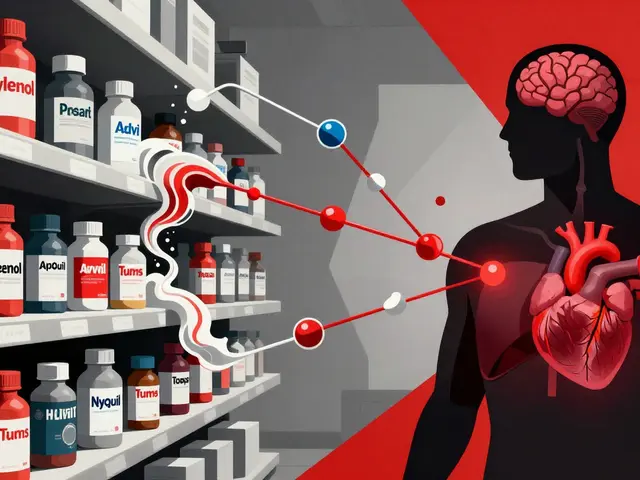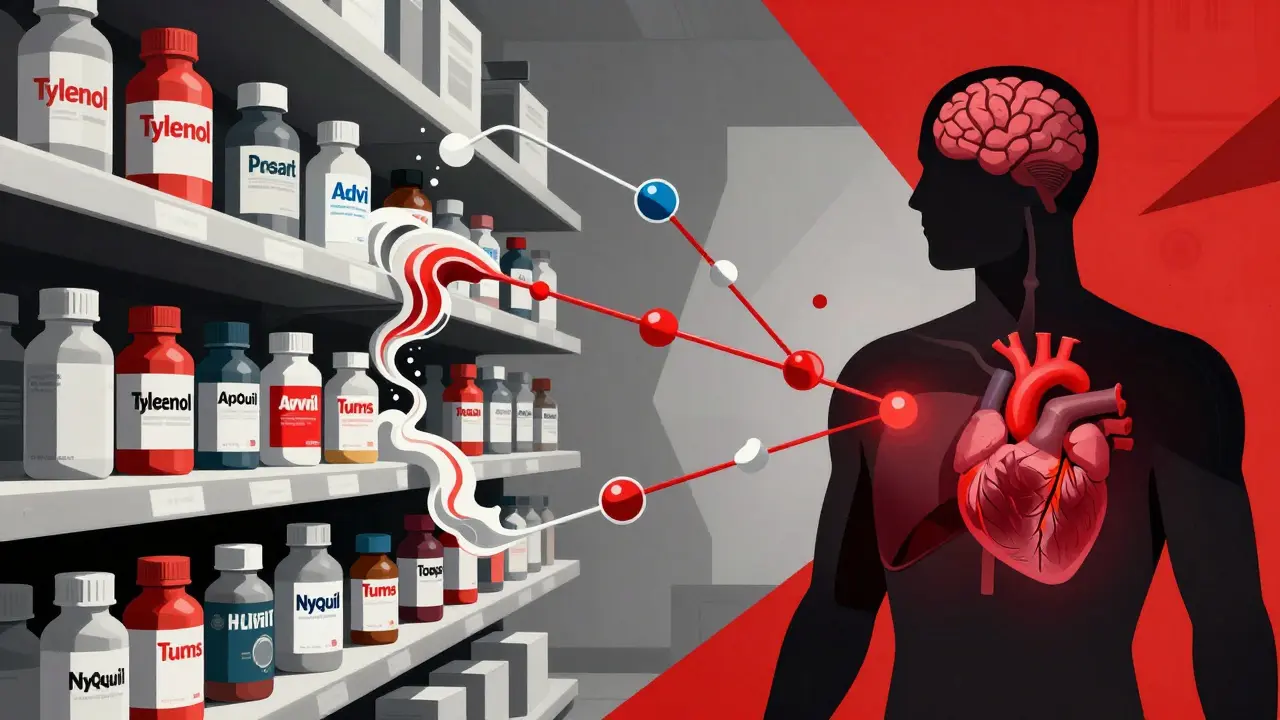
Every year, millions of people take OTC meds without thinking twice-headache pills, sleep aids, cold remedies, heartburn relief. But here’s the thing: those little bottles on your shelf can clash dangerously with the prescriptions you’re already taking. And most people have no idea.
Why OTC Medications Are Riskier Than You Think
You don’t need a prescription to buy them, so you assume they’re harmless. But OTC medications aren’t harmless. They’re drugs. And like any drug, they interact with other drugs-sometimes in ways that can land you in the hospital. Take acetaminophen. It’s in more than 600 products: Tylenol, Excedrin, NyQuil, Sudafed, Vicodin, and dozens of cold and flu blends. The maximum safe daily dose is 4,000 mg. But if you take one tablet of Tylenol for a headache, then a cold medicine that also has acetaminophen, then a sleep aid with it at night? You could easily hit 7,000 mg. That’s enough to cause acute liver failure. And you wouldn’t even feel it until it’s too late. NSAIDs like ibuprofen and naproxen are another silent danger. They’re common pain relievers, but they can mess with blood pressure meds, blood thinners, and even kidney function. If you’re on lisinopril for high blood pressure and take Advil daily for arthritis, your blood pressure might spike by 10-15 mmHg. If you’re on warfarin, combining it with ibuprofen can double your risk of internal bleeding.Top 5 Dangerous Combinations You Need to Know
Here are five combinations that aren’t just risky-they’re life-threatening if ignored.- SSRIs + NSAIDs - If you’re on an antidepressant like sertraline or fluoxetine, adding ibuprofen or naproxen can increase your risk of gastrointestinal bleeding by 3 to 10 times. This isn’t a theory. It’s backed by clinical studies.
- Aspirin + Ibuprofen or Naproxen - If you take low-dose aspirin to prevent heart attacks, ibuprofen can block aspirin’s protective effect. That means your heart isn’t protected anymore. Take aspirin at least 30 minutes before ibuprofen, or better yet, avoid ibuprofen entirely if you’re on daily aspirin.
- Levothyroxine + Omeprazole - If you’re on thyroid medication, acid blockers like omeprazole (Prilosec) can reduce its absorption by up to 50%. That means your thyroid levels stay low even if you’re taking your pill. You might feel tired, gain weight, or get depressed-all because of a heartburn pill you thought was safe.
- Antihistamines + Sedatives - Diphenhydramine (Benadryl) is in many sleep aids and cold medicines. Combine it with prescription anxiety meds like benzodiazepines or opioids, and you risk extreme drowsiness, confusion, falls, or even breathing problems. Elderly patients are especially vulnerable.
- Antacids + Digoxin or Iron - Aluminum- or magnesium-based antacids (like Maalox or Mylanta) can cut digoxin absorption by 25%. That’s dangerous if you have heart failure. They also bind to iron supplements, making them useless. Take them at least 2 hours apart.
What You’re Probably Missing: Food and Supplement Interactions
It’s not just pills. What you eat and what you supplement can change how your meds work. Grapefruit juice? It’s a known offender. It can make statins like atorvastatin or simvastatin too strong, leading to muscle damage. It can also boost levels of blood pressure meds and anti-anxiety drugs to toxic levels. Vitamin K-rich foods like kale and spinach? They can undo the effects of warfarin. If you suddenly start eating a lot of greens, your INR might drop. Too many greens one week, then none the next? Your blood clotting goes haywire. Even supplements like St. John’s wort can interfere with antidepressants, birth control, and even heart meds. And magnesium or calcium supplements? They can make thyroid meds, antibiotics like ciprofloxacin, and osteoporosis drugs like alendronate ineffective if taken too close together.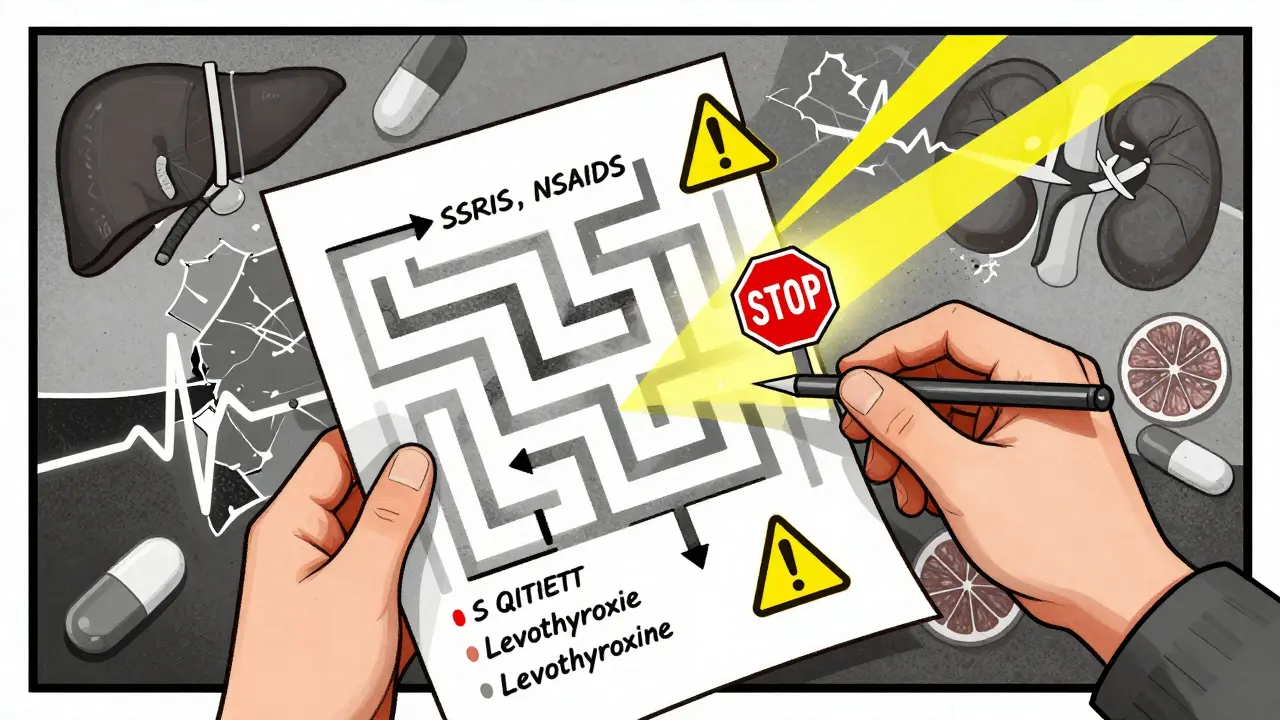
Who’s Most at Risk?
You might think this only affects older people. But it’s not just seniors. Anyone taking multiple medications is vulnerable.- Elderly patients - On average, they take 5-7 medications daily. The more pills, the higher the chance of a bad mix.
- People with kidney or liver disease - These organs clear drugs from your body. If they’re damaged, drugs build up faster and stay longer.
- People with heart disease, diabetes, or high blood pressure - Their meds are finely tuned. Even small changes can throw everything off.
- People who self-treat symptoms - Taking OTC meds for occasional headaches, colds, or trouble sleeping without telling a doctor creates blind spots. These are the cases that get missed in electronic records.
How to Protect Yourself: A Simple 3-Step Plan
You don’t need to be a pharmacist to stay safe. Just follow this.- Keep a written list - Write down every pill, capsule, gummy, or drop you take. Include the OTC stuff, vitamins, herbs, and even teas. Note the reason you take each one. Update it every time you start or stop something.
- Bring it to every appointment - Not just your doctor. Bring it to your pharmacist too. Pharmacists are trained to spot interactions. They see hundreds of combinations every day. Ask them: “Could this new OTC medicine clash with anything I’m already taking?”
- Read the label before you take it - Look for the “Active Ingredients” section. If you see acetaminophen, ibuprofen, or diphenhydramine again in another product, don’t take both. And check the warnings: “Do not use if you have high blood pressure” or “May cause drowsiness” aren’t just fine print-they’re red flags.
What to Do If You’ve Already Mixed Them
If you’ve taken an OTC med with your prescription and feel weird-dizzy, nauseous, confused, or if you notice unusual bruising, bleeding, or swelling-don’t wait. Call your doctor or pharmacist right away. If it’s an emergency-chest pain, trouble breathing, black stools, or sudden weakness-call 911. Don’t Google it. Don’t wait to see if it passes. Drug interactions can escalate fast.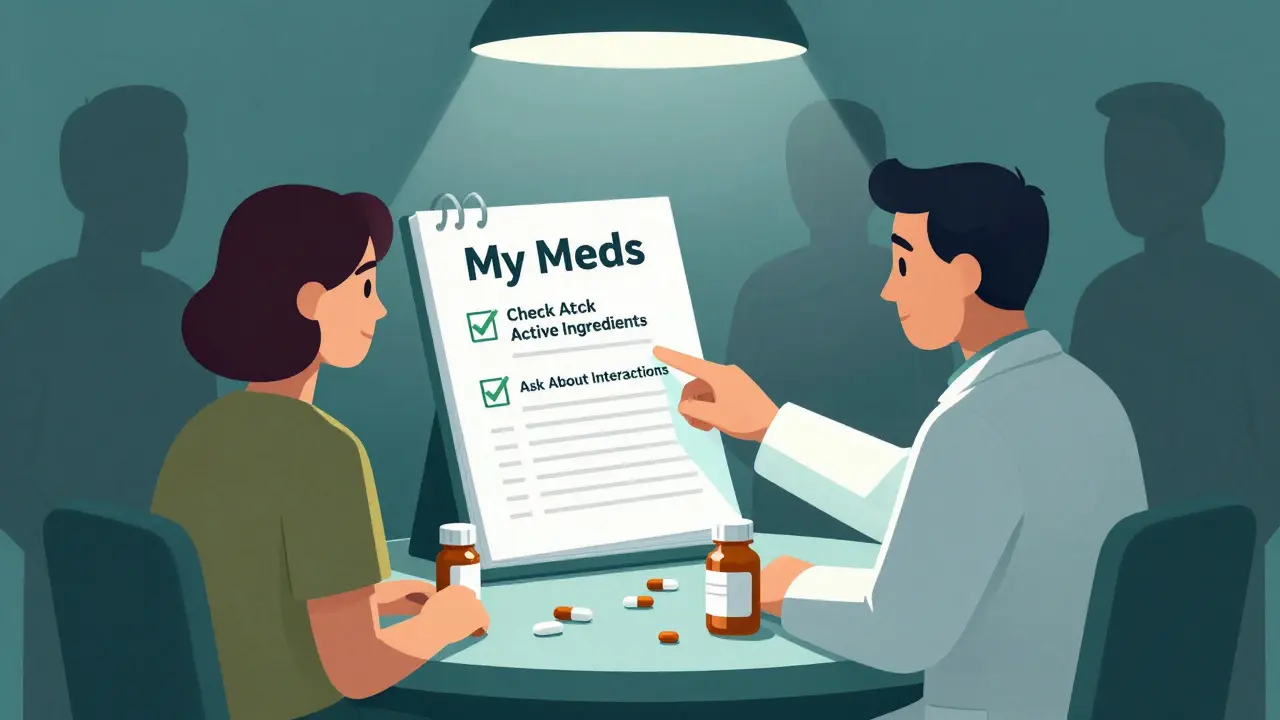
Tools That Actually Help
There are free tools you can use right now:- WebMD Drug Interaction Checker - Enter your prescription and OTC meds, and it tells you what to watch for. Updated with over 24,000 medications and 850+ foods.
- Medication lists in your phone - Use the Notes app or a free app like MyTherapy or Medisafe to track everything. Share the list with a family member.
- Pharmacy apps - Many pharmacies like CVS, Walgreens, and Rite Aid let you upload your prescriptions. They’ll alert you if a new OTC purchase might interact.
Why Doctors Don’t Always Know
Here’s the hard truth: doctors don’t always know what you’re taking. A WebMD survey found that 67% of patients don’t mention OTC meds to their doctors. Why? Because they think it’s not important. Because they forget. Because they don’t want to seem like they’re taking too many pills. But here’s what happens when you don’t tell them: you get prescribed something new, and it clashes with something you’re already taking. And you’re the one who pays the price.Final Thought: OTC Doesn’t Mean Risk-Free
Just because you can buy it off the shelf doesn’t mean it’s safe to use without thinking. The biggest risk isn’t the medicine itself-it’s the assumption that it’s harmless. The next time you reach for that bottle of Advil, NyQuil, or Tums, pause. Ask yourself: “What else am I taking? Could this hurt me?” A simple conversation with your pharmacist could prevent a hospital stay. A quick check of your list could save your liver. Don’t wait for something to go wrong. Check now.Can I take ibuprofen with my blood pressure medicine?
It depends. Ibuprofen can reduce the effectiveness of blood pressure meds like ACE inhibitors, beta-blockers, and diuretics. It can also raise your blood pressure by 5-15 mmHg. If you need pain relief, acetaminophen is usually safer-but only if you don’t exceed 4,000 mg per day. Always check with your pharmacist first.
Is it safe to take Tylenol with warfarin?
Yes, acetaminophen (Tylenol) is generally considered safe with warfarin, unlike NSAIDs like ibuprofen. But don’t take more than 2,000-3,000 mg per day if you’re on warfarin. Higher doses may affect liver function and alter how warfarin works. Always monitor your INR levels closely if you use Tylenol regularly.
Can OTC sleep aids cause problems with antidepressants?
Yes. Many OTC sleep aids contain diphenhydramine or doxylamine, which are strong anticholinergics. When combined with SSRIs, SNRIs, or tricyclic antidepressants, they can cause extreme drowsiness, confusion, dry mouth, urinary retention, and even delirium-especially in older adults. Avoid them unless your doctor approves.
Do herbal supplements interact with prescription drugs?
Absolutely. St. John’s wort can make birth control, antidepressants, and heart meds less effective. Garlic and ginkgo can increase bleeding risk with blood thinners. Goldenseal can interfere with liver enzymes that process many drugs. Always tell your doctor or pharmacist what supplements you’re taking-even if you think they’re “natural.”
What should I do if I accidentally took two meds that interact?
Stop taking the OTC med immediately. Call your pharmacist or doctor. If you feel unwell-dizziness, nausea, chest pain, unusual bruising, confusion, or trouble breathing-go to the ER. Don’t wait. Some interactions cause damage within hours. Keep a list of all your meds handy when you call.
Why don’t OTC labels warn me better about interactions?
Labeling has improved since the FDA’s 2022 guidance, but many products still bury warnings in small print. The FDA now requires clearer warnings for high-risk combinations (like NSAIDs with blood pressure meds), but not all manufacturers have updated labels yet. Always read the “Warnings” and “Drug Interactions” section-even if it’s tiny. When in doubt, ask a pharmacist.