NSAID Safety: What You Need to Know About Risks, Alternatives, and Real-World Use
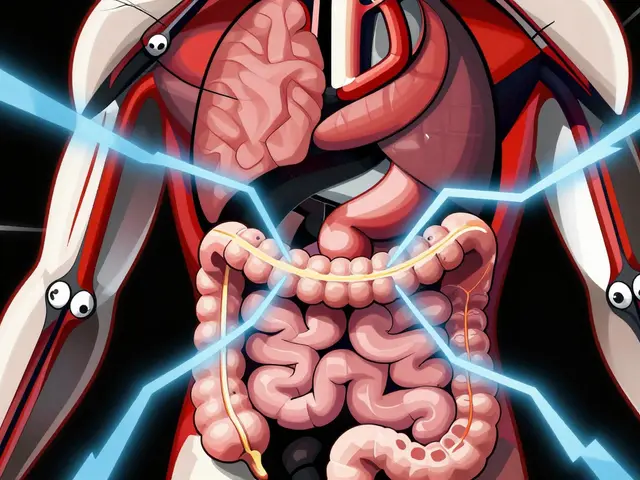
When you reach for NSAIDs, nonsteroidal anti-inflammatory drugs used to reduce pain, fever, and inflammation. Also known as non-narcotic painkillers, they’re among the most common medications people take without a prescription—yet their risks are often ignored. Ibuprofen, naproxen, aspirin, and celecoxib all fall under this category, but they don’t act the same way in your body. Some hit your stomach harder. Others raise your blood pressure. A few even increase your chance of heart attack or stroke, especially if you take them long-term. This isn’t scare tactics—it’s what the FDA and major medical journals have confirmed.
NSAID safety isn’t just about picking the right dose. It’s about understanding who you are when you take them. If you’re over 65, have kidney problems, or take blood thinners, even a single pill can be risky. People with a history of ulcers? NSAIDs can trigger bleeding you won’t see coming. And celecoxib, while easier on the stomach, isn’t harmless—it’s linked to cardiovascular events in high doses or with long use. These aren’t abstract warnings. They’re real outcomes seen in clinical trials and emergency rooms. Even something as simple as ibuprofen, sold in every drugstore, can interfere with heart medications or cause sudden kidney damage in dehydrated people.
What’s missing from most advice is the alternatives. If NSAIDs are too risky for you, what else works? For joint pain, acetaminophen might be safer. For inflammation, physical therapy or cold therapy can help. For chronic conditions like arthritis, some patients find relief with supplements like turmeric or fish oil—though they’re not magic bullets. The point isn’t to avoid NSAIDs entirely, but to use them with eyes wide open. Know your health history. Know your other meds. Know how long you’ve been taking them. And if you’re using them daily for more than a week, talk to someone who can help you weigh the trade-offs.
Looking through the posts here, you’ll find real cases where NSAID safety mattered—like how celecoxib shows up in cancer prevention research, or how switching meds can trigger side effects that look like new illnesses. You’ll see how people manage pain without relying on pills, and how drug interactions can sneak up on you. This isn’t theory. It’s what happens when people take these drugs without knowing the full picture. What you’ll find below are practical guides, comparisons, and warnings—straight from people who’ve been there, and from the data that backs them up.
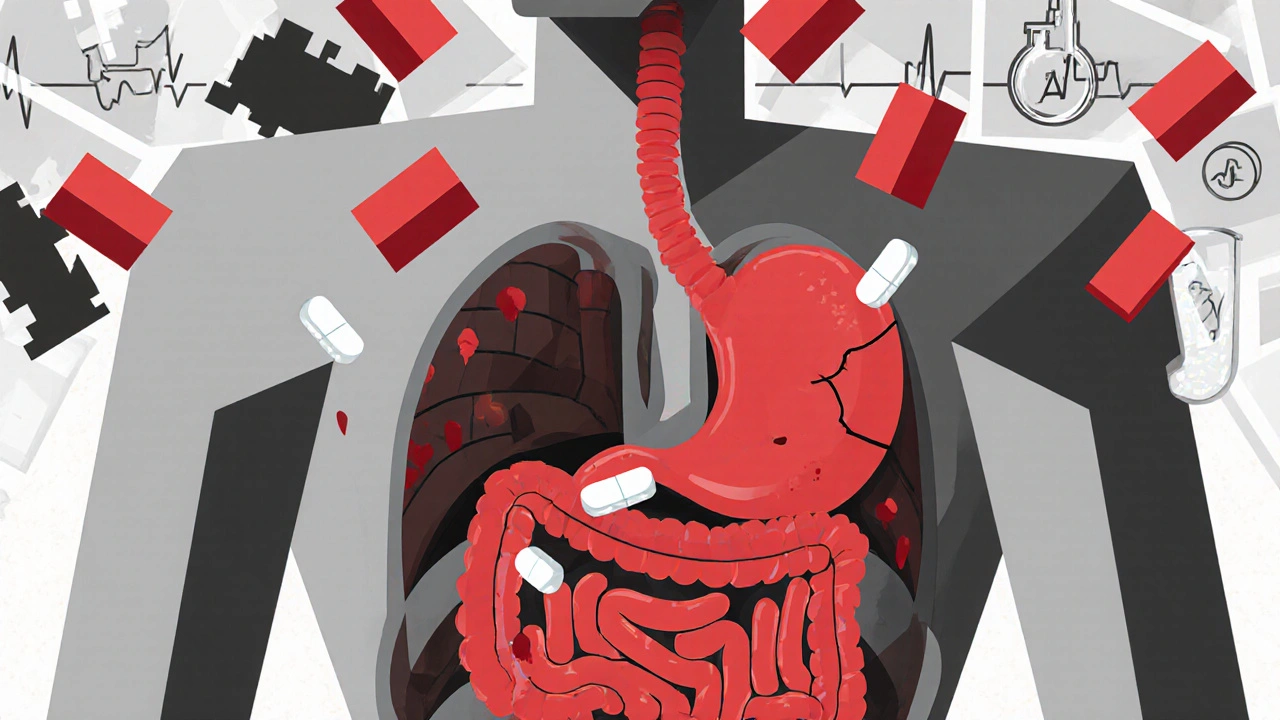
NSAID Safety: Understanding GI Risks, Kidney Effects, and Essential Monitoring
NSAIDs relieve pain but carry hidden risks to your stomach, intestines, and kidneys. Learn the real dangers, who's most at risk, and what tests you need to stay safe.