Imagine you have a prescription for a life-saving medication that costs $1,200 a month. You know a cheaper version exists because the FDA has already approved it. Yet, you cannot buy it. Why? Because of a legal battle happening in a courtroom thousands of miles away. This is the reality for millions of patients in the United States. Patent litigation is a legal process used by brand-name pharmaceutical companies to delay the market entry of cheaper generic competitors. It is not just about protecting intellectual property; it is often a strategic tool to extend monopolies and keep prices artificially high.
The system was supposed to balance innovation with access. Instead, it has become a maze of delays. Understanding why these disputes take so long-and how they affect your wallet-is crucial for anyone navigating the healthcare system. Let’s break down the mechanics behind these delays.
The Hatch-Waxman Framework: A Double-Edged Sword
To understand the delays, we first need to look at the rules of the game. In 1984, Congress passed the Drug Price Competition and Patent Term Restoration Act, commonly known as the Hatch-Waxman Act. This legislation created a pathway for generic manufacturers to prove their drugs are equivalent to brand-name versions without repeating expensive clinical trials. The goal was simple: accelerate the availability of generics while still rewarding innovators.
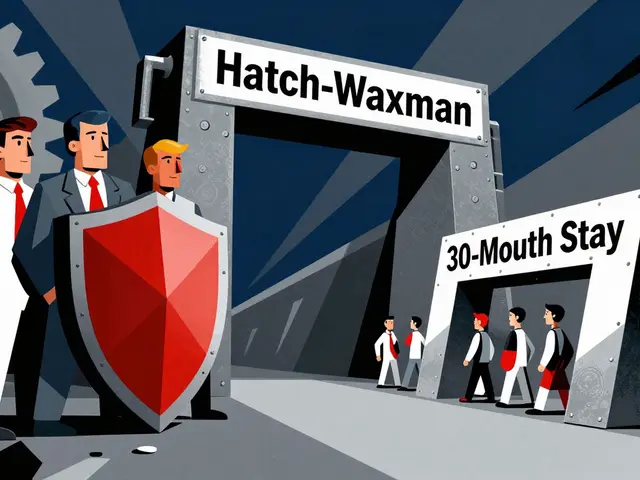
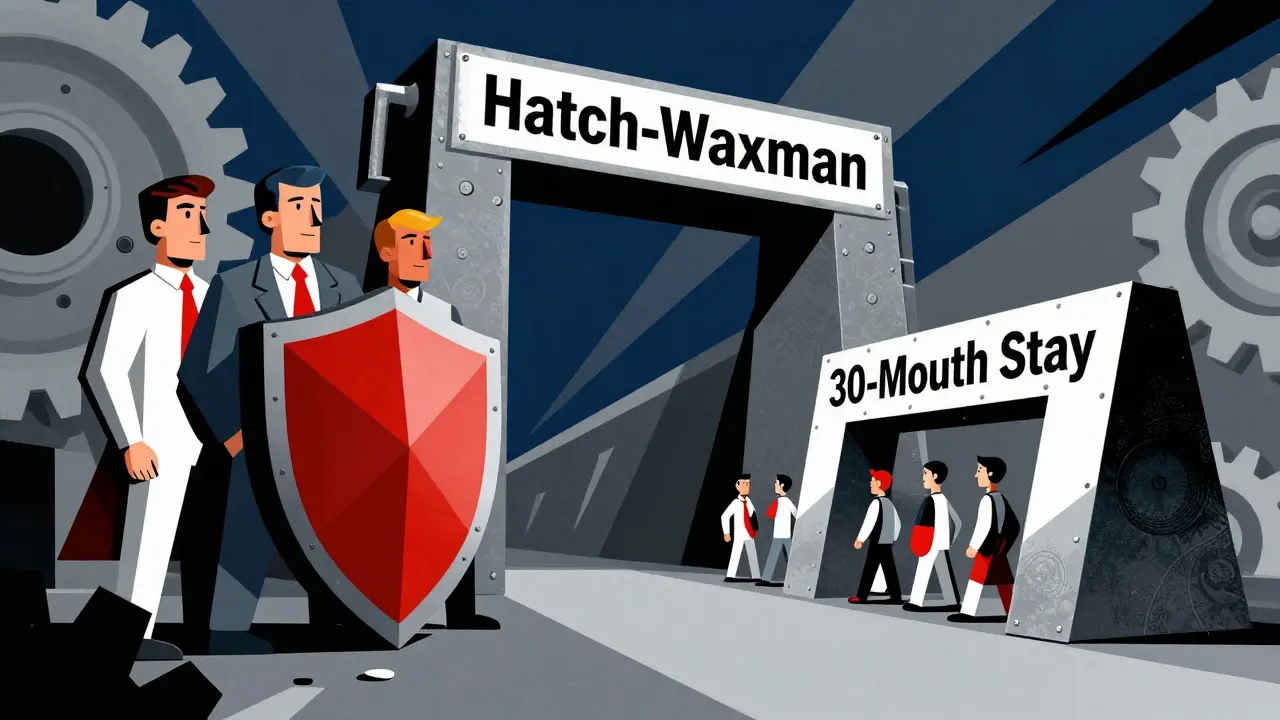
However, the act also introduced a mechanism that brand-name companies now use to stall competition. When a generic company files an Abbreviated New Drug Application (ANDA) with a Paragraph IV certification, which is a statement declaring that a patent listed for the brand-name drug is invalid or will not be infringed, they are essentially challenging the brand’s patent before it expires. Under the law, the brand-name company has 45 days to sue. If they do, the FDA is automatically blocked from approving the generic for 30 months.
This 30-month stay is the core of the delay. It guarantees the brand-name company nearly three years of uninterrupted monopoly, regardless of whether their patent is actually valid. For blockbuster drugs earning billions, this period represents massive revenue protection. According to data from DrugPatentWatch, this automatic stay serves as a "guaranteed period of continued market exclusivity" that protects billions in revenue while litigation proceeds.
Beyond the 30-Month Stay: Serial Litigation Tactics
If the 30-month stay were the only hurdle, generic entry would be predictable. But it isn’t. Brand-name companies employ a strategy known as serial patent litigation, which involves filing multiple successive lawsuits based on different patents related to the same drug. Even after the initial 30-month stay ends, the legal battles continue.
Research published in PMC shows that the median time between the expiration of the 30-month stay and the actual launch of the generic drug is 3.2 years. That means most new brand-name drugs maintain a minimum of 7.5 years of generic-free market exclusivity, even if the original compound patent expires earlier. How do they do this?
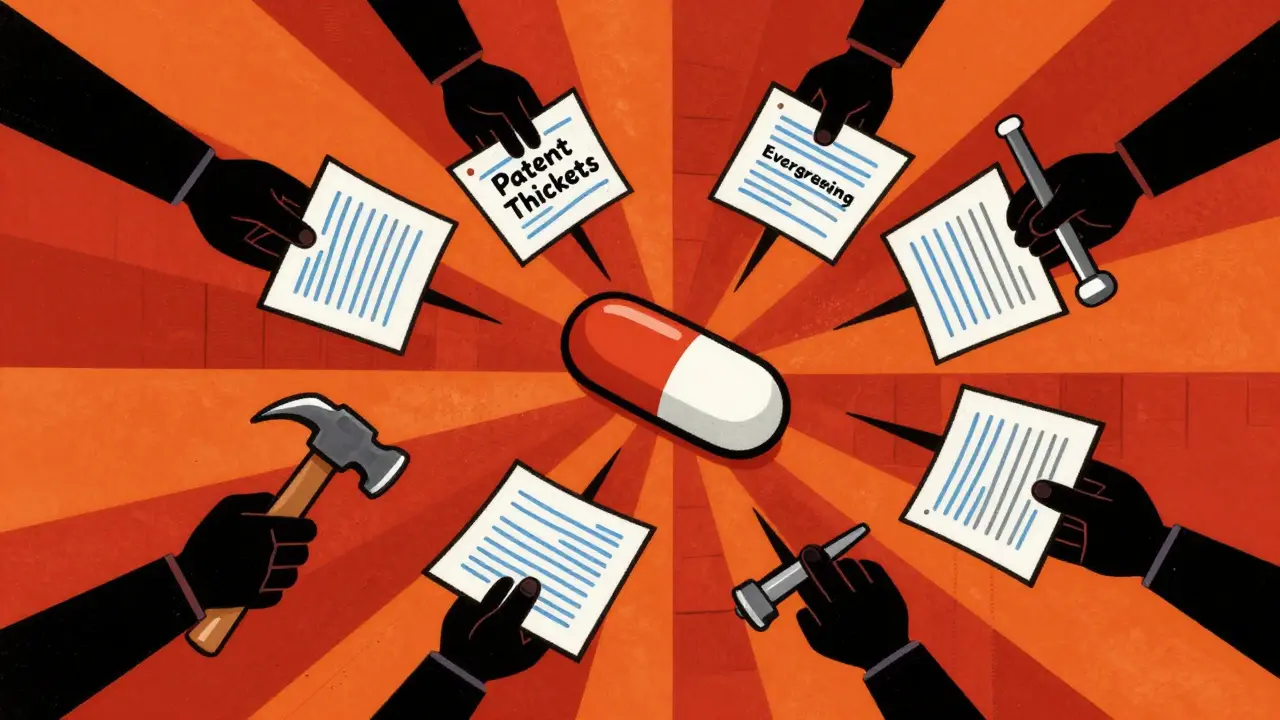
- Patent Thickets: Companies file dozens of secondary patents covering everything from pill color to manufacturing methods. A 2023 study found that 72% of examined patents were filed *after* the FDA approved the drug. These post-approval patents create layers of legal barriers.
- Evergreening: This tactic involves making minor changes to a drug’s formulation or delivery mechanism and patenting those changes just as the original patent nears expiration. It forces generic makers to start the clock all over again.
- Restricting Samples: Generic manufacturers need physical samples of the brand-name drug to test their own products. Brand companies sometimes refuse to sell these samples, forcing generics to synthesize them themselves-a costly and time-consuming process.
The result is a protracted legal journey. From filing to final appeal, these cases can take three to five years on average. During this time, patients pay premium prices for no reason other than legal maneuvering.
The Role of Pay-for-Delay Settlements
Sometimes, the lawsuit never goes to trial. Instead, the two parties settle. While settlements might sound like a resolution, they can be deeply anti-competitive. The Federal Trade Commission (FTC) has identified pay-for-delay agreements, which are settlements where brand-name companies pay generic manufacturers to postpone launching their cheaper alternative.
In these deals, the brand-name company pays the generic maker millions of dollars to agree not to enter the market for a set period. Essentially, the brand shares its monopoly profits with the generic to keep competition at bay. The FTC’s 2010 report revealed that while only 24% of patent cases settled this way, these agreements cost consumers billions. The FTC has increasingly scrutinized these practices, arguing they violate antitrust laws by keeping drug prices artificially high.
For example, in cases involving major brands like Humira, delayed generic entry has cost large employers over $1.2 billion in a single year. These aren't abstract numbers; they come directly from patient copays and insurance premiums.
The Human Cost of Legal Delays
Behind every statistic is a person struggling to afford care. Healthcare providers report seeing patients ration insulin or skip doses because the generic version was approved but delayed by 18 months due to patent challenges. On pharmacy forums, pharmacists share stories of patients who couldn't afford $1,200 monthly prescriptions despite knowing a cheaper option existed.
The impact extends beyond individual patients. Employer health plans face skyrocketing costs. Pharmacy Benefit Managers (PBMs) now build 24-36 month delay windows into their forecasting for new generic entries, acknowledging that approval does not mean availability. The Association for Accessible Medicines (AAM) notes that these tactics deny patients options and significant savings, creating a system that prioritizes corporate profit over public health.
Regulatory Pushback and Future Outlook
Is there hope for change? Yes. Regulatory bodies are beginning to push back. The FTC, under Chair Lina Khan, has stated it will aggressively challenge pay-for-delay agreements. In 2023, the CREATES Act was enacted to address the tactic of restricting drug samples, requiring brand companies to provide samples under fair terms.
Proposed legislation like the Protecting Consumer Access to Generic Drugs Act aims to limit the number of patents that can be listed in the FDA’s Orange Book, reducing the ability to engage in serial litigation. However, industry analysts warn that without significant reform, the current system will continue to delay generic entry by an average of 3.2 years per drug, costing consumers $15-20 billion annually.
What is the 30-month stay in patent litigation?
The 30-month stay is an automatic pause on FDA approval of a generic drug when a brand-name company sues the generic manufacturer within 45 days of receiving a Paragraph IV certification. This pause lasts for 30 months, allowing the brand to maintain its monopoly while the legal case proceeds.
Why do generic drugs take so long to reach the market after FDA approval?
Even after FDA approval, generic drugs are often blocked by ongoing patent litigation. Brand-name companies use strategies like serial lawsuits, patent thickets, and pay-for-delay settlements to prevent generics from launching. On average, there is a 3.2-year gap between the end of the statutory stay and actual market launch.
What are pay-for-delay settlements?
Pay-for-delay settlements are agreements where brand-name pharmaceutical companies pay generic manufacturers to delay entering the market. This allows the brand to maintain higher prices for longer, sharing some profits with the generic maker to avoid competition. The FTC considers these practices anti-competitive.
How does the Hatch-Waxman Act affect drug prices?
While designed to balance innovation and access, the Hatch-Waxman Act’s provisions allow brand-name companies to extend monopolies through litigation. This delays generic competition, keeping drug prices high for years longer than necessary. Studies show this results in billions of dollars in extra costs for consumers and insurers.
What is a Paragraph IV certification?
A Paragraph IV certification is a statement made by a generic drug applicant to the FDA, asserting that a patent listed for the brand-name drug is either invalid, unenforceable, or will not be infringed by the generic product. Filing this certification triggers the potential for patent litigation and the 30-month stay.