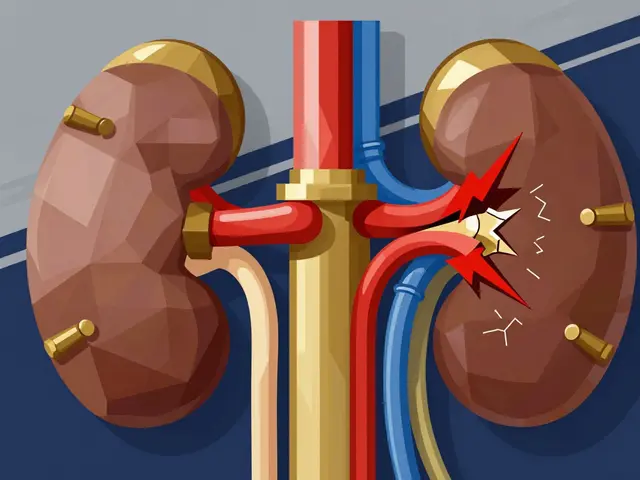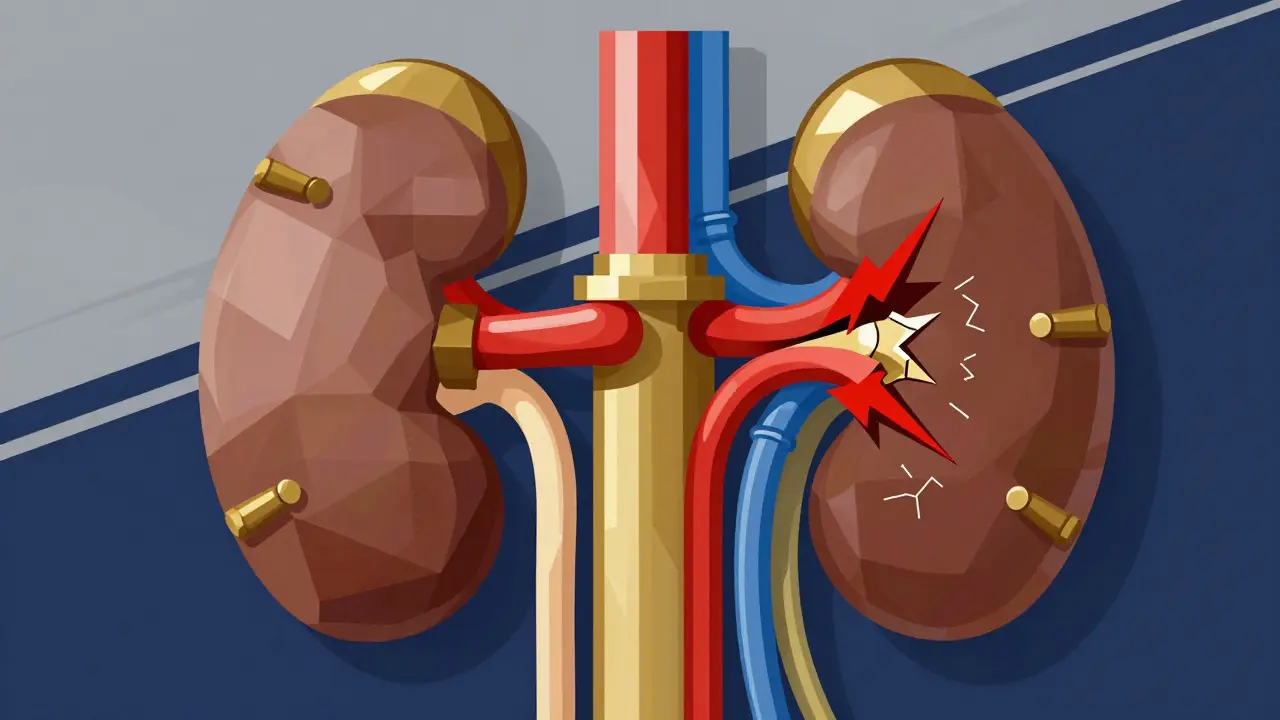
High blood pressure is the silent killer of kidney function. For anyone diagnosed with chronic kidney disease (CKD), managing that pressure isn't just about avoiding a stroke; it's about keeping your kidneys working for as long as possible. This is where ACE inhibitors and ARBs come into play. These aren't just standard blood pressure pills. They are specific tools designed to protect your kidneys from further damage.
If you have been told you need one of these medications, you might have heard conflicting advice. Some doctors push them hard because they slow down kidney failure. Others worry about side effects like high potassium or a temporary drop in kidney function numbers. The truth lies somewhere in the middle, and understanding how these drugs work can help you make smarter decisions with your healthcare team.
How ACE Inhibitors and ARBs Protect Your Kidneys
To understand why these drugs are special, we have to look at what happens inside your body when blood pressure runs high. Your body has a system called the Renin-Angiotensin-Aldosterone System, often shortened to RAAS. Think of RAAS as your body's thermostat for blood pressure. When your blood pressure drops, this system kicks in to raise it back up by narrowing your blood vessels and holding onto salt and water.
In healthy people, this is helpful. But in someone with kidney disease, this system goes into overdrive. It causes the tiny filtering units in your kidneys, called glomeruli, to work too hard. Imagine squeezing a sponge repeatedly until it tears-that is essentially what high intraglomerular pressure does to your kidneys over time. This stress leads to protein leaking into your urine (proteinuria) and permanent scarring of the kidney tissue.
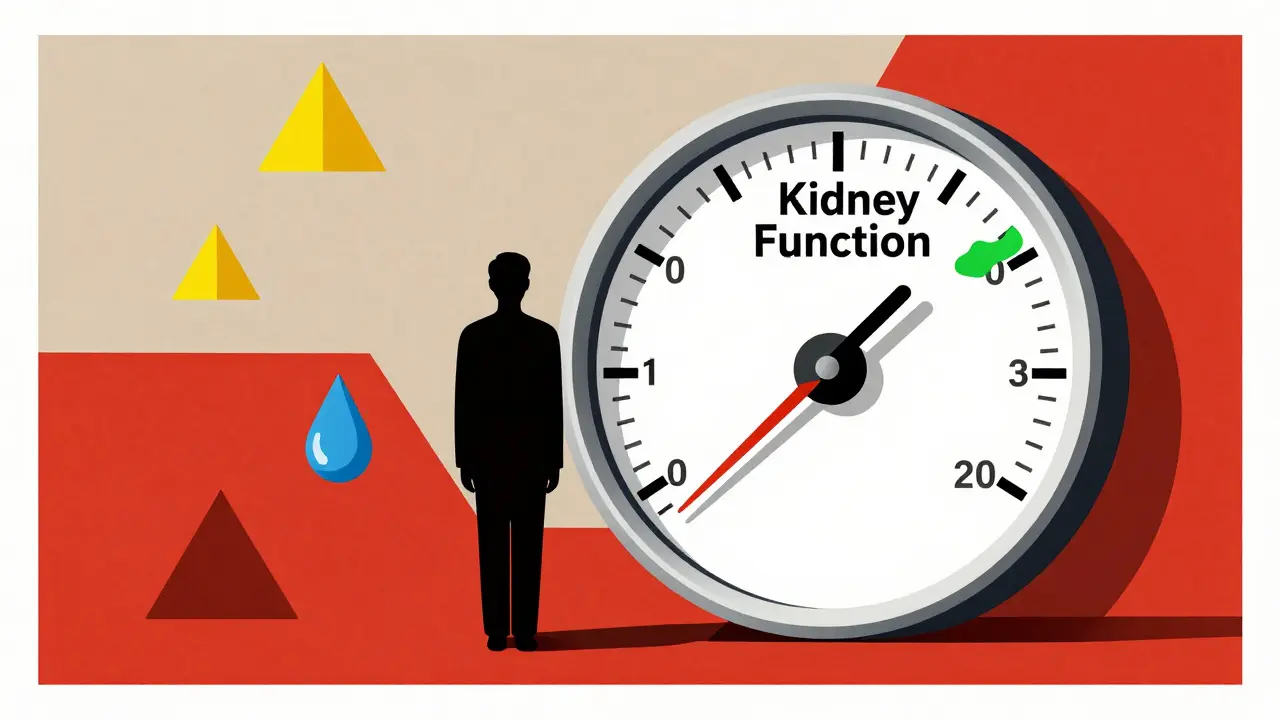
ACE inhibitors block the enzyme that creates angiotensin II, a chemical that tightens blood vessels. By stopping this chemical, the blood vessels relax, and pressure drops. ARBs work slightly differently. Instead of blocking the creation of angiotensin II, they block the receptors where angiotensin II tries to attach itself. It's like removing the key rather than locking the door. Both methods result in lower blood pressure and, crucially, less strain on those delicate kidney filters.
The Evidence: Do They Actually Slow Kidney Failure?
You don't have to take my word for it. The medical community has studied these drugs for decades. Back in 2003, the Joint National Commission guidelines specifically recommended ACE inhibitors or ARBs for patients with high levels of albumin in their urine. Since then, the evidence has only gotten stronger.
Clinical data shows that using these medications as a primary treatment can reduce systolic blood pressure by 10-15 mmHg. More importantly, they decrease protein leakage in the urine by 30-50%. This reduction in proteinuria is a major marker of success because less protein leaking means less inflammation and scarring in the kidneys. Meta-analyses have confirmed that patients with proteinuric kidney disease who take ACE inhibitors or ARBs see a 25% reduction in the risk of reaching end-stage renal disease compared to those on other blood pressure meds.
A recent study published in 2024 looked at patients with advanced kidney disease (Stage IV and V). You might think these drugs are only for early stages, but the data says otherwise. Among 1,237 patients with very low kidney function, starting an ACE inhibitor or ARB resulted in a 34% lower risk of needing dialysis or a transplant. This challenges the old fear that these drugs are unsafe for late-stage CKD.
Common Side Effects and Safety Concerns
While the benefits are clear, these medications do come with risks that require monitoring. The two biggest concerns are hyperkalemia (high potassium) and acute kidney injury.
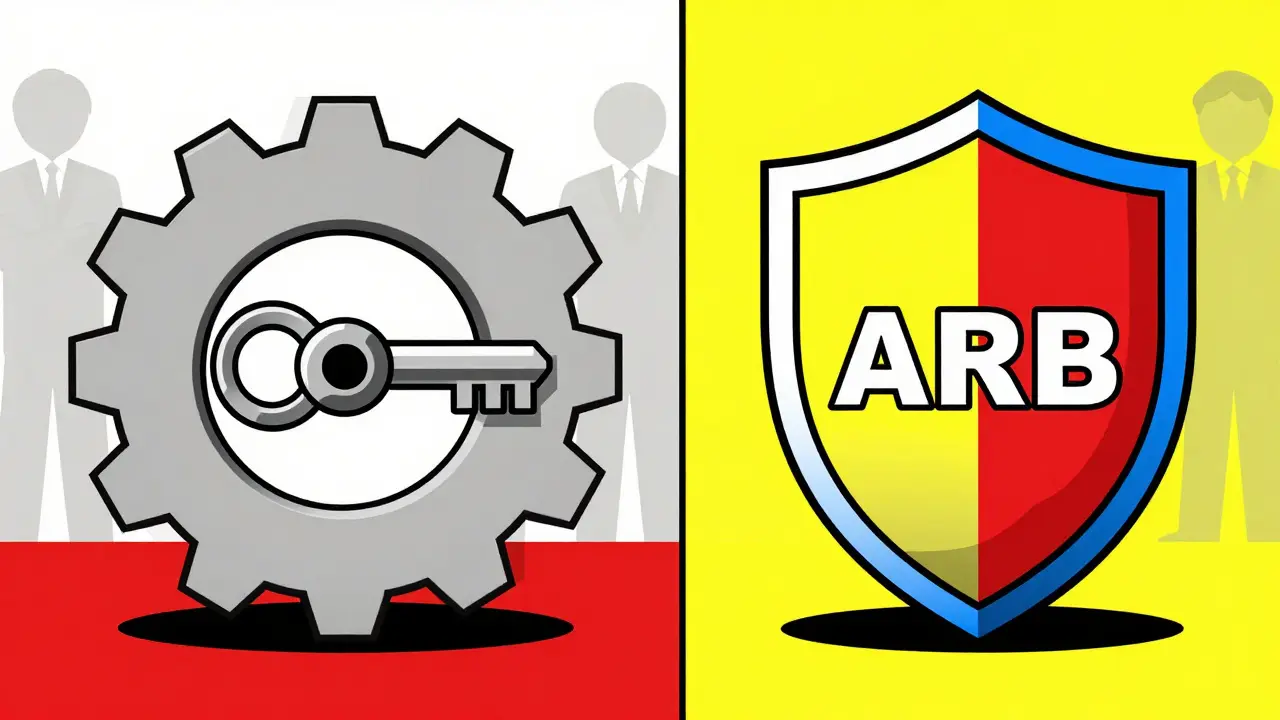
Here is the tricky part: when you start an ACE inhibitor or ARB, your estimated glomerular filtration rate (eGFR) might drop by up to 30% within the first few weeks. This sounds scary, but it is actually expected. The drug is relaxing the pressure inside the kidney filters. A small drop is normal and usually stabilizes. However, if your eGFR drops more than 30% from your baseline, or if your potassium levels rise above 5.5 mmol/L, your doctor will likely adjust or stop the medication.
About 10-15% of patients experience hyperkalemia. Potassium is essential for heart rhythm, but too much can be dangerous. If you are on these drugs, you may need to limit high-potassium foods like bananas, oranges, and potatoes. Another common issue with ACE inhibitors specifically is a dry, persistent cough. About 5-20% of users develop this cough because ACE inhibitors also affect another substance in the lungs. If this happens, switching to an ARB often solves the problem since ARBs do not cause this cough.
ACE Inhibitors vs. ARBs: Which One Is Right for You?
Both classes of drugs are effective, but they have different side effect profiles. Here is a quick comparison to help you discuss options with your doctor:
| Feature | ACE Inhibitors | ARBs |
|---|---|---|
| Examples | Lisinopril, Enalapril, Benazepril | Losartan, Valsartan, Irbesartan |
| Common Side Effect | Dry cough (5-20%) | Fewer respiratory side effects |
| Rare Risk | Angioedema (swelling) | Very low risk of angioedema |
| Efficacy in CKD | High | High (similar to ACEIs) |
| Cost | Generally lower (generic available) | Varies, but many generics exist |
If you tolerate an ACE inhibitor well, there is no need to switch. They are often cheaper and have a longer track record. But if that cough keeps you up at night, ask your doctor about switching to an ARB. The protection for your kidneys remains the same.
Should You Take Both? (Dual Blockade)
In the past, some doctors prescribed both an ACE inhibitor and an ARB together, hoping to get maximum protection. This is called dual RAAS blockade. While studies showed this could reduce proteinuria by an extra 15-20%, it came with a heavy price tag. The Veterans Affairs Nephropathy Trial found that combining these drugs increased the risk of hyperkalemia by 50% and doubled the chance of acute kidney injury.
Current guidelines strongly advise against taking both simultaneously. The risks outweigh the benefits. Stick to one or the other, titrated to the highest dose your body can tolerate without causing dangerous side effects.
Monitoring and Next Steps
Starting these medications requires a plan. Before you begin, your doctor should check your baseline eGFR, serum potassium, and urine protein levels. Once you start, you need follow-up tests within 1-2 weeks. This is critical. It ensures your kidneys are adjusting safely and your potassium isn't creeping up.
If your levels stabilize, you will typically move to quarterly or annual monitoring. Remember, the goal is individualized. For most people with CKD and albuminuria, the target systolic blood pressure is under 130 mmHg. If the ACE inhibitor or ARB alone doesn't get you there, your doctor might add a calcium channel blocker or a diuretic, rather than doubling up on RAAS blockers.
Don't let fear of side effects stop you from getting proven kidney protection. With proper monitoring, ACE inhibitors and ARBs remain the gold standard for slowing kidney disease progression. Talk to your nephrologist about which one fits your lifestyle and health profile best.
Can I take ACE inhibitors or ARBs if I have Stage 4 or 5 kidney disease?
Yes. Recent guidelines from KDIGO and studies from 2024 support continuing these medications in advanced CKD (Stages 4-5) as long as your eGFR is above 15 mL/min/1.73m² and potassium is below 5.0 mmol/L. They significantly reduce the risk of needing dialysis.
Why did my eGFR drop after starting lisinopril?
A drop of up to 30% in eGFR is common and expected when starting ACE inhibitors or ARBs. It reflects the reduction in pressure inside the kidney filters. If the drop is less than 30% and stabilizes, it is generally considered safe and beneficial for long-term kidney health.
What foods should I avoid if I am on these medications?
You may need to limit high-potassium foods such as bananas, oranges, potatoes, tomatoes, and spinach, especially if your blood potassium levels are on the higher side. Always follow your doctor's specific dietary advice based on your lab results.
Is it safe to combine an ACE inhibitor and an ARB?
No. Combining an ACE inhibitor and an ARB (dual blockade) increases the risk of hyperkalemia and acute kidney injury without providing significant additional benefit. Current medical guidelines recommend using only one of these medications at a time.
What should I do if I develop a cough from an ACE inhibitor?
A dry cough is a common side effect of ACE inhibitors, affecting up to 20% of users. It is not dangerous but can be annoying. Ask your doctor about switching to an ARB, which works similarly but does not cause this cough.