
Vitamin A Pregnancy Safety Calculator
Daily Intake Inputs
Analysis & Risk Assessment
Enter values to analyze your daily Vitamin A exposure relative to pregnancy safety guidelines.
Imagine taking a supplement or medication that promises glowing skin or better health, only to discover it carries a hidden risk of causing severe birth defects. This is the reality for many who consume high doses of vitamin A or prescription retinoids without understanding their potential dangers. While vitamin A is essential for vision, immune function, and cell growth, too much of it-especially in its preformed state-can disrupt embryonic development. The stakes are incredibly high, particularly during the first trimester when an embryo’s organs are forming. Understanding these risks isn’t just academic; it’s a critical part of protecting future generations from preventable harm.
The Science Behind Retinoid Teratogenicity
To grasp why retinoids can be so dangerous during pregnancy, we need to look at how they work on a cellular level. Retinoids, which include natural vitamin A derivatives like retinol and synthetic analogs such as isotretinoin (Accutane), regulate gene expression. They bind to specific receptors in cells, influencing how genes are turned on or off. During embryonic development, this regulation is crucial for shaping the body’s structure, particularly the brain, face, and heart.
However, when present in excessive amounts, retinoids interfere with the activity of neural crest cells-specialized cells that migrate to form various structures in the head and neck. They also disrupt homeobox genes, such as Hoxb-1, which control axial patterning. This disruption can lead to a range of congenital anomalies, including cleft lips, cleft palates, eye defects, and heart malformations. The critical window for exposure is narrow but vital: weeks 3 to 5 of human pregnancy, corresponding to days 2-6 in rat studies conducted by Sidney Q. Cohlan in 1953. His research first documented that pregnant rats fed excessive vitamin A produced offspring with severe abnormalities, laying the groundwork for our current understanding of retinoid teratogenicity.
Different Forms, Different Risks
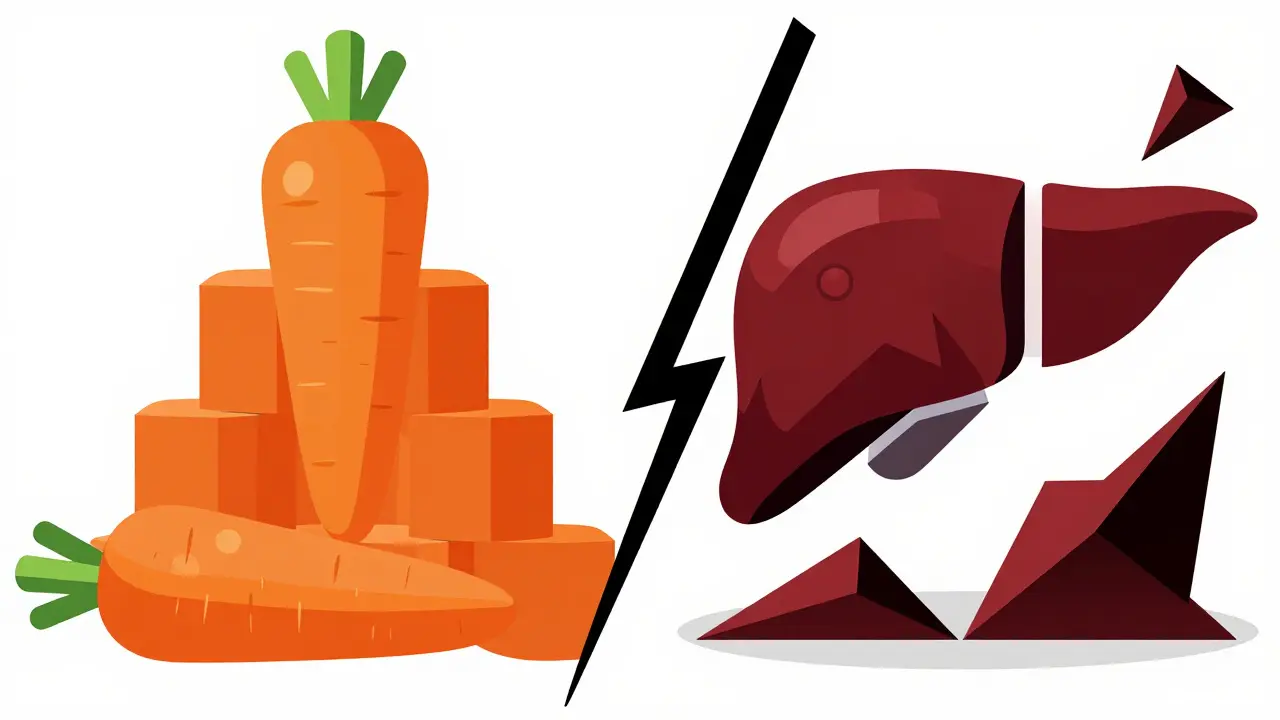
Not all vitamin A is created equal. The risk depends heavily on the form you’re consuming. Preformed vitamin A, found in animal products like liver, fish oils, and supplements containing retinol or retinyl esters, carries significant teratogenic potential. In contrast, provitamin A carotenoids, such as beta-carotene found in carrots and sweet potatoes, pose negligible risk because the body converts them to active vitamin A only as needed.
Here’s a breakdown of the risks associated with different sources:
- Preformed Vitamin A (Retinol/Retinyl Esters): High doses exceeding 10,000 IU daily during pregnancy significantly increase the risk of birth defects. Beef liver, for example, contains about 27,000 IU per 3-ounce serving.
- Synthetic Retinoids (Isotretinoin/Accutane): These carry the highest risk. Even low doses (0.5-1.0 mg/kg/day) can cause major malformations in 20-35% of exposed pregnancies. Isotretinoin is classified as Pregnancy Category X by the FDA, meaning it is contraindicated in pregnancy.
- Beta-Carotene: Considered safe during pregnancy. The body regulates its conversion to active vitamin A, and no upper limit for teratogenicity has been established. Studies show no toxicity even at doses up to 180 mg/day.
- Topical Retinoids (Tretinoin): Generally considered lower risk due to minimal systemic absorption. Plasma concentrations remain below detectable levels after standard application, though caution is still advised.
This distinction is crucial. Many people assume all vitamin A sources are equally risky, leading to unnecessary fear of healthy foods like carrots while potentially overconsuming high-risk supplements or fortified foods.
Real-World Data and Patient Experiences
The numbers tell a stark story. According to the FDA’s iPLEDGE program data from 2022, isotretinoin increases the risk of fetal malformations by 25-fold compared to baseline population rates. Between 2010 and 2020, the FDA’s Adverse Event Reporting System documented 127 confirmed cases of isotretinoin-related birth defects, with 89% involving cardiac or central nervous system issues.
Patient experiences highlight the human cost of these statistics. On Reddit’s r/acne community, user ‘AcneWarrior2021’ shared a heartbreaking account in June 2023: “My dermatologist didn't properly explain the pregnancy risks with Accutane-I got pregnant 3 weeks after my last dose and had to terminate due to confirmed risk of craniofacial defects.” Conversely, on BabyCenter forums, user ‘HealthyMama2022’ noted switching to beta-carotene-only prenatal vitamins after her OB warned against liver and cod liver oil supplements, feeling much safer as a result.
These stories underscore a critical gap: inadequate counseling. The National Birth Defects Prevention Network reports that 15-20% of women with vitamin A-related birth defects had no prescription retinoid exposure but consumed excessive dietary vitamin A through supplements or liver products. Confusion between safe beta-carotene sources and dangerous preformed vitamin A remains widespread.
Regulatory Safeguards and Risk Management
Given the severe risks, regulatory bodies have implemented strict controls. The FDA’s iPLEDGE program, mandated since 2006, requires women of childbearing potential prescribed isotretinoin to undergo two negative pregnancy tests, receive monthly counseling, and use two forms of contraception. This program has reduced pregnancy rates among users from 3.7% in 2002 to 0.7% in 2022. Similar programs exist globally, including the European Medicines Agency’s Pregnancy Prevention Programme and Health Canada’s AccuTrack system.
For general nutrition, guidelines are equally clear. The American College of Obstetricians and Gynecologists (ACOG) recommends avoiding daily vitamin A supplementation exceeding 10,000 IU during pregnancy. The World Health Organization sets an upper limit of 3,000 μg RAE (10,000 IU). Yet, challenges persist. ConsumerLab.com found in 2022 that 45% of prenatal vitamins contain vitamin A in retinyl palmitate form, and 73% of vitamin A supplements contain preformed vitamin A rather than safer beta-carotene.
| Source/Form | Teratogenic Risk | Key Characteristics | Recommended Limit in Pregnancy |
|---|---|---|---|
| Preformed Vitamin A (Retinol) | High | Found in animal products, stored in liver | <10,000 IU/day |
| Isotretinoin (Accutane) | Very High | Synthetic, short half-life, high potency | Contraindicated |
| Beta-Carotene | Negligible | Provitamin, regulated conversion | No established upper limit |
| Topical Tretinoin | Low | Minimal systemic absorption | Caution advised |
Practical Steps for Patients and Providers
If you’re planning a pregnancy or currently pregnant, here’s what you need to do:
- Review Your Supplements: Check labels for preformed vitamin A (retinol, retinyl palmitate). Opt for prenatal vitamins with beta-carotene instead.
- Avoid High-Risk Foods: Limit consumption of beef liver and fish oils. One 3-ounce serving of beef liver exceeds the daily safe limit.
- Disclose All Medications: Inform your healthcare provider about any topical or oral retinoids you’re using. Do not stop prescription medications without consulting your doctor.
- Understand Contraception Requirements: If prescribed isotretinoin, adhere strictly to the iPLEDGE program requirements, including dual contraception methods.
- Ask Questions: Don’t hesitate to ask your provider about the vitamin A content in recommended supplements or medications.
Healthcare providers play a pivotal role in risk mitigation. Proper management includes understanding conversion factors (1 IU retinol = 0.3 μg RAE; 1 IU beta-carotene = 0.05 μg RAE) and recognizing high-risk dietary sources. Despite 92% compliance with prescribing guidelines among board-certified dermatologists, only 58% compliance exists among general practitioners, highlighting areas for improvement in patient education.
Future Directions and Ongoing Research
Research continues to evolve. The FDA’s 2023 draft guidance proposes expanded pregnancy testing requirements for all systemic retinoids. Meanwhile, scientists are developing non-teratogenic retinoid analogs. LGD-1550, currently in Phase II trials, shows comparable efficacy to isotretinoin without teratogenic effects in animal models. The Vitamin A Safety Consortium, funded by NIH, is working on standardized patient education materials to reduce inadvertent exposure, with preliminary data showing a 32% improvement in knowledge retention.
Long-term, we may see increased regulatory scrutiny of dietary sources. The European Food Safety Authority maintained its 3,000 μg RAE upper limit for pregnant women in 2022, but mandatory labeling changes for high-vitamin A foods could emerge by 2026. Global disparities remain a concern, with teratogenic retinoid exposure rates 8.3 times higher in low-resource settings due to inadequate contraception access and medication regulation.
Is it safe to take vitamin A supplements during pregnancy?
It depends on the form. Preformed vitamin A (retinol) supplements should be avoided if they exceed 10,000 IU daily. Beta-carotene supplements are generally considered safe as the body regulates their conversion to active vitamin A. Always consult your healthcare provider before starting any new supplement during pregnancy.
How long should I wait after stopping isotretinoin before trying to conceive?
The FDA recommends waiting at least one month after stopping isotretinoin before attempting pregnancy. However, some related retinoids like acitretin require a much longer washout period of up to two years due to their longer elimination half-lives. Always follow your healthcare provider’s specific advice based on your medical history.
Can eating carrots cause birth defects?
No. Carrots contain beta-carotene, a provitamin A carotenoid. The body converts beta-carotene to active vitamin A only as needed, making it very difficult to reach toxic levels through diet alone. There are no documented cases of beta-carotene causing birth defects in humans.
Are topical retinoids like tretinoin safe during pregnancy?
Topical retinoids are generally considered lower risk than oral formulations due to minimal systemic absorption. Studies show plasma concentrations remain below detectable levels. However, most regulatory agencies and healthcare providers still recommend caution and advise against use during pregnancy to eliminate any potential risk.
What are the symptoms of vitamin A toxicity?
Acute vitamin A toxicity can cause nausea, vomiting, dizziness, blurred vision, and headache. Chronic toxicity may lead to bone pain, liver damage, skin peeling, and hair loss. In pregnancy, the primary concern is teratogenicity, which manifests as congenital malformations in the fetus rather than direct symptoms in the mother.




Cici arya Arya June 13, 2026
so basically if you eat carrots you're fine but if you take a pill you might kill your baby? makes total sense to me. also why is everyone so obsessed with liver anyway it tastes like dirt and regret.
Glenn Davis June 15, 2026
Typical FDA overreach. They want to control what women eat next. Keep your government hands off my plate. :)
Brett Webster June 16, 2026
The distinction between preformed vitamin A and provitamin A carotenoids is critical here, and often misunderstood by the general public. Preformed vitamin A (retinol) is stored in the liver and can accumulate to toxic levels relatively quickly if supplementation isn't carefully monitored. In contrast, beta-carotene conversion is tightly regulated by the body's enzymatic processes, meaning excess intake simply doesn't convert into active retinol. This physiological safeguard is why dietary sources like sweet potatoes or carrots pose virtually no teratogenic risk, whereas high-dose supplements containing retinyl palmitate do. It is essential for patients to read labels meticulously, as many 'natural' supplements still contain synthetic or animal-derived forms of vitamin A that bypass this regulatory mechanism.
rebecca torres June 17, 2026
people need to stop assuming all vitamins are safe just because they are sold in a bottle. reading the label takes five seconds. if it says retinol stay away during pregnancy unless your doctor explicitly tells you otherwise. beta carotene is the way to go simple as that. i see so many people panic about eating spinach which is ridiculous.
Hailey Dunston June 18, 2026
One must appreciate the sheer audacity of suggesting that natural foods are inherently safer than pharmaceutical interventions without acknowledging the nuanced bioavailability differences. It is quite pretentious to assume that the average consumer possesses the biochemical literacy to distinguish between retinyl esters and carotenoids based on a blog post. Furthermore, the notion that 'beta-carotene is safe' ignores the potential for hypercarotenemia, albeit cosmetic, which can cause significant social anxiety in professional settings where appearance matters. We should not dismiss the aesthetic consequences of these dietary choices merely because they lack acute teratogenicity. The elitist perspective demands we consider the holistic impact of our nutritional decisions, including their visual ramifications. :)
Erin Livengood June 18, 2026
It’s fascinating how our bodies are designed with such intricate safety valves, isn’t it? The fact that beta-carotene waits for an invitation before transforming into active vitamin A feels like a biological courtesy. I always think about how nature provides these gentle buffers, unlike the blunt force of synthetic analogs. It makes me wonder if we could learn more from these organic rhythms in other areas of health, perhaps even in how we approach mental well-being. There’s a poetry in the way cells decide when to act and when to wait. It reminds us that patience is often built into our very DNA. Maybe we should slow down a bit and let our bodies handle the conversions at their own pace rather than forcing outcomes with high-dose pills. It’s a beautiful reminder of balance.
Lee Coates June 20, 2026
Lol yeah because nothing says 'safe' like trusting a drug company's word on birth defects. Good luck with that. ;)
shreya sinha June 21, 2026
It is truly disheartening to observe the widespread ignorance regarding the ethical implications of consuming excessive amounts of preformed vitamin A during gestation, especially when clear scientific evidence has been available for decades. One cannot help but feel a profound sense of moral outrage when considering that preventable congenital anomalies continue to occur due to a lack of basic nutritional literacy among expectant mothers who prioritize convenience over caution. The failure of healthcare providers to adequately counsel patients on the distinct risks associated with retinol versus beta-carotene represents a systemic neglect of duty that borders on negligence, and it is imperative that we hold both individuals and institutions accountable for this lapse in judgment. Until society places a higher value on informed decision-making and rigorous adherence to established medical guidelines, we will continue to witness unnecessary suffering that could have been avoided with minimal effort and attention to detail.
Cecilia McGuinness June 21, 2026
honestly this is super helpful info. i was worried about my prenatal having too much vit a but now i know to check for beta carotene instead. thanks for clarifying! its scary how easy it is to get confused with all the different types out there.
Miranda River June 22, 2026
typo alert: its not 'teratogenic' its 'terrorgenic' lol. just kidding but seriously who reads these long articles anymore. most people just scroll past. also why is liver so popular? it looks gross. i bet those researchers were biased against liver lovers. probably just jealous of the iron content. whatever. science is boring anyway.
Aditya Singh June 24, 2026
From a pharmacokinetic standpoint, the half-life of isotretinoin necessitates strict adherence to the washout period protocols outlined by regulatory bodies. The metabolic clearance via hepatic cytochrome P450 enzymes ensures that residual concentrations drop below teratogenic thresholds within the recommended timeframe, provided there are no genetic polymorphisms affecting enzyme activity. It is crucial to emphasize that individual variability in metabolism can alter these kinetics, thus personalized monitoring remains the gold standard in clinical practice. We must also consider the emerging data on non-teratogenic analogs like LGD-1550, which offer promising therapeutic indices without the embryotoxic liabilities of traditional retinoids. This evolution in medicinal chemistry reflects a broader trend towards targeted molecular interventions with improved safety profiles.
Sherry Wheeler June 26, 2026
Oh my goodness, this really opened my eyes! I had no idea that something as common as liver could be so risky. It’s terrifying to think about how close we walk to danger every day without knowing it. But then again, there’s hope in knowledge, right? Knowing the difference between beta-carotene and retinol gives us power. We can make choices that protect our little ones. It’s a beautiful thing to realize that our bodies have these amazing safeguards, like the beta-carotene conversion process. It makes me feel grateful for the complexity of life. Let’s spread this awareness with love and care, ensuring no one else has to face the heartbreak mentioned in those stories. We are stronger together when we share this vital information.
Brandon Brodsky June 27, 2026
Sure, keep telling yourself that topical tretinoin is 'low risk.' Because clearly, absorbing chemicals through your pores is totally harmless. Classic denial. Everyone thinks they’re special until they’re not. Enjoy your glowing skin while you ignore the warning labels. Real heroes don’t need warnings.
Daniella Renzon June 29, 2026
Hey guys, just wanted to say this is really important stuff. I’m glad we’re talking about it openly. It’s easy to get overwhelmed by all the medical jargon, but breaking it down helps. Remember to chat with your doc about your specific needs. You’ve got this! Taking care of yourself is the best gift you can give your future family. Stay calm and informed.