Generic Drug Prices: What You Really Pay and Why It Matters
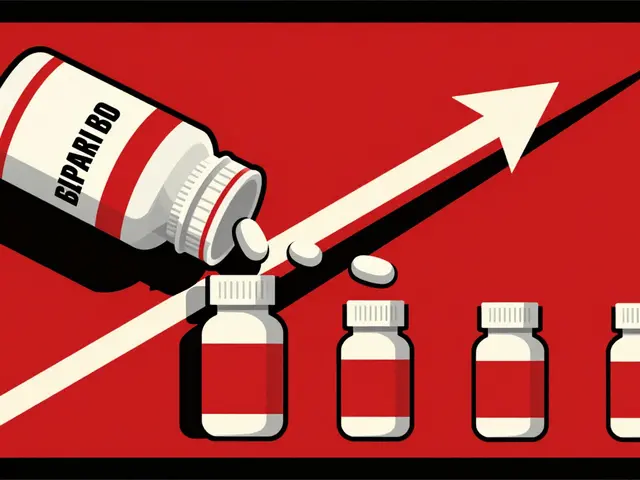
When you hear generic drug prices, the cost of medications that contain the same active ingredients as brand-name drugs but are sold without a brand label. Also known as off-patent drugs, they make up over 90% of prescriptions in the U.S. and save patients and the system billions every year. But here’s the thing—just because they’re generic doesn’t mean all prices are the same. One pill might cost $2. Another, the exact same drug, might be $15. Why? It’s not about quality. It’s about supply, competition, and who’s making it.
Generic drugs, medications approved by the FDA as bioequivalent to brand-name versions aren’t cheaper because they’re less effective—they’re cheaper because manufacturers don’t have to repeat expensive clinical trials. The Hatch-Waxman Act, a 1984 U.S. law that created a faster, cheaper path for generic approval made this possible. But over time, the market changed. When only one company makes a generic, prices spike. When five or six are competing, prices crash. Some generics now cost less than a coffee. Others? They’re still out of reach because the market collapsed and no one wants to make them anymore.
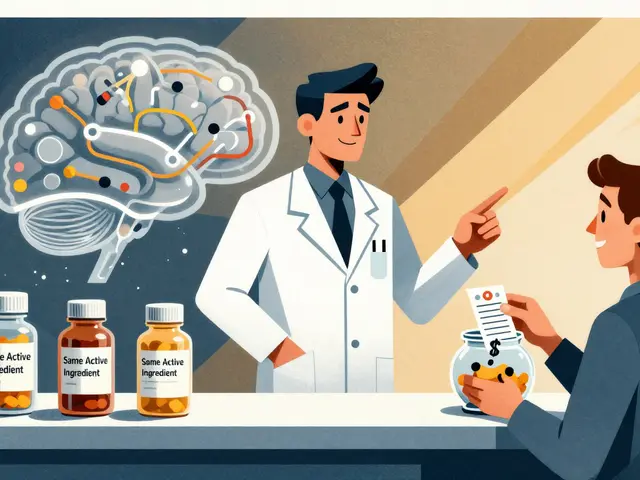
It’s not just about the pill in the bottle. Pharmacist responsibilities, the legal and ethical duties when substituting generics for brand-name drugs play a role too. In some states, pharmacists must get your okay before switching. In others, they can swap automatically—unless the drug has a narrow therapeutic index, like warfarin or thyroid meds, where even tiny differences matter. That’s why some people notice changes after switching, even if the label says it’s the same.
And then there’s the system behind it. Generic drug manufacturers, companies that produce off-patent medications, often operating on razor-thin margins are walking a tightrope. Some make billions on complex generics—like inhalers or injectables. Others are losing money on simple pills because the bidding wars have driven prices down to pennies. When a manufacturer quits making a drug, shortages happen. When they exit, prices jump. It’s not magic. It’s business.
What you pay at the pharmacy depends on where you live, which insurer you have, whether you use a coupon, and even which warehouse your drug shipped from. A 30-day supply of metformin? Could be $4 at Walmart. Could be $40 at a local pharmacy without a discount program. That’s not a mistake. That’s how the system works.
Below, you’ll find real stories and facts about how these prices are set, who wins and loses, and what you can actually do to pay less without risking your health. From how the FDA approves generics to why some drugs vanish from shelves, you’ll see the full picture—not the marketing version. No fluff. Just what matters to your wallet and your health.
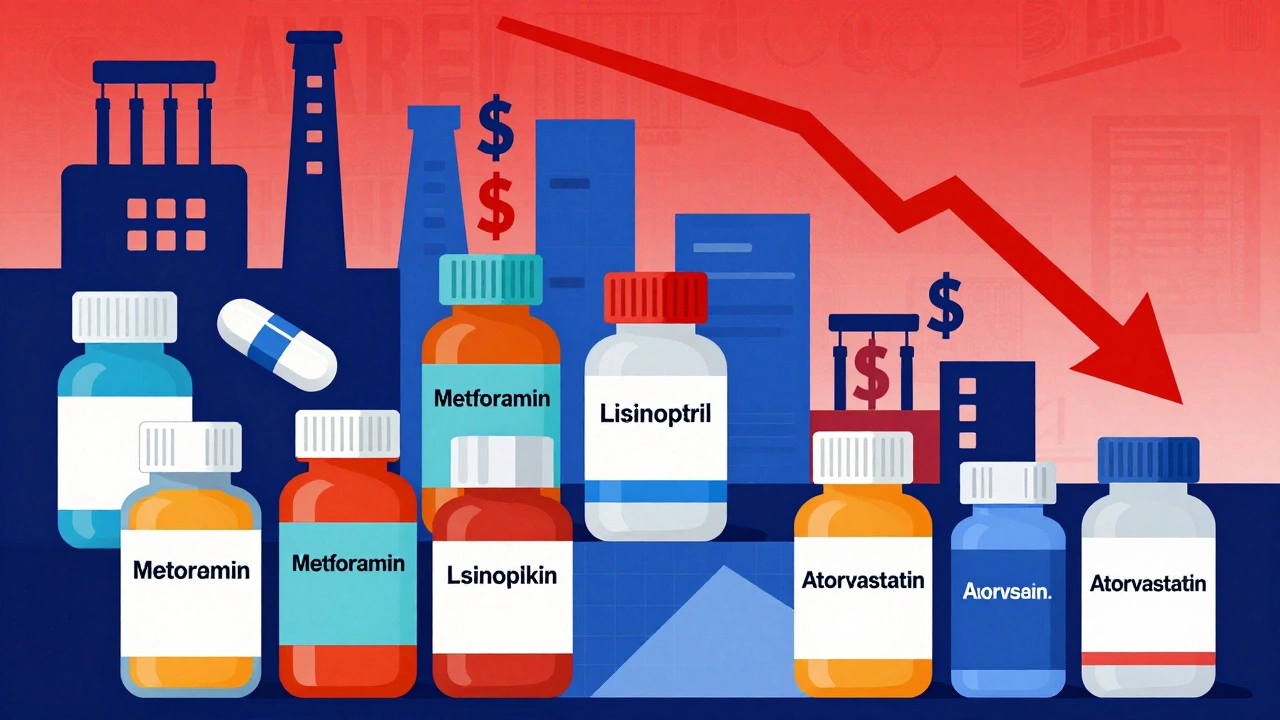
How Multiple Generic Drug Manufacturers Lower Prices
Multiple generic manufacturers drive down drug prices through competition, saving patients billions. Learn how the number of makers affects cost, why some drugs stay expensive, and how to save on prescriptions.