NSAID Side Effects: What You Need to Know Before Taking Them
When you reach for NSAIDs, nonsteroidal anti-inflammatory drugs used to reduce pain, fever, and inflammation. Also known as non-opioid painkillers, they’re among the most common medications people take daily—from headaches to sore muscles. But what most don’t realize is that these pills aren’t harmless, even when bought without a prescription.
Take ibuprofen, a widely used NSAID found in brands like Advil and Motrin. It’s easy to pop one after a long day, but regular use can silently damage your stomach lining, leading to ulcers or dangerous bleeding. Naproxen, another common NSAID sold as Aleve, carries similar risks—and it sticks around in your system longer, raising the chance of side effects. Even people who think they’re fine because they don’t feel pain are still at risk. Your stomach doesn’t scream before it bleeds. Your kidneys don’t warn you before they start failing.
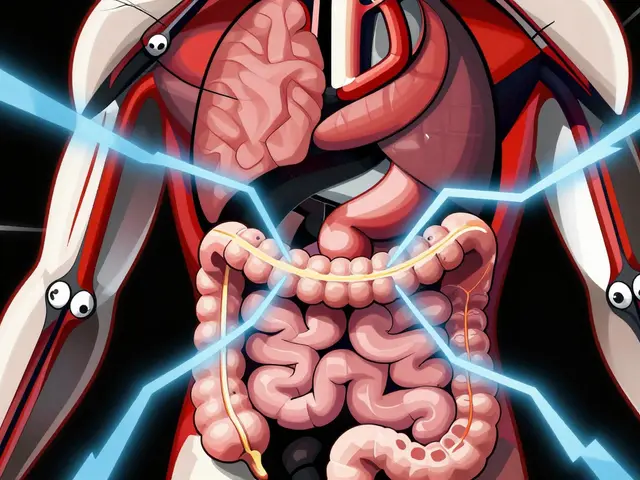
NSAIDs don’t just hurt your gut. They reduce blood flow to your kidneys, which can cause sudden kidney injury, especially in older adults or those with high blood pressure. People with heart disease face higher risks of heart attack or stroke when using these drugs long-term. And if you’re taking blood thinners, antidepressants, or even some herbal supplements, NSAIDs can turn harmless-seeming pills into dangerous combinations. NSAID side effects aren’t rare—they’re predictable. Studies show up to 1 in 5 regular users develop gastrointestinal issues. Many don’t even connect their stomach pain, bloating, or fatigue to the painkiller they’ve been taking for months.
Some people swear by NSAIDs. Others avoid them entirely. The truth? It’s not about avoiding them completely—it’s about knowing when they’re worth the risk. If you’re using them for a sprained ankle, fine. If you’re taking one every day for chronic back pain, you need a better plan. There are safer alternatives: physical therapy, acetaminophen for pain without inflammation, or even lifestyle changes that reduce the need for pills altogether.
The posts below break down real cases where NSAIDs caused harm—and how people avoided it. You’ll find what doctors don’t always tell you about celecoxib, how long-term use affects older adults, and which people should never touch these drugs. No fluff. Just what you need to decide if your next painkiller is helping—or hurting.
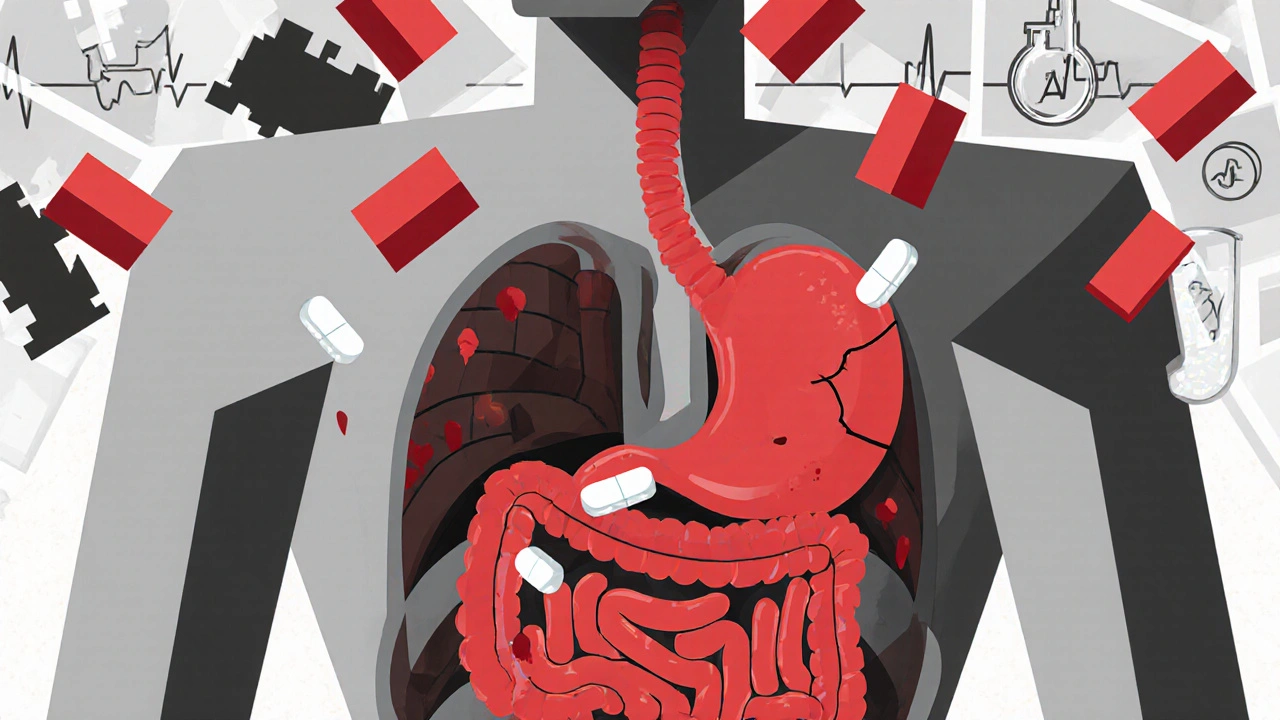
NSAID Safety: Understanding GI Risks, Kidney Effects, and Essential Monitoring
NSAIDs relieve pain but carry hidden risks to your stomach, intestines, and kidneys. Learn the real dangers, who's most at risk, and what tests you need to stay safe.