Walk into any hospital pharmacy in the U.S. today, and you might find a shelf that looks surprisingly empty. It’s not just the expensive specialty drugs; it’s the basic antibiotics, the life-saving chemotherapy agents, and the common anesthetics we rely on every day. This isn’t an isolated incident or a temporary glitch. It is a systemic crisis rooted deep within the generic drug supply chain, which has become fragile, concentrated, and prone to failure.
The core problem? We have built a system where profit margins are razor-thin, manufacturing capacity is barely enough for normal demand, and critical raw materials come from just two countries. When one link breaks-and it always does-the whole chain snaps. Let’s look at exactly why this happens, from the factory floor to the global shipping lanes.
The Economic Trap of Low Margins
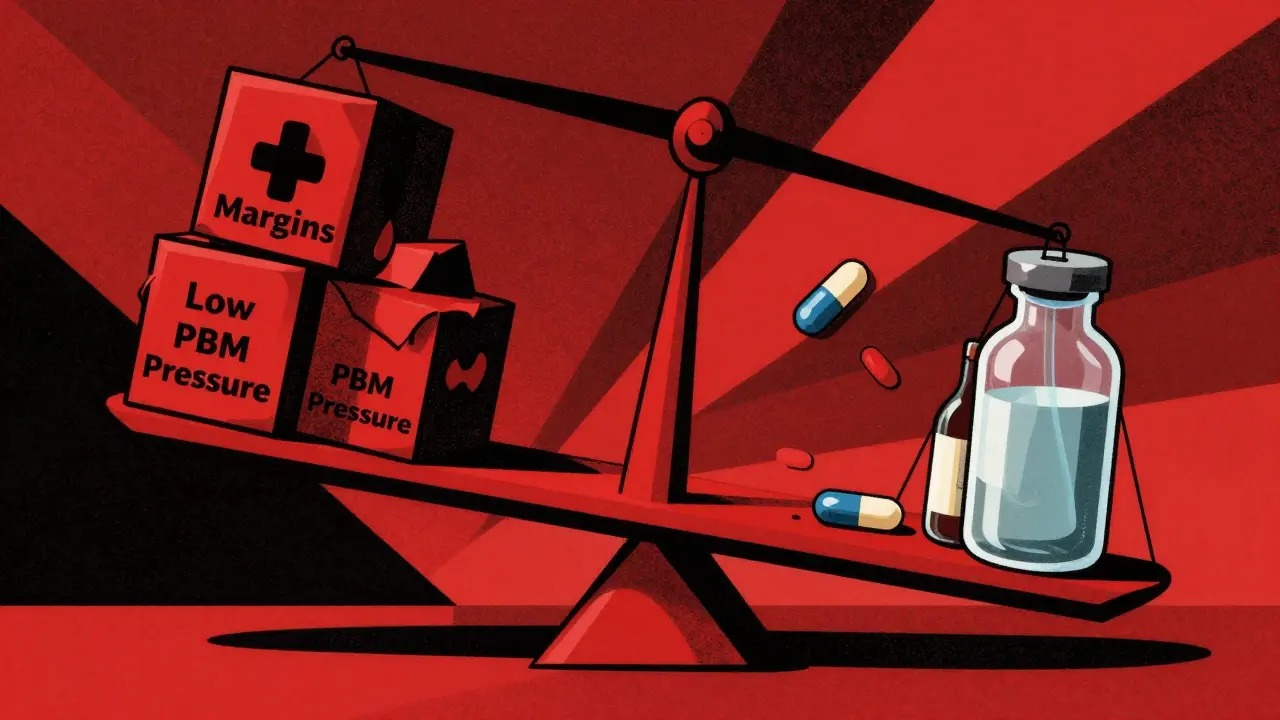
To understand why shortages happen, you first have to look at the money. Or rather, the lack of it. Generic drugs are supposed to be affordable alternatives to brand-name medications, but that affordability comes at a steep cost to manufacturers. While branded drugs can command profit margins of 30% to 40%, generic drugs often operate on margins below 15%. In some cases, they are even lower.
This economic pressure creates a vicious cycle. Manufacturers face intense price competition. To stay in business, they cut costs wherever they can. They reduce safety stocks, delay maintenance, and keep their production lines running at maximum efficiency with zero buffer. There is no "excess capacity" left over to handle a surprise surge in demand or a minor equipment hiccup. If a machine breaks down, there is no backup line ready to take over immediately. The result? Production halts, and the supply dries up almost overnight.
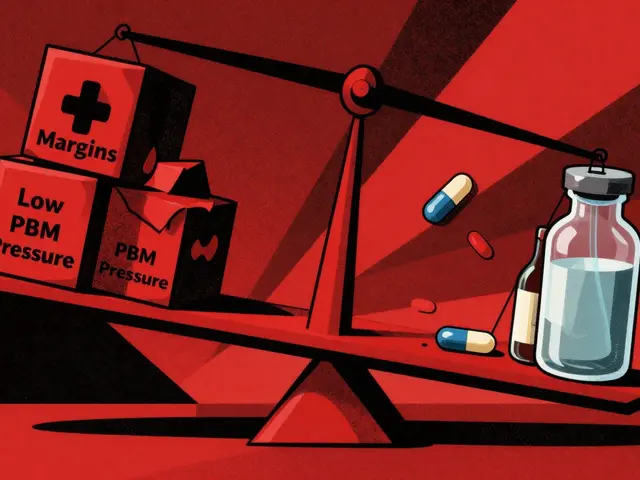
Furthermore, purchasing power in the U.S. market is highly concentrated. A few large Pharmacy Benefit Managers (PBMs) control roughly 85% of prescription drug spending. These PBMs negotiate aggressively for the lowest prices, forcing manufacturers to bid against each other until profits vanish. When a manufacturer loses money on a specific generic drug, they simply stop making it. Over 3,000 generic products have been discontinued since 2010. Fewer manufacturers mean less redundancy, and less redundancy means higher risk.
Manufacturing Failures: The Primary Culprit
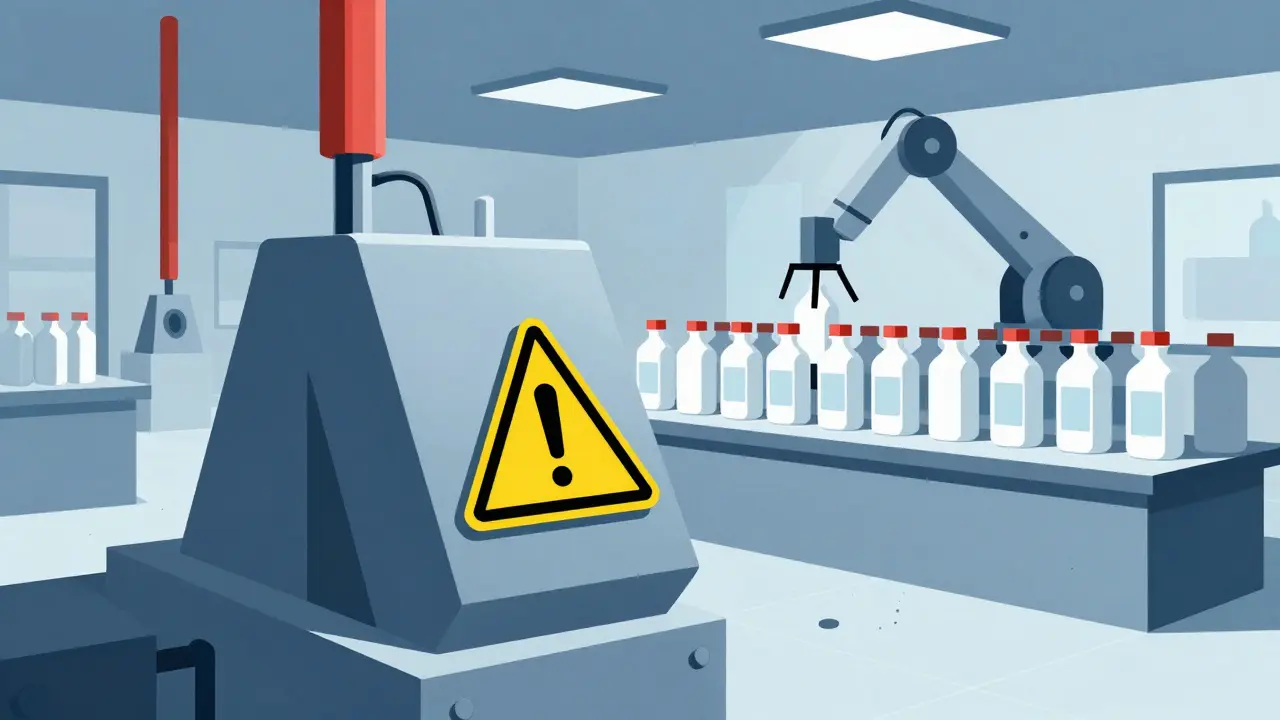
If economics sets the stage, manufacturing failures are the main event. According to data from the U.S. Food and Drug Administration (FDA), manufacturing and quality issues account for about 62% of all reported drug shortages. This is not a guess; it is the dominant technical cause.
What does a "manufacturing issue" actually look like? It rarely involves a single catastrophic explosion. More often, it involves subtle, creeping problems:
- Facility Contamination: Sterile injectables, like IV antibiotics and cancer treatments, require pristine environments. If a facility fails a sterility test, entire batches must be destroyed. Restarting takes weeks.
- Equipment Failures: Old machinery breaks down. Because manufacturers run lean, they don’t have spare parts inventory or backup machines. Repairs can take months.
- Regulatory Compliance Holds: The FDA inspects facilities regularly. If inspectors find deviations-such as poor record-keeping or inadequate cleaning protocols-they can place a hold on production until corrective actions are taken. For a company already operating on thin margins, the cost of fixing these issues can be prohibitive, leading them to abandon the product entirely.
The tragedy is that many of these issues are preventable with better investment in quality systems. But when your margin is 2%, investing in redundant equipment or extra staff feels like suicide. So, companies gamble on things going right. And when they don’t, patients pay the price.
The Global Bottleneck: Active Pharmaceutical Ingredients
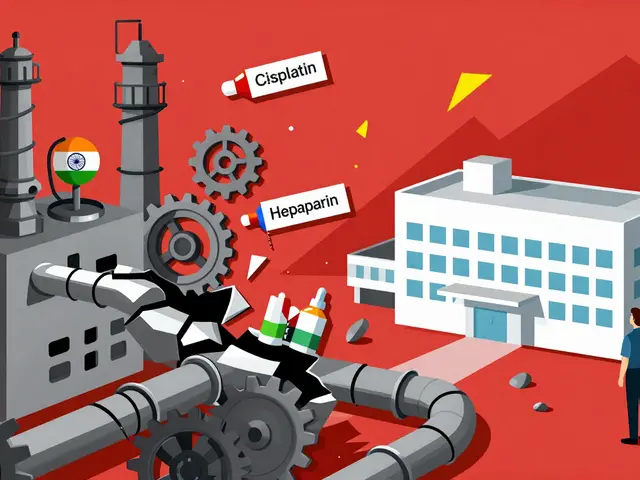
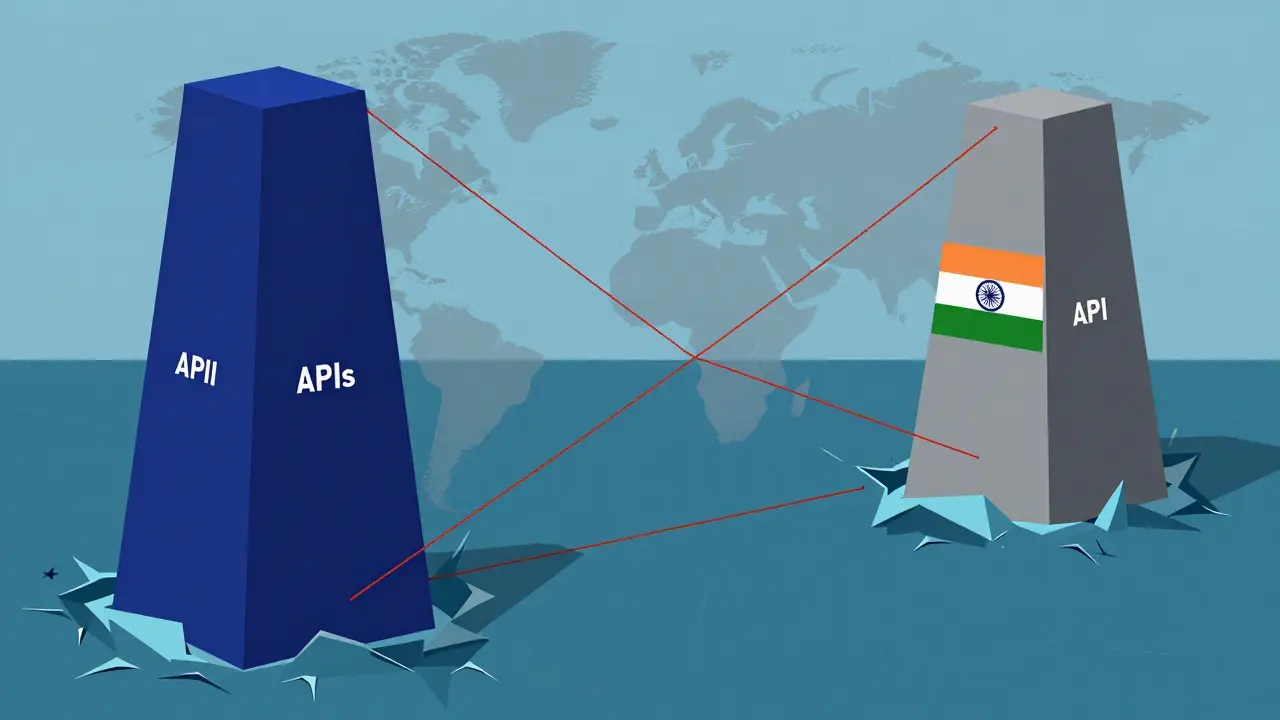
A finished pill is only as good as its ingredients. The active ingredient inside the pill is called the Active Pharmaceutical Ingredient (API). Here is where the supply chain gets truly precarious. Approximately 80% of the world’s APIs are manufactured in just two countries: China and India.
This geographic concentration is a massive single point of failure. If a port in Shanghai closes due to a labor strike, or if environmental regulations tighten in Gujarat, India, the flow of raw materials to U.S. manufacturers stops. You can have a perfectly functioning factory in Ohio, but if you don’t have the powder to put in the pills, you’re producing nothing.
The situation is exacerbated by the fact that most API manufacturing facilities are located outside the United States. As of recent reports, nearly half of the FDA-registered finished dosage form facilities are also abroad. This global reliance means that local disruptions-like weather events, political instability, or pandemics-have immediate ripple effects across continents. The COVID-19 pandemic was a stark reminder of this vulnerability, causing the second-highest number of drug shortages on record in 2020.
| Vulnerability Factor | Impact on Supply | Primary Cause |
|---|---|---|
| Low Profit Margins | Reduced investment in redundancy | PBM pricing pressure |
| Geographic Concentration | Total halt if source country disrupts | 80% of APIs from China/India |
| Lean Manufacturing | No buffer for demand spikes | Cost-cutting measures |
| Quality Control Fails | Batch rejection and production holds | Inadequate facility maintenance |
U.S. vs. Canada: Why Resilience Differs
You might wonder if this is purely an American problem. Not entirely, but the severity is. Research comparing the U.S. and Canadian markets reveals that while both countries face similar supply chain shocks, Canada handles them much better. Why?
Canada has a more cooperative ecosystem. Regulatory agencies, public payers, hospitals, and manufacturers work together closely. They share data openly and plan jointly. In contrast, the U.S. system is fragmented. PBMs, insurers, hospitals, and manufacturers often operate in silos, competing rather than collaborating.
Another key difference is strategic stockpiling. Canada maintains reserves specifically designed to mitigate drug shortages. The U.S., however, relies on the Strategic National Stockpile, which is designed for acute emergencies like terrorist attacks or mass casualty events, not for chronic, slow-burning shortages of generic antibiotics. Without a dedicated reserve for everyday generics, the U.S. healthcare system is left exposed to every minor hiccup in the global supply chain.
The Human Cost of Systemic Failure
Behind every statistic is a patient waiting for care. Drug shortages force clinicians to make difficult choices. They may substitute a therapy that is less effective or has worse side effects. They may delay surgery because the necessary anesthetic isn’t available. In cancer care, delays in chemotherapy can impact survival rates.
Hospital pharmacists report spending 50-75% more time managing shortages than they did decades ago. Instead of focusing on patient care, they are hunting for supplies, calling distributors, and rationing what little stock they have. This administrative burden drains resources and morale, further straining an already overwhelmed healthcare system.
The lack of transparency makes it worse. In one study, a quarter of all shortage reports failed to specify a reason. Hospitals and doctors are left guessing whether a drug will arrive next week or never. This uncertainty prevents proper treatment planning and increases anxiety for everyone involved.
Pathways to a More Resilient Future
Solving this crisis requires more than just hoping for better luck. It demands structural reform. Several initiatives are currently underway, though progress is slow.
Legislation like the Rolling Active Pharmaceutical Ingredient and Drug Reserve (RAPID) Reserve Act aims to create strategic reserves for critical generic drugs and incentivize domestic manufacturing. The goal is to diversify sources and ensure that essential medicines are always available, regardless of global disruptions.
Regulatory scrutiny is also increasing. The Federal Trade Commission (FTC) is investigating the role of PBMs in driving down prices to unsustainable levels. By holding these middlemen accountable, regulators hope to restore healthy profit margins that allow manufacturers to invest in quality and redundancy.
Ultimately, resilience requires cooperation. Manufacturers need to accept that low-cost production cannot come at the expense of reliability. Policymakers need to incentivize the production of lower-margin generics. And healthcare providers need better tools to predict and respond to shortages before they reach the shelves. Until then, the cycle of scarcity will likely continue, reminding us that our health depends on a supply chain that is far too fragile.
Why are generic drugs more likely to go out of stock than brand-name drugs?
Generic drugs have much lower profit margins (often under 15%) compared to brand-name drugs (30-40%). This forces manufacturers to operate with minimal excess capacity and high cost-efficiency. When a small disruption occurs, such as equipment failure or regulatory hold, they lack the financial buffer to quickly ramp up production elsewhere, leading to shortages.
What percentage of drug shortages are caused by manufacturing issues?
According to FDA data, manufacturing and quality issues account for approximately 62% of all drug shortages. These include contamination events, equipment failures, and compliance holds that halt production.
Where do most Active Pharmaceutical Ingredients (APIs) come from?
About 80% of the world's APIs are manufactured in China and India. This geographic concentration creates a significant vulnerability, as disruptions in these regions can halt production globally.
How do Pharmacy Benefit Managers (PBMs) contribute to drug shortages?
PBMs control about 85% of prescription drug spending in the U.S. Their aggressive negotiation for the lowest prices squeezes manufacturer margins. This financial pressure discourages manufacturers from maintaining redundant supply chains or investing in quality improvements, making shortages more likely.
Why is Canada better at handling drug shortages than the U.S.?
Canada has a more collaborative healthcare system with closer ties between regulators, payers, and manufacturers. Additionally, Canada maintains strategic stockpiles specifically for drug shortages, whereas the U.S. stockpile is focused on acute emergencies like terrorism.