
When you pick up a prescription, you probably think the pharmacist is just filling your order. But in reality, many pharmacists are doing something far more important - they’re helping you stay healthy by making sure every pill you take is the right one, at the right dose, and at a price you can afford. This is where medication therapy management comes in - and it’s changing how generic drugs are used in real-world care.
What Exactly Is Medication Therapy Management?
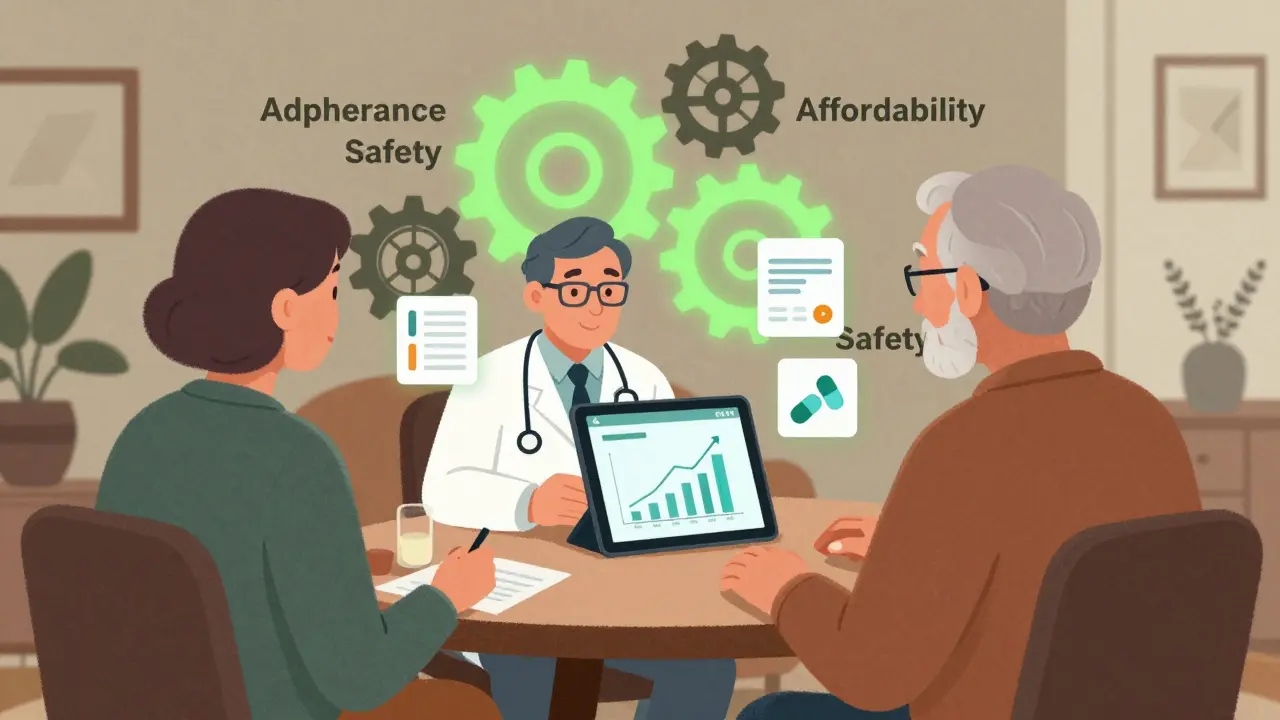
Medication Therapy Management, or MTM, isn’t just a buzzword. It’s a structured service where pharmacists sit down with patients - usually for 20 to 40 minutes - and review every medication they’re taking, from prescription drugs to over-the-counter pills and supplements. The goal? To fix problems before they become emergencies. Think of it like a full car inspection, but for your meds. The pharmacist checks if each drug is still needed, if it’s working, if it’s safe with the others, and whether there’s a cheaper version that does the same thing. In the U.S., Medicare Part D has required insurers to offer MTM to high-risk patients since 2006. And it’s not just for seniors - employers and private insurers are rolling it out too, because the numbers don’t lie: patients who get MTM are 18.7% more likely to take their meds as prescribed.Why Pharmacists Are the Best People for This Job
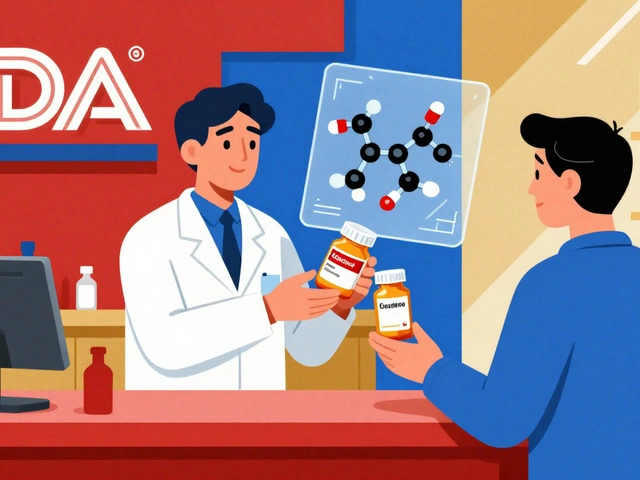
Doctors have a lot on their plates - diagnosing, ordering tests, managing chronic conditions. But they rarely have time to dig into every pill a patient takes. Nurses might catch a missed dose. But only pharmacists are trained to see the full picture of drug interactions, dosing errors, and therapeutic equivalence. A 2022 study found that pharmacists running MTM sessions identify an average of 4.2 medication-related problems per patient. That’s not one or two mistakes - it’s a whole list of risks: duplicate therapies, dangerous combinations, pills that don’t match the diagnosis. And here’s the kicker: 37% of the cost savings from MTM come from switching patients to generic drugs that are just as effective. Pharmacists use tools like the FDA’s Orange Book to confirm whether a generic drug is truly equivalent. For most meds - like blood pressure pills or cholesterol drugs - the answer is yes. But for drugs with a narrow therapeutic index (like warfarin or levothyroxine), they go deeper. They check bioequivalence data, monitor lab results, and sometimes even talk to the prescriber before making a switch.Generic Drugs: The Hidden Power Move in MTM
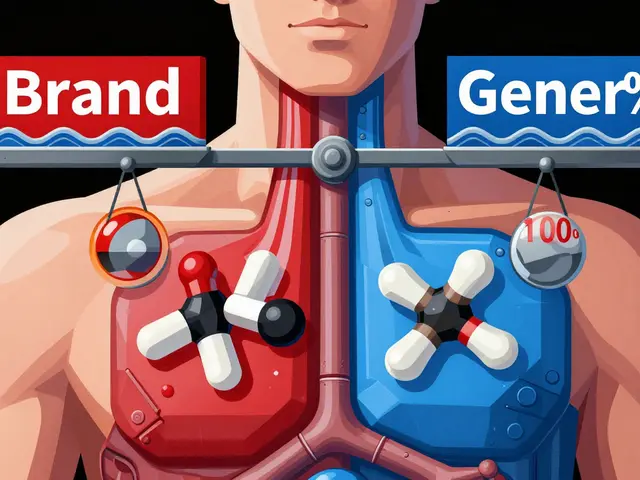
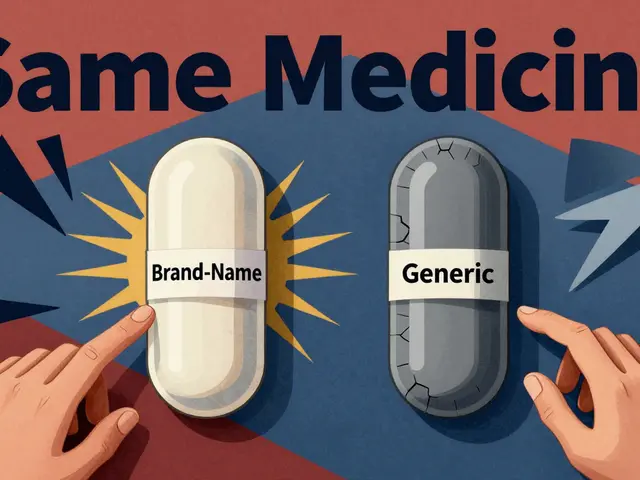
Let’s talk about money. Brand-name drugs can cost hundreds of dollars a month. The generic version? Often $15. And the FDA says they’re the same - same active ingredient, same strength, same way the body absorbs it. But patients don’t always believe that. Some think generics are “weaker.” Others worry about side effects. One Reddit user shared a story about a patient who cried because her $400 inhaler was switched to a $15 generic. The pharmacist didn’t just make the change - they sat with her, showed her the FDA data, explained how the active ingredient was identical, and even called her doctor to confirm the switch. That patient didn’t just save money - she stopped skipping doses because she could finally afford her meds. MTM pharmacists don’t just swap pills. They educate. They listen. They track outcomes. In one HealthPartners study, patients who got MTM with a focus on generics saved an average of $287 per month. That’s not a small number - it’s groceries, rent, gas. For people on fixed incomes, it’s life-changing.
How MTM Differs From Regular Pharmacy Service
Most pharmacy interactions last about 1.7 minutes. It’s a quick exchange: “Here’s your script. Take it with food. Any questions?” MTM is different. It’s proactive. It’s personal. It’s scheduled. Instead of waiting for a problem to happen - like a hospital visit from a bad drug interaction - the pharmacist steps in before it happens. Here’s how it works in practice:- They collect a full list of all medications - including vitamins, herbs, and painkillers bought online.
- They check for duplicates (e.g., two different pills with the same active ingredient).
- They look for drugs that don’t match the diagnosis (like a statin prescribed for high cholesterol but the patient’s labs are normal).
- They identify cost barriers and suggest lower-cost alternatives, especially generics.
- They create a simple, written action plan the patient can keep - no jargon, just clear steps.
Real Results: Numbers That Matter
The data doesn’t sugarcoat it. MTM works.- Medication errors drop by 61% when pharmacists lead the review.
- Hospital readmissions within 30 days fall by 23%.
- Patients save an average of $214 per month just from switching to generics.
- 89% of participants say they understand their meds better after an MTM session.
- 76% report better adherence - meaning they actually take their pills.





Stephen Rock January 20, 2026
Pharmacists are just glorified cashiers with a pharmacy degree. Stop pretending they're doctors. If you need a 40-minute consultation, see a doctor. This MTM nonsense is just a way to pad their hours and bill Medicare for fluff.
Also, generics? My cousin got a generic blood pressure med and ended up in the ER. Coincidence? I think not.
Amber Lane January 22, 2026
My grandma started MTM last year. She hasn't been to the hospital since.
Andrew Rinaldi January 23, 2026
It's interesting how we've outsourced so much of our healthcare to people who aren't doctors. Maybe it's not about who does it, but that someone is finally paying attention to the whole picture. The system's broken, but pharmacists are patching it with patience.
Gerard Jordan January 25, 2026
This is the kind of stuff that makes me proud to be American 🇺🇸
Pharmacists are unsung heroes. My mom was on 7 meds, couldn't afford them, and after MTM? Now she's on 3 generics, feels better, and has extra cash for her grandkids. 💪💊❤️
Someone should make a documentary about this.
Samuel Mendoza January 26, 2026
Generics are just as effective. The FDA says so. End of story.
Glenda Marínez Granados January 27, 2026
Ah yes, the noble pharmacist, saving us from our own stupidity and the evil pharma giants. Meanwhile, my insurance still won't cover my thyroid med unless I try 3 generics first. Thanks for the TED Talk, but my co-pay's still $120. 😌
Coral Bosley January 28, 2026
I used to think pharmacists were just there to hand out pills. Then I got prescribed a combo that made me feel like I was being slowly poisoned by my own body. The pharmacist caught it before I even noticed. She sat with me for an hour. Didn't charge me. Didn't even charge my insurance. I cried. Not because I was sick. Because someone finally saw me as a person, not a prescription number. I don't know how to repay that. I just... I just want everyone to have that.
MAHENDRA MEGHWAL January 29, 2026
This is a commendable initiative. In India, the role of pharmacists remains largely confined to dispensing, with minimal patient interaction. The structured approach described here reflects a significant advancement in pharmaceutical care delivery. One must acknowledge the systemic challenges in resource-constrained settings, yet the model presented offers a compelling blueprint for global adaptation.
Dee Monroe January 30, 2026
You know what's beautiful about MTM? It's not just about the pills. It's about the silence between the questions. The way the pharmacist leans in when you say, 'I stopped taking it because I couldn't afford it.' They don't judge. They don't rush. They just say, 'Okay, let's fix this.' And then they do. I've seen people come in angry, broken, defeated - and leave with a list of meds they can actually afford and a new sense of control over their life. That's not healthcare. That's dignity. And it's not expensive. It's just human. Why don't we do more of this? Why do we keep treating medicine like a transaction instead of a relationship?
Ben McKibbin January 31, 2026
The data here is solid - 61% reduction in medication errors, 76% improved adherence. But let’s not romanticize the profession. Pharmacists are trained to manage drug interactions, not to be therapists, social workers, or financial advisors. MTM works because it’s structured, evidence-based, and properly reimbursed - not because pharmacists are magical. The real issue is that our healthcare system forces them into roles they weren’t trained for, then underpays them for it. Fix the reimbursement model, not the expectations.
Melanie Pearson February 1, 2026
This is a textbook example of why America is collapsing. We've outsourced medical decision-making to people with no clinical authority. Pharmacists are not doctors. They don't have the training. They don't have the license. And now we're letting them rewrite prescriptions based on cost? This is dangerous. What's next? Nurses prescribing antibiotics? Pharmacy techs doing diagnoses? This isn't innovation - it's deregulation disguised as compassion.
Rod Wheatley February 1, 2026
YES. YES. YES. I work in a pharmacy and I’ve seen this firsthand. One guy came in for his insulin - $450 a month. We switched him to a generic, called his doctor, got it approved, walked him through the new pen, set up a refill reminder. He cried. Not because he was sick - because he could finally feed his kids. That’s not a job. That’s a calling. And we need MORE of this. Not less. Stop talking about reimbursement. Start talking about human lives. 🙌
Jerry Rodrigues February 2, 2026
I’ve never heard of MTM until now. Sounds like common sense. Why isn’t this standard everywhere?
Uju Megafu February 3, 2026
I work in a Nigerian pharmacy. We don’t have MTM. We don’t have generics that are FDA-approved. We don’t have insurance. We have people showing up with 12 different bottles from 5 different clinics, all conflicting, all expired, all paid for in cash. And we have to fix it with a calculator and a prayer. You think this is revolutionary? This is survival. And we do it every day. You Americans are lucky you even have a system to complain about.