Baclofen Alternatives: What Works When Baclofen Isn’t Ideal
If baclofen gives you unwanted drowsiness, weakness, or just isn’t helping your spasticity, you’re not alone. Many people search for a drug that eases muscle tightness without the downsides. Below you’ll find the most common prescription swaps, plus a few non‑drug tricks that can make a real difference.
Common Prescription Alternatives
Tizanidine (Zanaflex) is often the first pick after baclofen. It works on a different part of the nervous system, so you may feel less overall fatigue. Start low – 2‑4 mg at bedtime – and let your doctor adjust the dose. Watch for dry mouth and low blood pressure, especially if you stand up quickly.
Gabapentin (Neurontin) isn’t a classic muscle relaxant, but many users report softer spasms and less nerve‑related pain. It’s taken in divided doses, usually 300 mg three times a day, and can cause dizziness or mild swelling. If you have kidney issues, your doctor will lower the dose.
Diazepam (Valium) belongs to the benzodiazepine family. It relaxes muscles quickly, which is handy for acute flare‑ups. Because it can be habit‑forming, most doctors limit it to short‑term use. Side effects include sleepiness and coordination problems.
Baclofen‑free options such as baclofen‑pump implants deliver the drug directly to the spinal fluid, reducing systemic side effects. This isn’t a different drug, but a different delivery method that many patients find gentler.
When switching, never stop baclofen cold turkey. Taper the dose over a week or two while your new medication ramps up. This prevents withdrawal symptoms like anxiety, tremor, or even seizures.
Non‑Drug Strategies Worth Trying
Medications help, but a solid rehab plan can cut the need for higher doses. Physical therapy that focuses on gentle stretching and strength training keeps muscles flexible and reduces spasm frequency. Ask a therapist for a home routine you can do in 10‑15 minutes a day.
Heat and cold therapy are simple yet powerful. A warm shower or heating pad before activity relaxes tight muscles, while an ice pack after a flare‑up eases inflammation. Rotate the two based on how you feel.
Supplements like magnesium or vitamin D may support muscle health. Magnesium glycinate, taken at night, can reduce nighttime cramps for some people. Always check with your pharmacist before adding a new supplement.
Mind‑body techniques such as deep breathing, progressive muscle relaxation, or yoga can lower overall stress, which often worsens spasticity. Even a 5‑minute breathing session before bed can make a noticeable difference.
Finally, keep a symptom diary. Write down the time, activities, and any meds you took before a spasm. Patterns emerge quickly, and you’ll have concrete data to discuss with your doctor.
Switching from baclofen doesn’t have to be a gamble. By pairing a well‑chosen alternative medication with practical lifestyle tweaks, you can find a balance that eases muscle tightness without the unwanted side effects. Talk to your healthcare provider about which option fits your medical history, and start the transition slowly. Your muscles – and your daily life – will thank you.
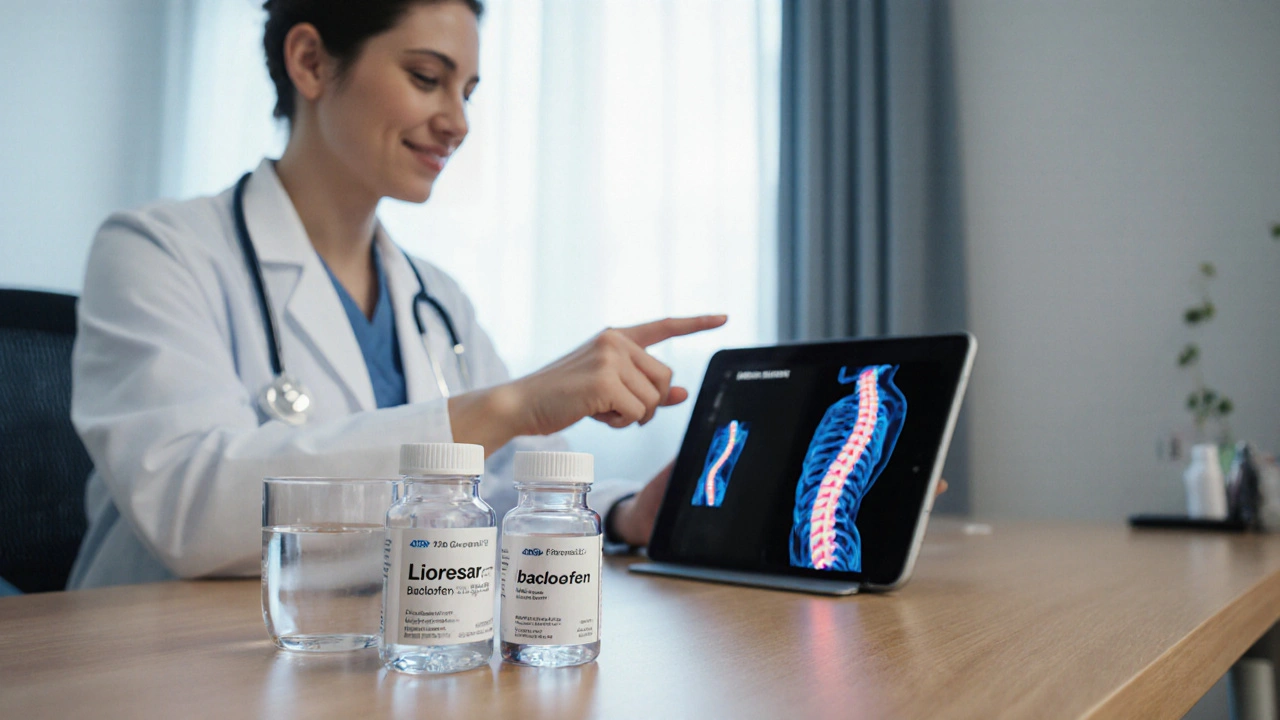
Lioresal vs Alternatives: Which Muscle Relaxant Works Best for You?
A practical side‑by‑side guide comparing Lioresal (baclofen) with tizanidine, diazepam, dantrolene and gabapentin, covering effectiveness, safety, cost and how to choose the right muscle relaxant.