Lactic Acidosis Metformin: Risks, Signs, and What You Need to Know
When you take metformin, a first-line oral medication for type 2 diabetes that helps lower blood sugar by reducing liver glucose production and improving insulin sensitivity. It's one of the most prescribed drugs in the world, safe for millions—but not without rare but serious risks. One of those risks is lactic acidosis, a dangerous buildup of lactic acid in the bloodstream that can lead to organ failure if not treated quickly. This isn’t common, but when it happens with metformin, it’s life-threatening. You don’t need to stop metformin out of fear, but you do need to know the signs, who’s at risk, and what to do next.
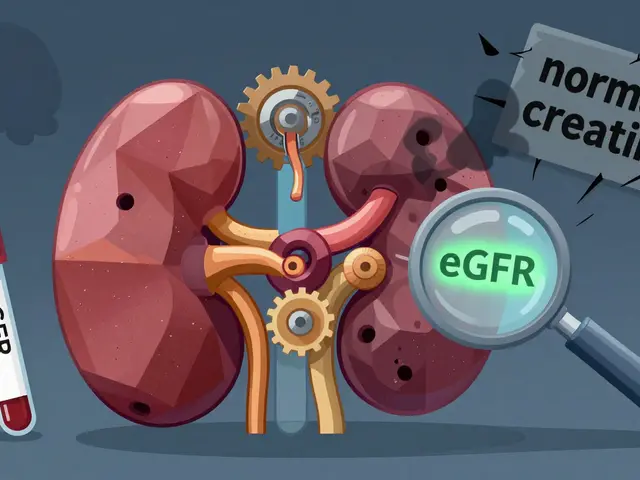
Lactic acidosis from metformin usually shows up when your kidneys aren’t working well. That’s because metformin is cleared from your body through your kidneys. If they’re slow—because of age, dehydration, heart failure, or chronic kidney disease—the drug can build up and trigger acid production in your muscles. Other triggers include heavy alcohol use, severe infections, or recent surgery. People over 65, those with liver disease, or anyone with a history of heart failure should talk to their doctor before starting or continuing metformin. It’s not that you can’t take it—it’s that you need to be watched closer.
The symptoms are subtle at first but get worse fast. You might feel unusually tired, dizzy, or cold. Your breathing gets deep and fast—not because you’re out of shape, but because your body is trying to blow off acid. Nausea, stomach pain, or a slow heartbeat can follow. If you feel this way and are on metformin, don’t wait. Go to the ER. Early treatment saves lives. Most cases happen in people who didn’t realize their kidney function had dropped, or who kept taking metformin after getting sick.
Here’s what you can do: Get your kidney function checked at least once a year if you’re on metformin. More often if you’re older or have other health issues. Drink water, especially when you’re sick or active. Avoid alcohol. Tell every doctor you see that you take metformin—especially before any imaging tests with contrast dye or surgery. Many people don’t realize these procedures can temporarily shut down kidney function, putting them at risk.
The good news? Lactic acidosis from metformin is extremely rare—less than 10 cases per 100,000 people each year. But when it does happen, it’s serious. That’s why awareness matters more than fear. You’re not alone if you’re on this drug. Millions manage it safely every day. The key is knowing your body, listening to warning signs, and staying in touch with your care team.
Below, you’ll find real-world guides on managing diabetes meds safely, spotting hidden risks in common prescriptions, and understanding how other drugs interact with your kidneys and metabolism. These aren’t theoretical—they’re written by people who’ve been there, and they’ll help you stay one step ahead.

Metformin Side Effects: What You Need to Know About GI Issues and Lactic Acidosis
Metformin is the top diabetes medication, but GI side effects are common and lactic acidosis is rare but serious. Learn what causes them, who’s at risk, and how to stay safe while taking it.