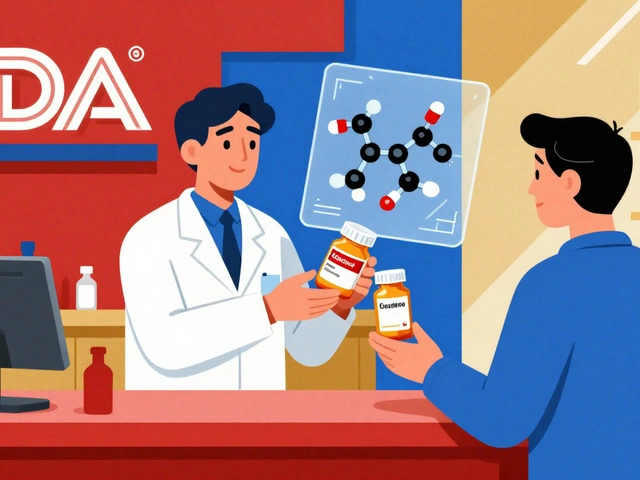
Imagine walking into a pharmacy with a prescription for a life-saving medication. The pharmacist hands you a pill that looks nothing like the one your doctor described-different color, different shape, maybe even a different name on the bottle. But it costs 85% less. Do you take it? For most people, the answer is yes. In fact, about 90% of prescriptions filled in the United States are for generic drugs, which are pharmaceutical equivalents of brand-name medications containing the same active ingredients. Yet, despite their dominance, confusion and fear persist. Are generics truly as effective? Why do some patients swear by the original while others save thousands without issue? This guide cuts through the noise to explain exactly how these medications compare, where they differ, and when you might actually need to pay extra for the brand.
The Core Difference: Same Active Ingredient, Different Price Tag
To understand why generic drugs exist, we have to look at the Hatch-Waxman Act, formally known as the Drug Price Competition and Patent Term Restoration Act of 1984. This legislation created a balance between rewarding innovation (through patents) and encouraging competition (through generics). Before this act, brand-name companies held monopolies indefinitely. Afterward, once a patent expired, other manufacturers could produce the same drug if they met strict regulatory standards.
The key standard is bioequivalence. According to the U.S. Food and Drug Administration (FDA), a generic drug must deliver the same amount of active ingredient into a patient's bloodstream in the same amount of time as the brand-name version. It’s not enough to just contain the same chemical; it has to work the same way in the body. The FDA allows a small margin of error-between 80% and 125% bioavailability-but studies show the average variation is only about 3.5%, which is clinically insignificant for most conditions.
So, what’s the catch? The catch is money. Developing a new brand-name drug costs an estimated $2.6 billion, including years of research and clinical trials. Generic manufacturers don’t repeat those expensive trials. They only need to prove their version is bioequivalent. This massive difference in overhead explains why generics typically cost 80% to 85% less than their brand-name counterparts. For example, atorvastatin (known as Lipitor when branded) dropped from $130 per month to less than $1 per month after generics entered the market.
What Actually Changes? Inactive Ingredients and Appearance
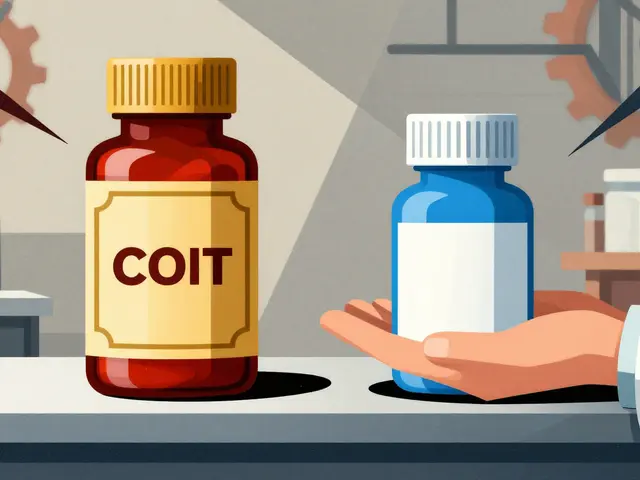
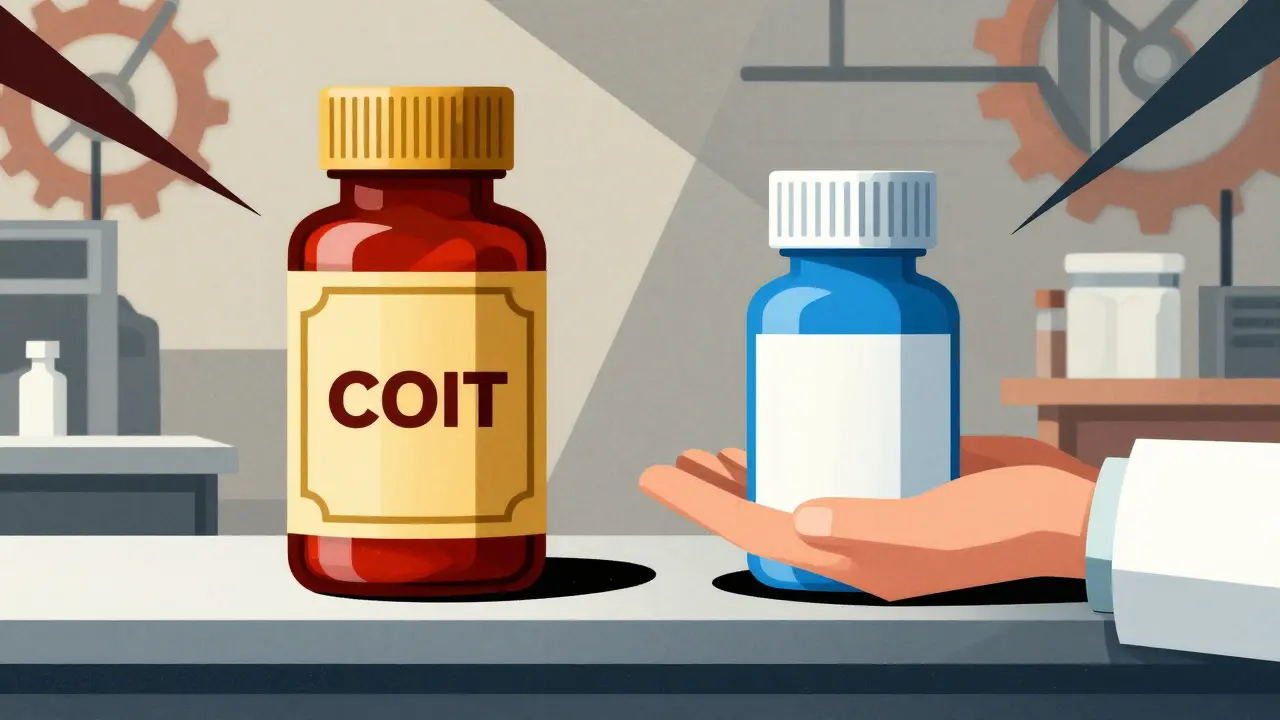
If the active ingredient is identical, why do pills look different? Trademark laws prevent generic manufacturers from making their products look exactly like the brand-name version. So, you’ll see differences in size, shape, and color. More importantly, the inactive ingredients-the fillers, binders, dyes, and preservatives-can vary.
For most people, these inactive ingredients don’t matter. They’re there to hold the pill together or help it dissolve properly. However, for individuals with specific allergies or sensitivities (like gluten intolerance or lactose sensitivity), these differences can be significant. If you’ve ever experienced an unexpected reaction after switching to a generic, check the label for inactive ingredients. While rare, this is the most common reason for adverse effects related to generic substitution.
| Feature | Brand-Name Drug | Generic Drug |
|---|---|---|
| Active Ingredient | Identical chemical compound | Identical chemical compound |
| Bioavailability | Established baseline | Must be within 80-125% of brand |
| Cost | High (recoups R&D costs) | Low (80-85% savings typical) |
| Inactive Ingredients | Fixed formulation | May vary by manufacturer |
| Appearance | Distinctive branding | Varies by manufacturer | d>
| Regulatory Approval | New Drug Application (NDA) | Abbreviated New Drug Application (ANDA) |

The Exception: Narrow Therapeutic Index (NTI) Drugs
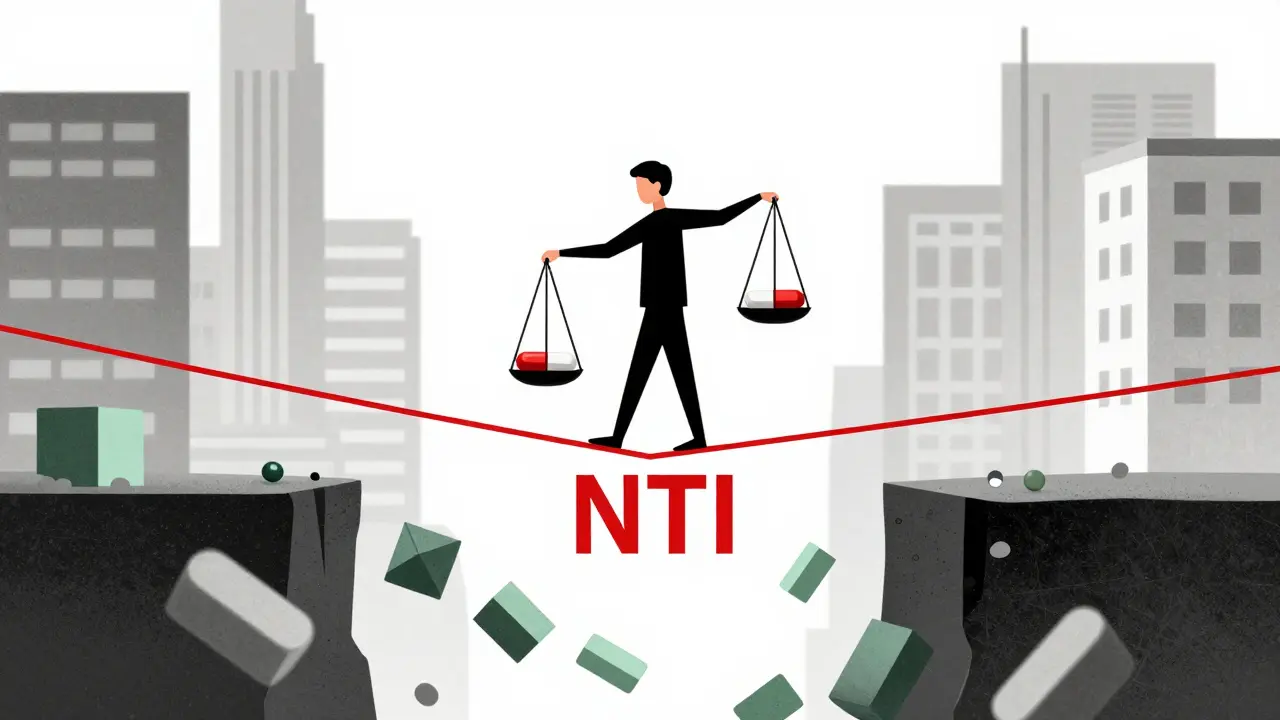
While generics are safe for the vast majority of medications, there is a critical exception. These are called Narrow Therapeutic Index (NTI) drugs, which are medications where small changes in blood concentration can lead to treatment failure or toxicity. Examples include warfarin (a blood thinner), levothyroxine (for thyroid conditions), and certain antiepileptic drugs like phenytoin.
These drugs represent only about 3% of all prescriptions, but they require special attention. Because the window between "effective" and "dangerous" is so slim, even minor variations in absorption caused by different inactive ingredients can matter. Dr. Michael Privitera, Director of the University of Cincinnati Epilepsy Center, noted in a study that switching between different generic formulations of levetiracetam was associated with a 32% increased risk of seizure-related hospitalization.
If you are taking an NTI drug, consistency is key. You don’t necessarily need the brand-name drug, but you should try to stick with the same generic manufacturer. If your pharmacy switches suppliers and you notice side effects or reduced efficacy, talk to your doctor. They may write "dispense as written" on your prescription to ensure you get the exact same product every time.
Real-World Impact: Savings and Healthcare Systems
The economic impact of generic drugs is staggering. From 2007 to 2016 alone, generic medications saved the U.S. healthcare system $1.67 trillion. Medicare saved $77 billion, and Medicaid saved $37.9 billion during that period. Without generics, healthcare costs would be unsustainable for millions of families.
Despite representing 90% of prescriptions dispensed, brand-name drugs account for 74% of total drug spending in the United States. This disparity highlights why insurers and employers strongly encourage generic use. Many insurance plans have lower copays for generics, sometimes covering them entirely while charging significantly more for brand-name alternatives.
However, the rise of biosimilars, which are biologic drugs similar to brand-name biologics, presents a new frontier. Unlike traditional small-molecule generics, biologics are complex proteins made in living cells. Biosimilars must be highly similar but not identical to the reference product. As of 2023, only 35 biosimilars were approved by the FDA, capturing just 3% of the biologics market. Drugs like Humira (adalimumab) are now facing biosimilar competition, promising further savings in the coming years.
Navigating Substitution Laws and Patient Rights
You might wonder why you didn’t get a choice when picking up your prescription. In 49 U.S. states, automatic substitution laws allow pharmacists to dispense a generic unless the prescriber explicitly writes "dispense as written" or "brand medically necessary." This isn’t the pharmacist trying to upsell you; it’s often a legal requirement designed to reduce costs.
If you prefer the brand-name drug, you have options:
- Talk to your doctor: They can specify "brand medically necessary" if there’s a clinical reason.
- Check your insurance: Some plans cover brand names with prior authorization.
- Stick with one pharmacy: Large chains often source from multiple manufacturers. Independent pharmacies may offer more consistency.
Remember, 65% of medication errors related to generics stem from confusion about appearance differences. Don’t assume a different-looking pill is wrong. Check the NDC (National Drug Code) number on the box if you’re unsure.
When to Consider Sticking with Brand-Name
While generics are generally equivalent, there are scenarios where sticking with the brand might make sense:
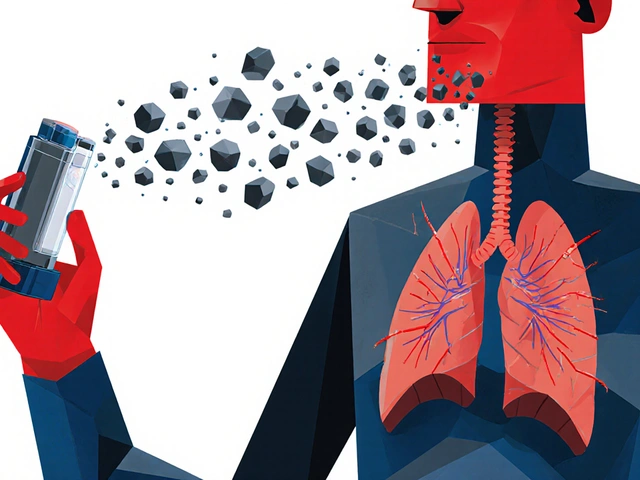
- Complex Delivery Systems: Inhalers, patches, and topical creams have complex mechanisms. The FDA’s Complex Generic Drug Initiative is working on these, but as of 2022, only 12 complex generics were approved compared to hundreds of simple pills.
- Personal Sensitivity: If you’ve tried a generic and experienced side effects linked to inactive ingredients, switch back.
- Stability Concerns: During drug shortages, manufacturers may change formulas. If you rely on precise dosing, monitor any changes closely.
Ultimately, the decision depends on your health needs and financial situation. For most chronic conditions like high blood pressure or diabetes, generics provide reliable, affordable care. For sensitive cases involving NTI drugs or complex biologics, closer monitoring and possibly brand-name adherence may be warranted.
Are generic drugs as safe as brand-name drugs?
Yes. The FDA requires generic drugs to meet the same rigorous standards for quality, strength, purity, and potency as brand-name drugs. They must demonstrate bioequivalence, meaning they work the same way in the body. Over 15,000 generic products have been approved since the Hatch-Waxman Act, proving their long-term safety profile.
Why do generic pills look different from brand-name pills?
Trademark laws prevent generic manufacturers from copying the exact appearance of brand-name drugs. Additionally, generics may use different inactive ingredients (fillers, dyes, binders), which affects color, shape, and size. These differences do not impact the drug’s effectiveness.
What are Narrow Therapeutic Index (NTI) drugs?
NTI drugs are medications where small changes in blood concentration can cause serious side effects or treatment failure. Examples include warfarin, levothyroxine, and some epilepsy drugs. Patients on NTI drugs should maintain consistency with the same manufacturer, whether brand or generic, to avoid variability.
Can I ask my pharmacist not to substitute a generic?
In most states, pharmacists automatically substitute generics unless your doctor writes "dispense as written" or "brand medically necessary" on the prescription. If you prefer the brand, discuss this with your doctor to ensure proper documentation.
How much money do generic drugs save?
Generic drugs typically cost 80% to 85% less than brand-name equivalents. From 2007 to 2016, they saved the U.S. healthcare system $1.67 trillion. This savings helps make essential treatments accessible to millions of patients who might otherwise afford them.