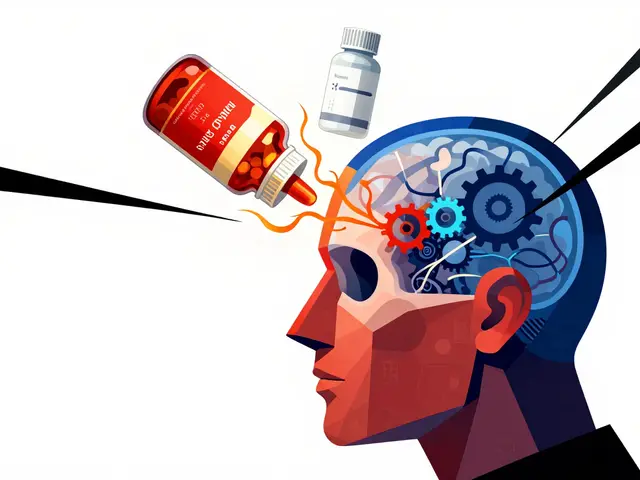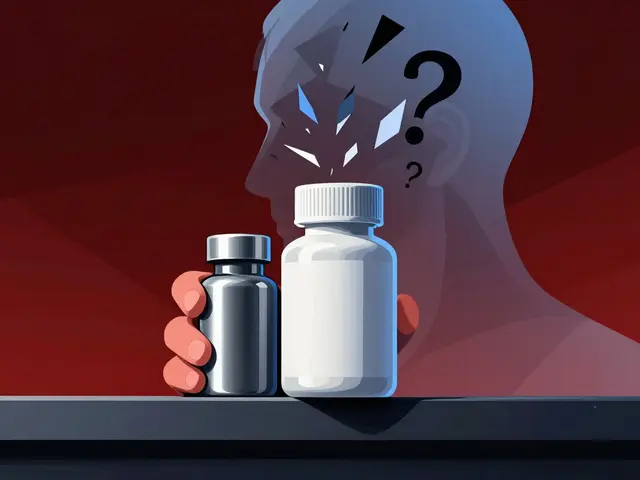
Have you ever switched from a brand-name pill to its generic version and felt like it just didn't work as well? You aren't imagining things, but the problem might not be in the bottle. It’s likely in your head. This phenomenon is known as the placebo effect with generics, a powerful psychological mechanism where identical medication feels less effective simply because it carries a different label or a lower price tag.
We tend to believe that if a drug costs more, it must be better. But when we take a generic version of a medication, our brains can actually dial down the therapeutic response. Understanding this isn't about dismissing your feelings; it's about recognizing how deeply our expectations shape our physical reality. Let's look at why this happens and what you can do about it.
The Science Behind the Label
To understand why generics feel different, we first need to look at what they are. A generic drug contains the same active ingredient, in the same dose, and works the same way in the body as the original brand-name drug. Regulatory bodies like the FDA require these drugs to meet strict standards of bioequivalence. This means the amount of drug absorbed into your bloodstream must fall within an 80-125% range compared to the brand name. In practical terms, for the vast majority of patients, there is no pharmacological difference.
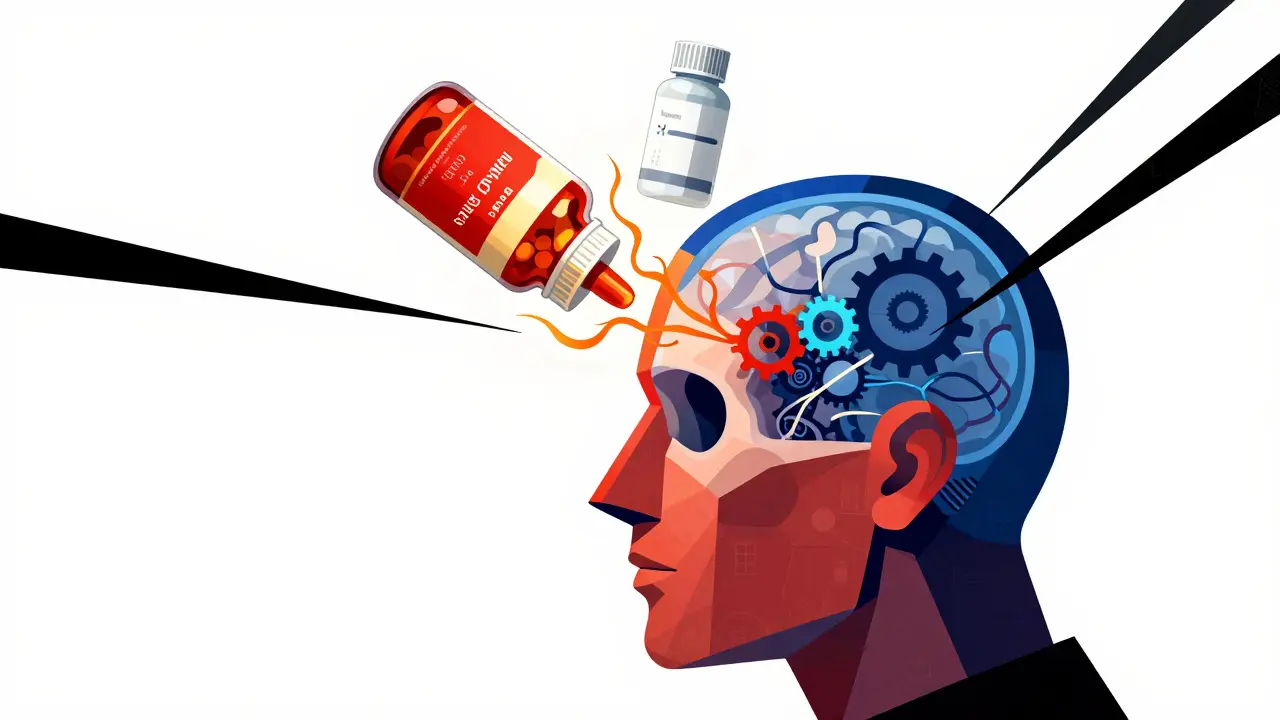
So why does the experience differ? The answer lies in the placebo effect. This is a well-documented medical phenomenon where a patient's belief in a treatment causes real physiological changes. If you believe a treatment will help, your brain releases chemicals like endorphins and dopamine that can alleviate pain, reduce anxiety, or even improve motor function. Conversely, if you doubt the treatment, your brain can trigger the opposite response, known as the nocebo effect, leading to increased symptoms or side effects.
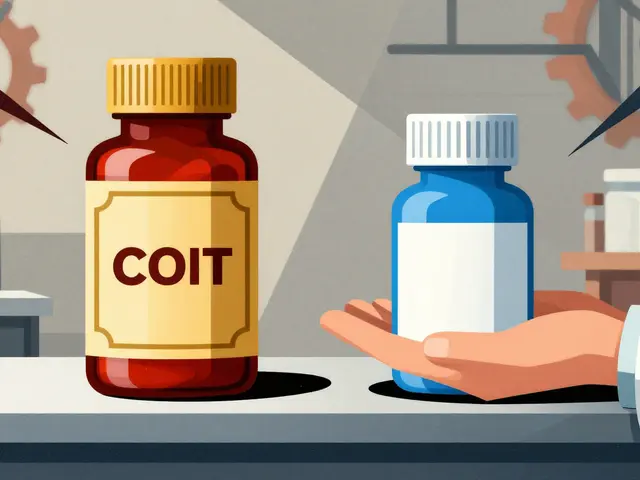
When you switch from a recognizable brand name to a plain white tablet in a generic bottle, that visual cue signals "cheap" or "inferior" to your subconscious. Your brain then reduces its own supportive chemical release, making the drug feel less potent. It’s not that the drug has changed; your body’s reaction to it has.
Key Studies on Perception and Pain
Research has repeatedly shown that labels and prices directly impact how much relief we get from medication. One landmark study conducted by Dr. Kate Faasse at the University of Auckland provides a clear example. Researchers gave participants with headaches either real ibuprofen or a sugar pill (a placebo). Crucially, some pills were labeled as "brand name" and others as "generic."
The results were striking. Participants who received a placebo labeled as a brand name reported significant pain relief-almost equal to those taking actual ibuprofen. However, those who received a placebo labeled as generic reported far less relief. In fact, the brand-labeled placebo was twice as effective as the generic-labeled placebo. This proves that the perception of quality, driven entirely by labeling, alters the physical experience of pain.
Price plays a similar role. A study published in Neurology looked at Parkinson’s disease patients receiving injections. Some were told the injection cost $1,500, while others were told it cost $100. Both groups received the exact same saline solution. The patients who believed they paid $1,500 showed significantly greater improvement in motor skills. Brain scans confirmed that their brains released more dopamine, the neurotransmitter responsible for movement control, simply because they expected a higher-quality treatment.
| Study Context | Condition | Variable Tested | Result |
|---|---|---|---|
| University of Auckland (Faasse et al.) | Headaches | Brand vs. Generic Label on Placebo | Brand-labeled placebo provided 2x more pain relief than generic-labeled placebo. |
| University of Cincinnati | Parkinson’s Disease | $1,500 vs. $100 Price Tag on Placebo Injection | $1,500 group showed 28% greater motor improvement and higher dopamine release. |
| Harvard Medical School | Electric Shock Pain | $2.50 vs. $0.10 Cream | $2.50 cream reduced perceived pain intensity by 37% more than the cheap version. |
| JAMA Internal Medicine Meta-Analysis | Statin Use | Generic vs. Brand Placebo Side Effects | Generic-labeled placebos caused 2.1x more reported muscle pain (nocebo effect). |
The Nocebo Effect: When Doubt Creates Symptoms
If the placebo effect makes you feel better, the nocebo effect makes you feel worse. This is particularly relevant with generic medications. Many patients report experiencing more side effects after switching to a generic, despite the active ingredients being identical. Research suggests this is often due to negative expectations.
A meta-analysis published in JAMA Internal Medicine reviewed trials involving statins (cholesterol-lowering drugs). Patients who were given a placebo but told it was a generic version reported significantly more muscle pain than those told it was a brand name. Specifically, 13.2% of the generic-placebo group reported pain, compared to only 6.3% in the brand-placebo group. Since both groups received zero active drug, the extra pain was purely psychological.
This effect is especially strong in conditions where symptoms are subjective, such as depression, anxiety, and chronic pain. For example, a review in The Lancet Psychiatry found that antidepressant trials using generic labels had lower response rates than those using brand labels. Patients who expect a generic to fail may unconsciously amplify feelings of sadness or fatigue, interpreting normal fluctuations in mood as treatment failure.
Even neurological conditions are not immune. A survey by the Epilepsy Foundation found that nearly 40% of patients reported increased seizures after switching to generic anticonvulsants. However, clinical monitoring revealed that in most cases, seizure frequency hadn't actually changed. The fear of the switch heightened the patients' awareness of their condition, creating a feedback loop of anxiety and perceived worsening.
Why Do We Trust Brands More?
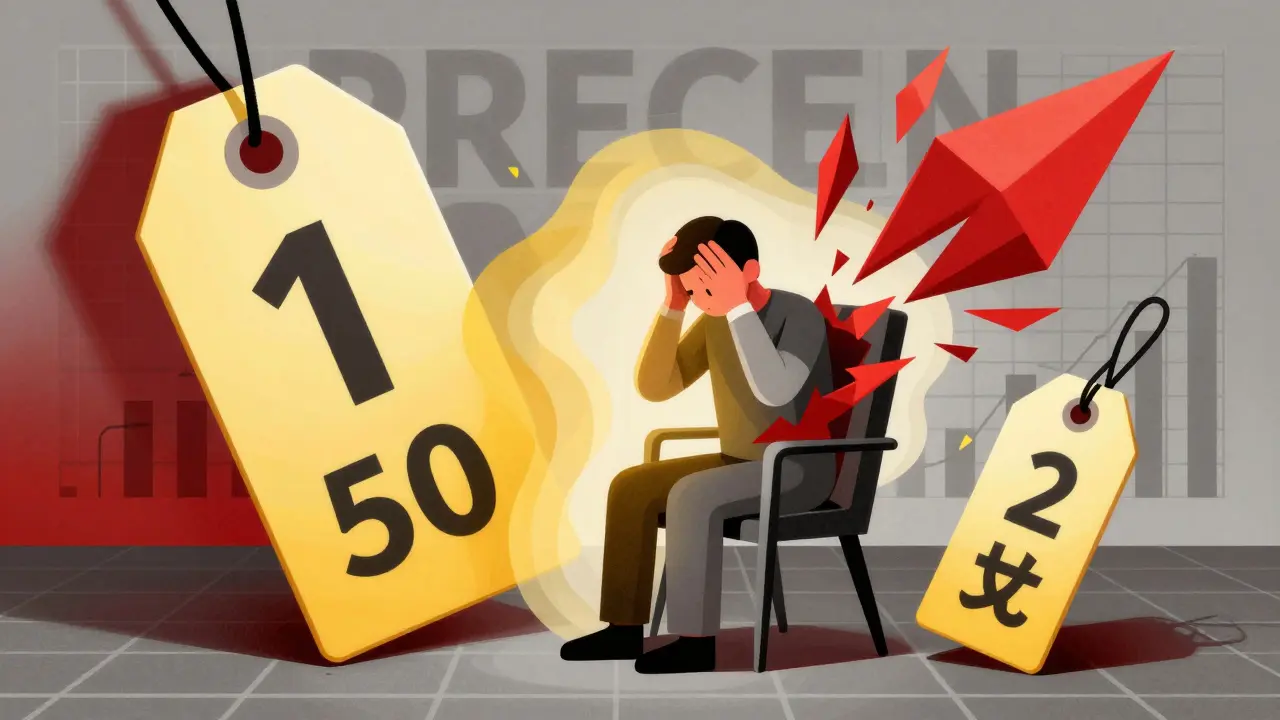
Our preference for brand names isn't irrational; it's rooted in how we process information. Psychologists call this "heuristics"-mental shortcuts we use to make decisions quickly. Price is one of the strongest heuristics for quality. We have been conditioned to believe that higher cost equals higher value. When a drug costs $50 instead of $5, our brains assume the expensive one underwent more rigorous testing or uses superior ingredients.
Marketing also plays a huge role. Brand-name drugs spend billions on advertising, building an emotional connection with consumers. You see ads featuring happy families, vibrant colors, and confident doctors. Generic drugs rarely advertise. They come in plain packaging with minimal branding. This lack of marketing presence can subconsciously signal "second-rate" to patients, even though the manufacturing standards are equally strict.
Additionally, familiarity breeds trust. If you've taken a specific brand for years, it becomes part of your routine. Switching to a new-looking pill disrupts that comfort zone. The change in size, color, or shape of the tablet can serve as a constant reminder that something is "different," keeping your brain in a state of skepticism rather than acceptance.
How Doctors Can Help Bridge the Gap
Physicians play a critical role in managing patient expectations. A study from the University of Chicago demonstrated that brief educational sessions can dramatically improve acceptance of generic drugs. When doctors spent just seven minutes explaining bioequivalence and the science behind generics, patient acceptance jumped from 58% to 89%. Furthermore, adherence rates remained high six months later.
Effective communication involves reframing the narrative. Instead of saying, "This is the cheaper version," doctors can say, "This is the exact same medicine, just without the marketing costs, so it saves you money." This positive framing shifts the focus from potential loss (quality) to gain (savings). Training programs for clinicians, such as those offered by the American Academy of Family Physicians, have shown that improving providers' confidence in discussing generics leads to better patient outcomes.
However, challenges remain. Insurance companies often mandate generic substitutions automatically, sometimes bypassing direct discussion with the patient. This lack of consent can fuel resentment and distrust. Ideally, healthcare systems should encourage proactive counseling, allowing patients to ask questions and voice concerns before the switch occurs.

Practical Tips for Patients
If you're worried about switching to a generic, here are some steps you can take to manage your expectations and ensure the best outcome:
- Talk to your doctor: Share your concerns openly. Ask them to explain why the generic is safe and effective for your specific condition.
- Educate yourself: Read up on bioequivalence. Understanding that the FDA requires generics to perform identically to brands can reduce anxiety.
- Monitor objectively: Keep a symptom diary for two weeks after the switch. Track specific metrics (e.g., blood pressure readings, pain scale scores) rather than relying on general feelings. This helps distinguish real physiological changes from psychological ones.
- Give it time: Allow your body and mind to adjust. The initial shock of the change can amplify the nocebo effect. Most patients find that any perceived differences fade after a few weeks.
- Consider packaging: Some studies suggest that "premium" packaging for generics can reduce nocebo complaints. While you can't always choose the package, knowing that aesthetics influence perception can help you detach the look of the pill from its efficacy.
The Economic Impact of Perception
The placebo and nocebo effects with generics aren't just personal issues; they have massive economic implications. The U.S. generic drug market is worth over $265 billion annually. Generics account for 90% of prescriptions but only about 24% of drug spending. Despite these savings, persistent skepticism costs the healthcare system an estimated $1.2 billion each year in unnecessary brand-name prescriptions.
Moreover, non-adherence due to nocebo effects contributes to hundreds of billions in avoidable medical costs. When patients stop taking their generic blood pressure medication because they feel it "isn't working," they risk heart attacks and strokes. These preventable hospitalizations strain the system and harm individuals. Addressing the psychological barriers to generic use is therefore a public health priority.
Innovative solutions are emerging. Digital tools, such as apps that visualize drug equivalence, and blockchain technology to verify manufacturing quality, aim to build trust through transparency. As education improves and stigma decreases, experts predict that generic non-adherence will drop significantly in the coming decade, saving billions and improving health outcomes.
Are generic drugs really the same as brand-name drugs?
Yes, generic drugs contain the same active ingredient, dose, and strength as brand-name drugs. They must meet FDA standards for bioequivalence, meaning they work the same way in the body. Differences may exist in inactive ingredients like dyes or fillers, but these do not affect therapeutic effectiveness for most people.
Why do I feel more side effects with my generic medication?
This is likely the nocebo effect. If you expect a generic to be inferior, your brain may interpret normal bodily sensations as side effects. Studies show that patients reporting more side effects with generics often experience this due to negative expectations rather than pharmacological differences.
Can the placebo effect cure serious diseases?
No, the placebo effect cannot cure diseases like cancer or bacterial infections. However, it can significantly influence subjective symptoms such as pain, nausea, and fatigue. It enhances the effectiveness of real treatments by boosting the body's natural healing responses, but it does not replace necessary medical intervention.
Should I stay on brand-name drugs if I can afford them?
For most medications, staying on brand-name drugs offers no additional health benefit. However, if you have experienced genuine adverse reactions to multiple generic formulations, talk to your doctor. In rare cases, sensitivity to inactive ingredients may warrant sticking with a specific brand. Otherwise, generics provide the same efficacy at a lower cost.
How can I overcome my distrust of generic medications?
Start by educating yourself on the regulatory standards for generics. Discuss your concerns with your healthcare provider and ask for evidence-based reassurance. Keep a symptom journal to track objective data rather than relying on feelings. Over time, as you see consistent results, your trust in the medication will likely grow.