celecoxib side effects
When dealing with celecoxib side effects, the unwanted reactions that can occur while taking the arthritis drug celecoxib. Also known as Celebrex adverse effects, they range from mild stomach upset to serious heart problems. celecoxib, a selective COX‑2 inhibitor used for pain and inflammation belongs to the larger family of NSAIDs, non‑steroidal anti‑inflammatory drugs that reduce pain and swelling. celecoxib side effects encompass gastrointestinal ulcers, sores in the stomach or intestinal lining caused by irritation and can increase cardiovascular risk, the chance of heart attack or stroke linked to medication use. Understanding these connections helps you stay alert and act early.
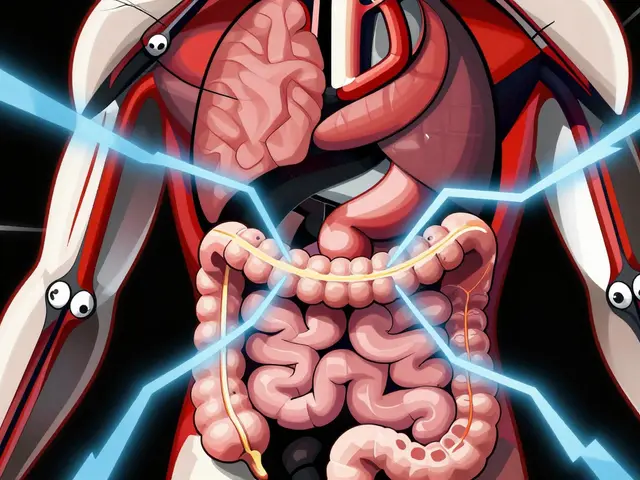
Gastro‑intestinal problems are the most common complaints. Even though celecoxib targets COX‑2, it still can irritate the stomach lining, especially if you skip food. Symptoms like nausea, heartburn, or dark stools may signal an ulcer forming. If you have a history of ulcer disease, the drug’s impact on gastrointestinal ulcers becomes a bigger concern. Regular monitoring, using a proton‑pump inhibitor, and avoiding alcohol can lower the odds of a bleed.
Heart‑related worries often get less attention, but they matter. Celecoxib, like many NSAIDs, can raise blood pressure and promote clot formation, which in turn ramps up cardiovascular risk. People with existing heart disease, high cholesterol, or who smoke should talk to a doctor before starting therapy. The drug’s label even warns that long‑term use may increase the chance of a heart attack or stroke, especially at higher doses.
Kidney function is another piece of the puzzle. NSAIDs reduce blood flow to the kidneys, and celecoxib is no exception. If you notice swelling, reduced urine output, or sudden weight gain, it could be a sign of reduced kidney performance. Simple blood tests (creatinine, eGFR) before and during treatment give a clear picture and help catch problems early.
Interactions with other medicines can turn a mild side effect into a serious one. Blood thinners like warfarin, other NSAIDs, or steroids amplify bleeding risk. Antidepressants such as SSRIs also increase gastrointestinal bleed chances. Always list every prescription, over‑the‑counter pill, and supplement you take so the pharmacist can spot risky combos.
Risk factors aren’t limited to other drugs. Age matters—people over 65 tend to experience more adverse events. A past ulcer, uncontrolled hypertension, or chronic kidney disease each adds a layer of danger. Knowing your personal risk profile lets you and your doctor choose the safest dose or consider a different pain strategy.
Mitigating side effects is doable with a few habits. Take celecoxib with food or a glass of milk to cushion stomach irritation. Stick to the lowest effective dose and avoid long‑term use unless necessary. Periodic lab work (liver enzymes, kidney function) and blood pressure checks keep you in the clear. If you need additional pain relief, a doctor may suggest a short course of a traditional NSAID combined with a gastro‑protective agent.
When should you call a professional? Severe stomach pain, vomiting blood, black stools, sudden shortness of breath, or chest pain are red flags that demand immediate attention. Even less dramatic symptoms—persistent headache, dizziness, or swelling in the ankles—deserve a quick check‑in because they can hint at hidden complications.
Alternatives and complementary approaches
If the side‑effect profile feels too risky, explore alternatives. Acetaminophen (paracetamol) offers pain relief without the same heart or gut risks, though it isn’t an anti‑inflammatory. Physical therapy, weight management, and low‑impact exercise can reduce joint stress without medication. For those who still need a prescription, doctors might try a different COX‑2 inhibitor or a traditional NSAID with a built‑in protective strategy.
Below you’ll find a curated list of articles that dive deeper into each of these topics—dosing tips, drug interaction guides, safety monitoring, and more. Whether you’re new to celecoxib or looking to fine‑tune your regimen, the collection provides practical insight to help you manage side effects confidently.
Celecoxib and Cancer Prevention: Latest Research Findings
Explore the latest research on celecoxib's role in cancer prevention, its effectiveness, safety concerns, and how it compares to other NSAIDs.