Dietary Iron: Why It Matters and How to Get More of It
Iron is the mineral that carries oxygen in your blood. Without enough of it, you’ll feel tired, weak, and have trouble focusing. The good news? You can solve most iron issues with the right foods and a few smart habits. Below we’ll break down the top iron sources, common pitfalls, and easy ways to make every bite count.
Top Iron-Rich Foods to Fill Your Plate
Not all iron is created equal. There are two types: heme iron (found in animal products) and non‑heme iron (found in plants). Heme iron is easier for the body to absorb, but non‑heme iron can still meet your needs if you pair it with the right helpers.
- Red meat – Beef, lamb, and pork liver contain the highest concentrations of heme iron.
- Poultry – Chicken and turkey provide a modest amount of heme iron, especially in dark meat.
- Seafood – Oysters, mussels, and sardines are excellent sources; a small serving can supply a third of daily needs.
- Legumes – Lentils, chickpeas, and black beans pack a punch of non‑heme iron and also give you fiber.
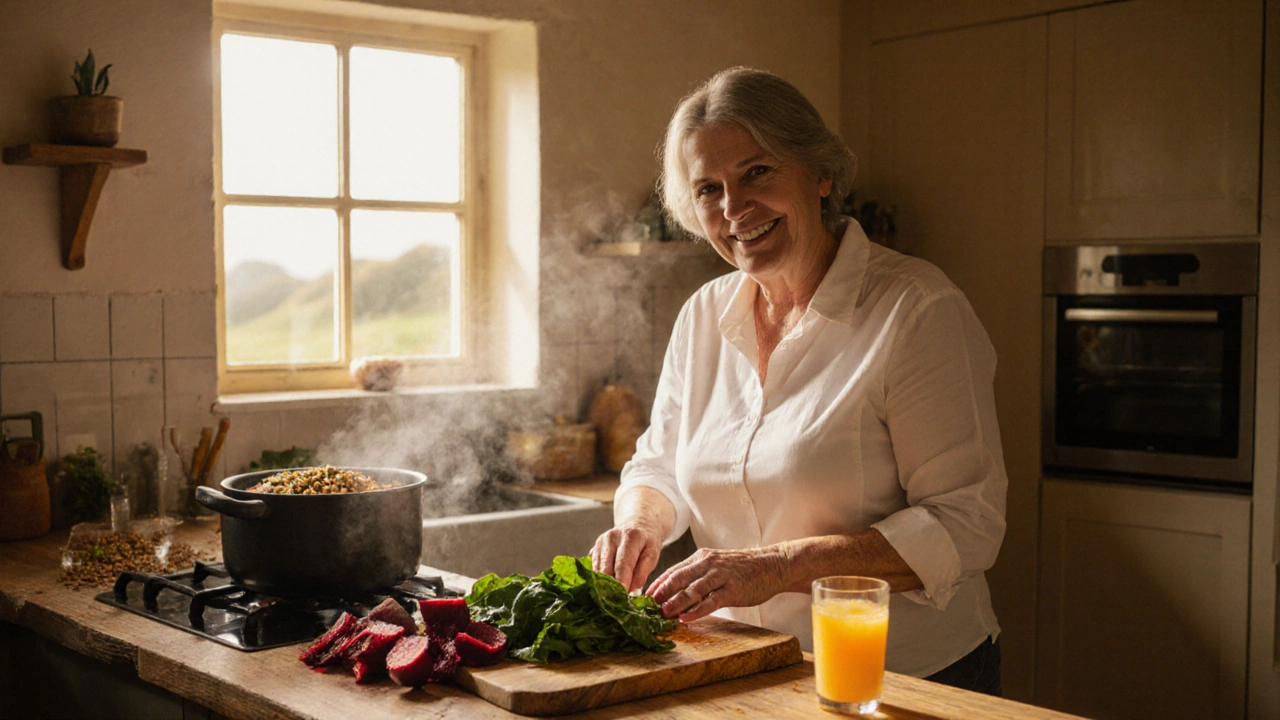
- Dark leafy greens – Spinach, kale, and Swiss chard are rich in iron, though the plant compounds can block some absorption.
- Fortified cereals – Many breakfast cereals are fortified with iron; check the label for the percentage of the daily value.
- Nuts and seeds – Pumpkin seeds, sesame seeds, and cashews are convenient snack options that add iron and healthy fats.
Mixing animal and plant sources gives you a balanced intake and keeps meals interesting.
Tips to Maximize Iron Absorption
Even the best iron foods can lose their power if you don’t consider the chemistry of your meal. Here are three proven tricks:
- Pair with vitamin C. Citrus juice, strawberries, bell peppers, or broccoli boost non‑heme iron absorption by up to four times. A squeeze of lemon on a spinach salad does wonders.
- Avoid iron blockers during meals. Coffee, tea, dairy, and high‑calcium foods can bind iron and keep it from entering the bloodstream. Save your latte for after the meal, not with it.
- Cook in cast‑iron cookware. Studies show that simmering acidic foods (like tomato sauce) in a cast‑iron pan can add an extra 5–10 mg of iron to the dish.
If you’re vegetarian or vegan, focus on beans, nuts, and fortified grains while consistently using vitamin C sources. That combo usually meets daily requirements without supplements.
When you suspect you’re still low on iron despite a strong diet, a simple blood test can confirm the issue. Your doctor may suggest a low‑dose iron supplement, but taking supplements without testing can cause constipation or excess iron buildup.
Bottom line: eat a variety of iron‑rich foods, boost non‑heme iron with vitamin C, and keep coffee or dairy away from your main dishes. With these habits, you’ll keep your energy up and your blood happy without relying on pills.
Why Iron is Crucial for Faster Wound Healing and Stopping Anemia
Learn how iron fuels blood oxygen, speeds wound repair, prevents anemia, and discover practical diet and supplement tips for optimal healing.