Warfarin: What You Need to Know About Blood Thinners, Risks, and Alternatives
When you take warfarin, a vitamin K antagonist used to prevent dangerous blood clots. Also known as Coumadin, it's one of the most prescribed anticoagulants in the world—but it’s not simple. It doesn’t just thin your blood; it dances with your diet, your other meds, and even your genetics. Get it wrong, and you risk bleeding or stroke. Get it right, and it can save your life.
Warfarin doesn’t work alone. Its effectiveness is measured by your INR, a lab test that tracks how long your blood takes to clot. Normal range? Usually between 2 and 3 for most people on warfarin. But if your INR drops below 2, clots can form. If it climbs above 4, you could bleed internally from a minor bump. That’s why regular blood tests aren’t optional—they’re the only way to know if your dose is still safe. And here’s the catch: even small changes in what you eat—like eating more spinach or suddenly cutting out greens—can throw your INR off track. Vitamin K fights warfarin, and it’s everywhere in leafy veggies. That’s why consistency matters more than perfection. Also, generic warfarin, the identical, cheaper version of brand-name Coumadin. Also known as warfarin sodium, it’s just as effective—but switching brands without telling your doctor can cause dangerous shifts in your INR. Even though the FDA says generics are bioequivalent, real-world experience shows some patients react differently to different fillers or manufacturing batches. That’s why you need to stick with the same pharmacy and same generic brand unless your doctor says otherwise.
Warfarin isn’t the only option anymore. Newer drugs like apixaban and rivaroxaban don’t need regular blood tests and have fewer food interactions. But they’re pricier, and not everyone qualifies. Some people still need warfarin because of mechanical heart valves, certain clotting disorders, or insurance restrictions. If you’re on warfarin, you’re not just taking a pill—you’re managing a system. You’re watching your diet, tracking your symptoms, knowing when to call your doctor if you notice unusual bruising, dark stools, or headaches that won’t go away. You’re also learning how to handle emergencies, like what to do if you fall or need surgery. And if you’re switching from warfarin to something else, you need to know the warning signs: fatigue, dizziness, or worsening symptoms could mean your new drug isn’t working as well as it should.
Below, you’ll find real-world advice from pharmacists, patients, and clinicians on how to stay safe with warfarin—whether you’re just starting out, switching to a generic, or dealing with side effects. No fluff. Just what works.
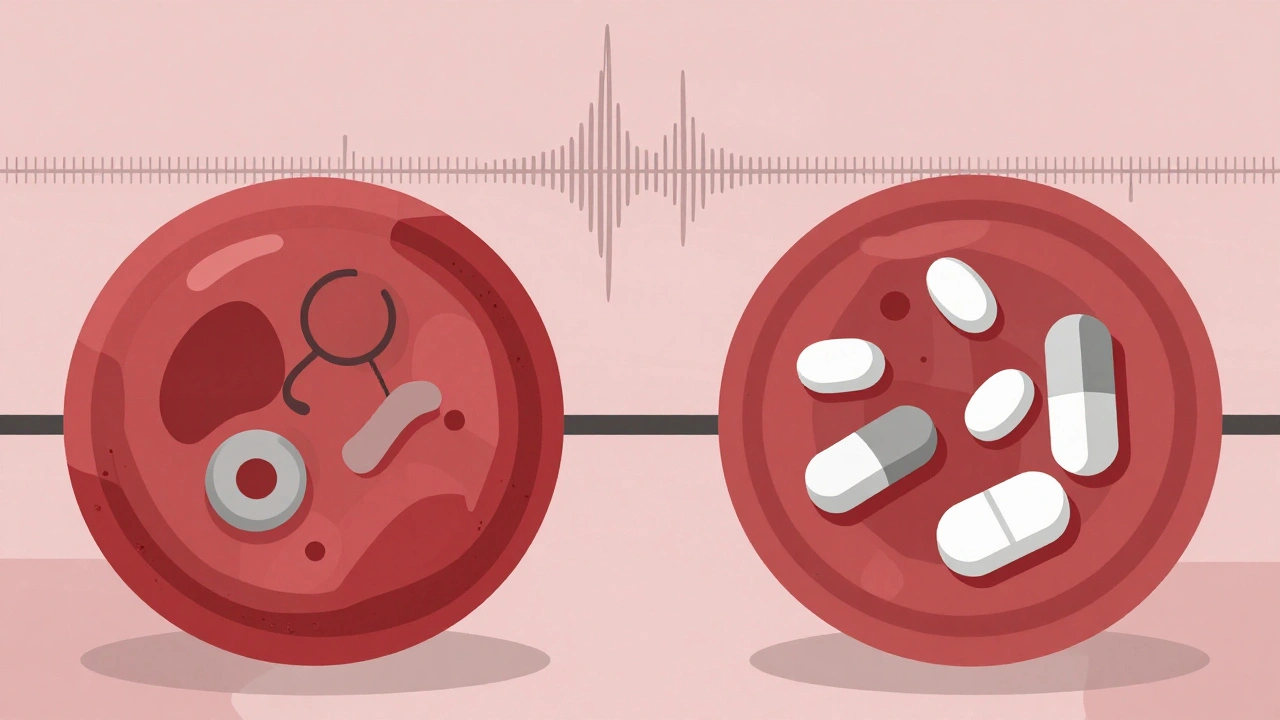
Anticoagulants and Bleeding Disorders: How to Prevent Hemorrhage Safely
Learn how to prevent dangerous bleeding while taking anticoagulants. Understand risks, drug differences, reversal agents, and practical steps to stay safe on blood thinners like warfarin and DOACs.