Vaccine Allergic Reactions: What You Need to Know Before and After Getting Shot
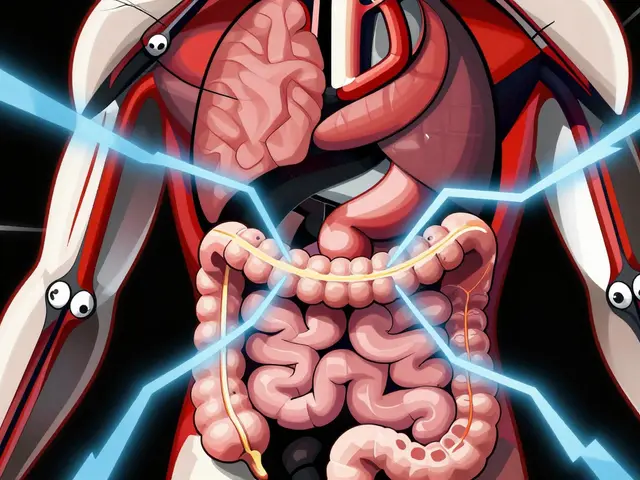
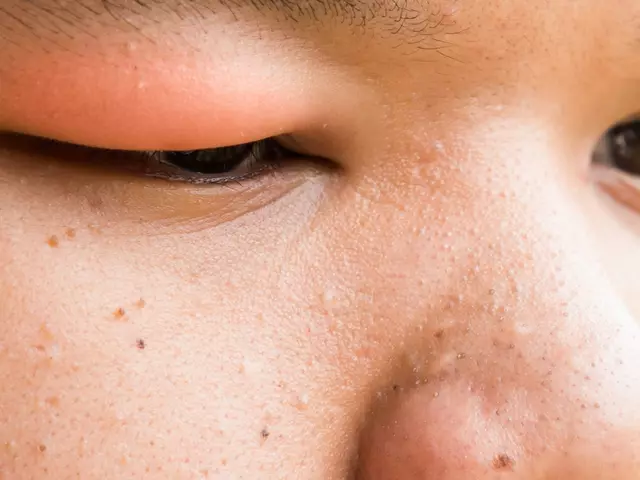
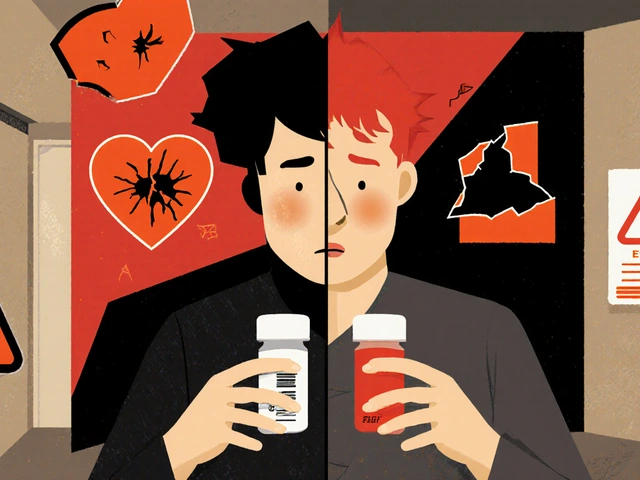
When you get a vaccine, your body learns to fight off a virus—but sometimes, it overreacts. A vaccine allergic reaction, an immune system response to a component in the vaccine that causes symptoms beyond normal side effects. Also known as hypersensitivity reaction, it’s rare but serious when it happens. Most people feel a sore arm or a low fever. That’s normal. But if you break out in hives, your throat swells, or you feel like you’re going to pass out, that’s a vaccine allergic reaction—and you need help right away.
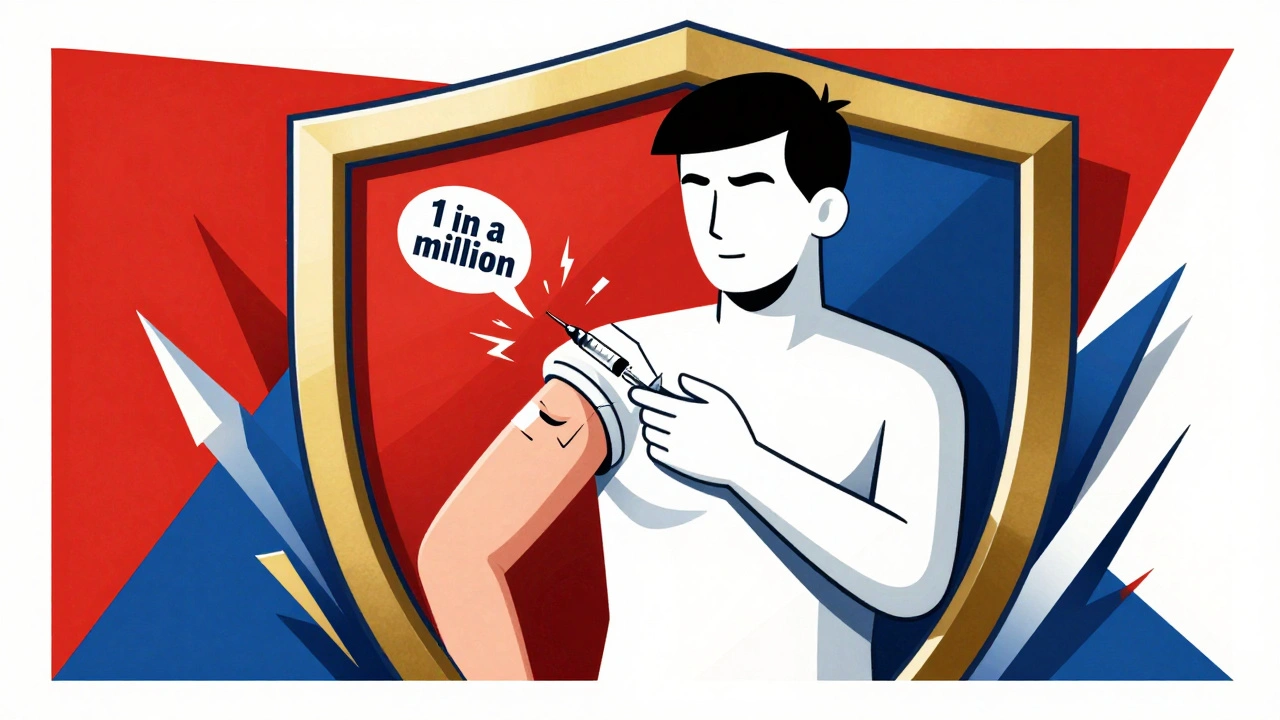
These reactions usually start within minutes of getting the shot. The most dangerous type is anaphylaxis, a sudden, life-threatening allergic response that affects breathing and blood pressure. It’s not common—about 1 in a million doses. But clinics are trained for it. That’s why you’re asked to wait 15 to 30 minutes after vaccination. If something goes wrong, they’ve got epinephrine ready. And yes, epinephrine works. Fast. It’s the difference between a scare and a tragedy.
What causes these reactions? It’s rarely the virus part of the vaccine. More often, it’s something else: gelatin, egg protein, polyethylene glycol (PEG), or even the preservatives. If you’ve had a reaction to a vaccine before, or to something like a jelly bean with gelatin, or a COVID shot with PEG, tell your provider. They can check your history and decide if you should get another dose—or how to give it safely.
Some people think if they’re allergic to penicillin, they can’t get vaccines. Not true. Most vaccines don’t contain penicillin. Others worry about shellfish allergies and mRNA shots. Again, no link. Allergies to food, pollen, or pets don’t raise your risk for vaccine reactions. Only past reactions to the same vaccine or its ingredients do.
If you’ve ever had a serious reaction to any shot, your next one should be given where medical help is nearby. You might get it in a clinic, not a pharmacy. You’ll be watched longer. You might even get a different brand. The goal isn’t to avoid vaccines—it’s to give them safely. Most people who had a reaction once can still get future doses with the right precautions.
And here’s the thing: the risk of a bad reaction is tiny compared to the risk of getting the disease. Measles, polio, flu—they don’t care if you’re scared of needles. They’ll still make you sick. Vaccines saved millions of lives. The few who react? They’re the reason we have safety nets.
Below, you’ll find real stories, clear facts, and expert advice on what to watch for, what to ask, and what to do if something goes wrong. No guesses. No myths. Just what you need to stay safe and informed.
Vaccine Allergic Reactions: What You Need to Know About Rare Risks and How Safety Systems Work
Vaccine allergic reactions are extremely rare, occurring in about 1.3 cases per million doses. Learn what triggers them, how safety systems like VAERS catch issues early, and why most people - even those with egg or yeast allergies - can still get vaccinated safely.