Vaccine Safety Monitoring: How We Track Shots and Keep People Safe
When you get a vaccine, you’re not just protecting yourself—you’re part of a global system called vaccine safety monitoring, the ongoing process of tracking health effects after vaccines are given to the public. Also known as pharmacovigilance, it’s how we find rare side effects that didn’t show up in clinical trials, because those trials only include a few thousand people. Once millions get a shot, patterns emerge—some expected, some surprising. This isn’t guesswork. It’s built on real data collected from doctors, hospitals, patients, and automated systems that scan millions of medical records every day.
The system doesn’t wait for problems to pile up. It’s always listening. In the U.S., the CDC and FDA run Vaccine Adverse Event Reporting System, a free, public tool where anyone—patients, parents, or providers—can report unusual symptoms after vaccination. That’s how we found the rare blood clots linked to certain COVID-19 vaccines. In Europe, the EMA uses similar tools. These reports don’t prove a vaccine caused the problem, but they flag things that need deeper study. If a pattern shows up across thousands of reports, scientists dig into the data—checking age, dosage, timing, and medical history—to see if it’s real or just coincidence.
What you might not know is that this system runs 24/7, even for vaccines given decades ago. Think about the flu shot. It’s updated every year, but safety monitoring never stops. We track everything from fever and sore arms to nerve inflammation or fainting spells. Most reactions are mild and go away fast. But the system is built for the rare ones—the one in a million cases that could be serious. That’s why we keep watching, even when things seem fine. It’s not about fear. It’s about trust. If a vaccine is safe, the data proves it. If something’s wrong, we find it before it spreads.
And it’s not just about drugs. The way vaccines are stored, shipped, and handled matters too. Temperature changes can weaken them. That’s why cold chain monitoring is part of safety too. A vaccine that loses potency doesn’t just fail to protect—it can make people think the shot doesn’t work, which hurts public trust. So safety monitoring includes logistics, not just biology.
What you’ll find in the posts below are real stories and facts about how this system works—how side effects are caught, why some warnings get ignored, how data moves from clinics to regulators, and what happens when a vaccine gets pulled or restricted. You’ll see how experts separate noise from real risks, how parents can report concerns, and why even a single unusual case can trigger a nationwide review. This isn’t theory. It’s the quiet, daily work that keeps millions safe after they get their shots.
Vaccine Allergic Reactions: What You Need to Know About Rare Risks and How Safety Systems Work
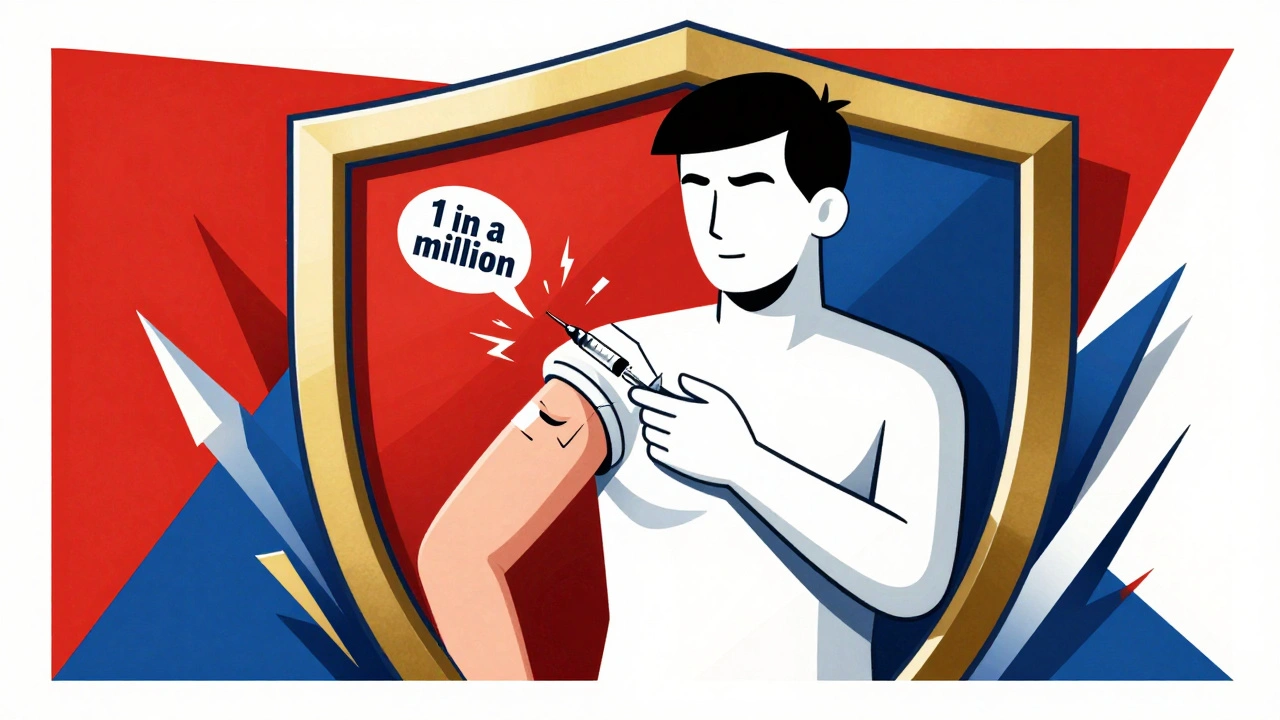
Vaccine allergic reactions are extremely rare, occurring in about 1.3 cases per million doses. Learn what triggers them, how safety systems like VAERS catch issues early, and why most people - even those with egg or yeast allergies - can still get vaccinated safely.