Beers Criteria: What It Is and Why It Matters for Older Adults
When you’re over 65, your body processes medicine differently. That’s why the Beers Criteria, a regularly updated list of medications that may be unsafe for older adults. Also known as Beers List, it’s used by doctors, pharmacists, and caregivers to reduce harmful drug use in seniors. It’s not about banning drugs—it’s about swapping risky ones for safer options. Think of it like a cheat sheet for avoiding side effects that can lead to falls, confusion, kidney damage, or even hospital stays.
The Beers Criteria focuses on drugs that are too strong, too long-lasting, or too likely to interact with other meds. For example, benzodiazepines like diazepam can cause dizziness and memory problems in older people, even at low doses. Anticholinergics—found in some sleep aids, allergy pills, and bladder meds—can blur vision, dry out the mouth, and make dementia worse. And nonsteroidal anti-inflammatories (NSAIDs) like ibuprofen? They’re common, but they raise the risk of stomach bleeds and kidney failure in seniors. These aren’t hypothetical risks. Studies show that nearly one in three older adults takes at least one drug on the Beers list, often without knowing the danger.
The polypharmacy problem makes this even trickier. When someone takes five or more meds, the chance of bad interactions climbs fast. The geriatric pharmacology behind the Beers Criteria isn’t just theory—it’s based on real-world data from hospitals and clinics. It’s updated every few years by experts who track which drugs cause the most harm in older patients. The goal? Cut unnecessary pills, reduce side effects, and keep seniors independent longer.
You’ll find posts here that dig into how pharmacists spot risky prescriptions, why some seniors end up on dangerous meds by accident, and how to talk to your doctor about switching to safer options. Some articles cover how to read a medication list, what questions to ask when a new drug is added, and how to avoid the trap of "it’s always worked before." Others explain why stopping a drug isn’t always easy—and what to watch for when you do. This isn’t about fear. It’s about control. With the right info, you or your loved one can avoid the hidden dangers of common prescriptions and stay healthier, safer, and more alert.
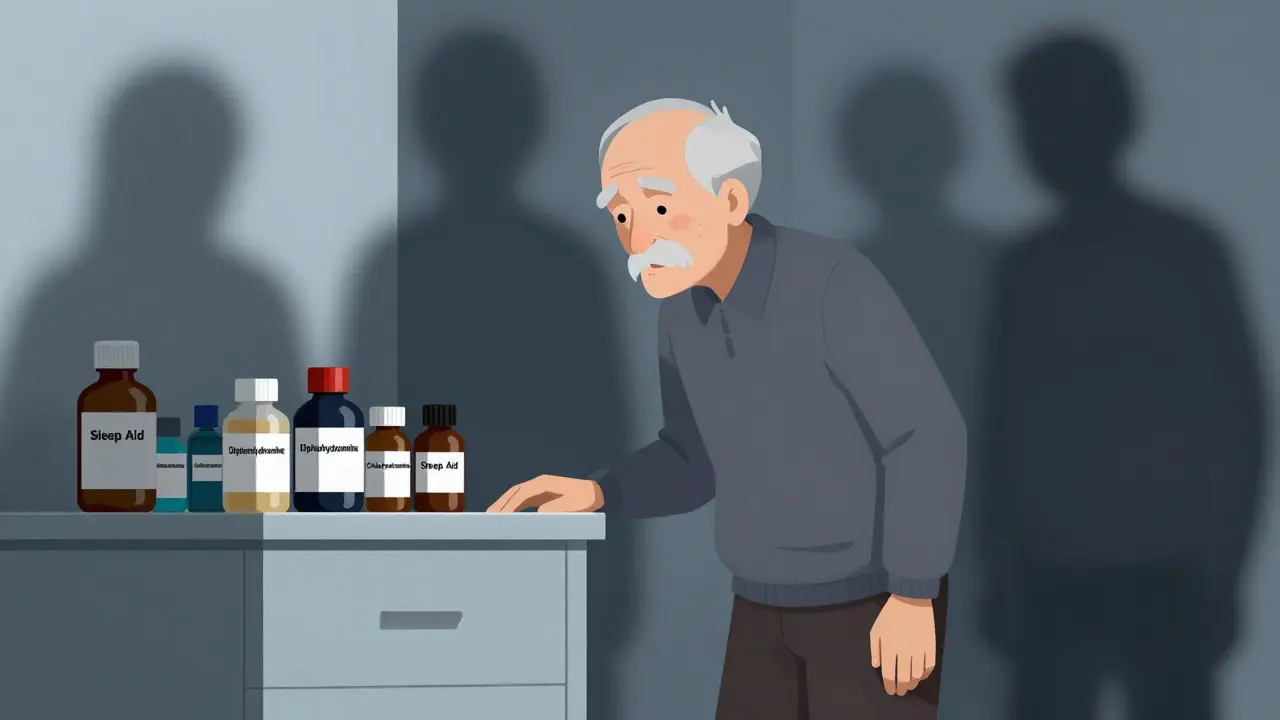
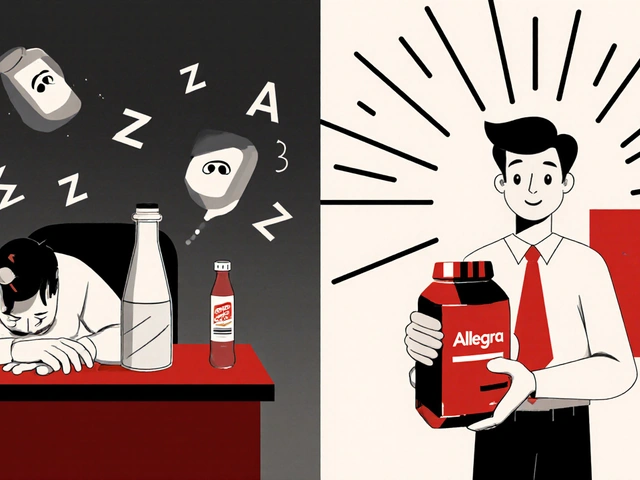
Fall Risk in Older Adults on Sedating Antihistamines: Prevention Strategies
Sedating antihistamines like diphenhydramine significantly increase fall risk in older adults due to drowsiness and impaired balance. Safer alternatives and non-drug strategies can prevent dangerous falls without compromising allergy relief.

Medication Dosage Adjustments for Aging Bodies and Organs: What Seniors and Caregivers Need to Know
Aging changes how your body handles medications. Learn why seniors need lower doses, which drugs are risky, and how to prevent dangerous side effects with proven strategies from geriatric experts.