Understanding Common Medical Conditions and How to Manage Them
Dealing with medical conditions can feel overwhelming, but knowing the facts helps you take control. Whether it’s joint pain from aging, unexpected thyroid issues, or bothersome hemorrhoids, getting clear advice makes a difference.
Keep Moving Without Hurting Your Joints
Staying active is key to keeping your joints strong, but it’s not about pushing too hard. For seniors, some exercises support joint health by strengthening muscles around the joints without causing more wear and tear. Think gentle swimming or walking instead of high-impact running. Simple habits, like stretching and avoiding long periods of inactivity, can also ease discomfort. Small changes—like using supportive shoes or adjusting how you sit—can protect your knees, hips, and hands. It’s about smart movement, not just any movement.
Spotlight on Graves’ Disease and Thrombosed Hemorrhoids
Graves’ disease happens when your immune system mistakenly attacks your thyroid. This can make you feel shaky, anxious, or lose weight without trying. Knowing what symptoms look like helps you catch it early and manage it with your doctor. Treatment options vary but usually include medication to calm the thyroid down.
On the other hand, a thrombosed hemorrhoid is a painful swollen vein around your anus that often goes away on its own in days or weeks. Staying active and keeping things clean speeds healing, and ointments or creams can reduce the pain. If it lingers or gets worse, checking with a healthcare provider is a smart move.
Understanding these conditions and simple ways to manage them puts you in charge of your health. No jargon, no confusion—just practical info you can use every day.

Dry Eye Syndrome: Understanding Tear Deficiency and How Artificial Tears Help
Dry eye syndrome affects millions with symptoms like grittiness and excessive tearing. Learn how tear deficiency works, why artificial tears help - and when they don't - and what to do next if over-the-counter drops aren't enough.
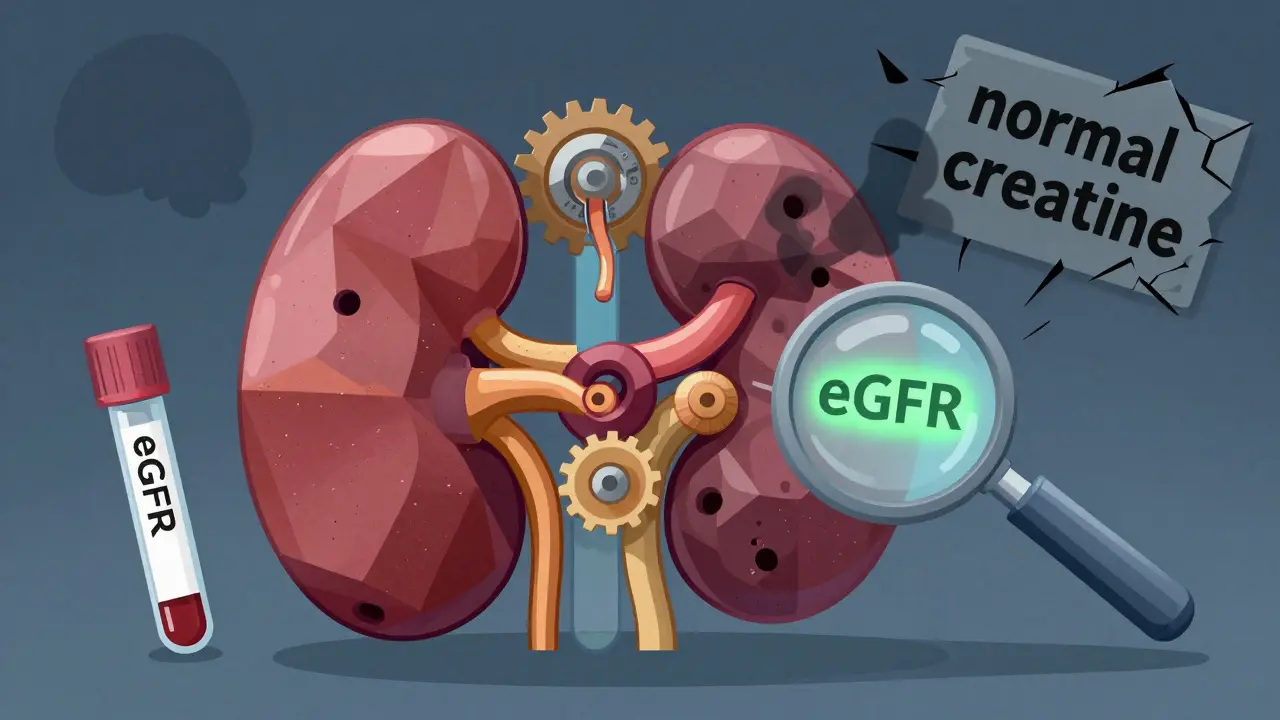
Chronic Kidney Disease: How Early Detection Stops Progression
Chronic kidney disease often has no symptoms until it's advanced. Early detection with eGFR and uACR tests can stop progression, prevent kidney failure, and save lives. Here's how to catch it before it's too late.
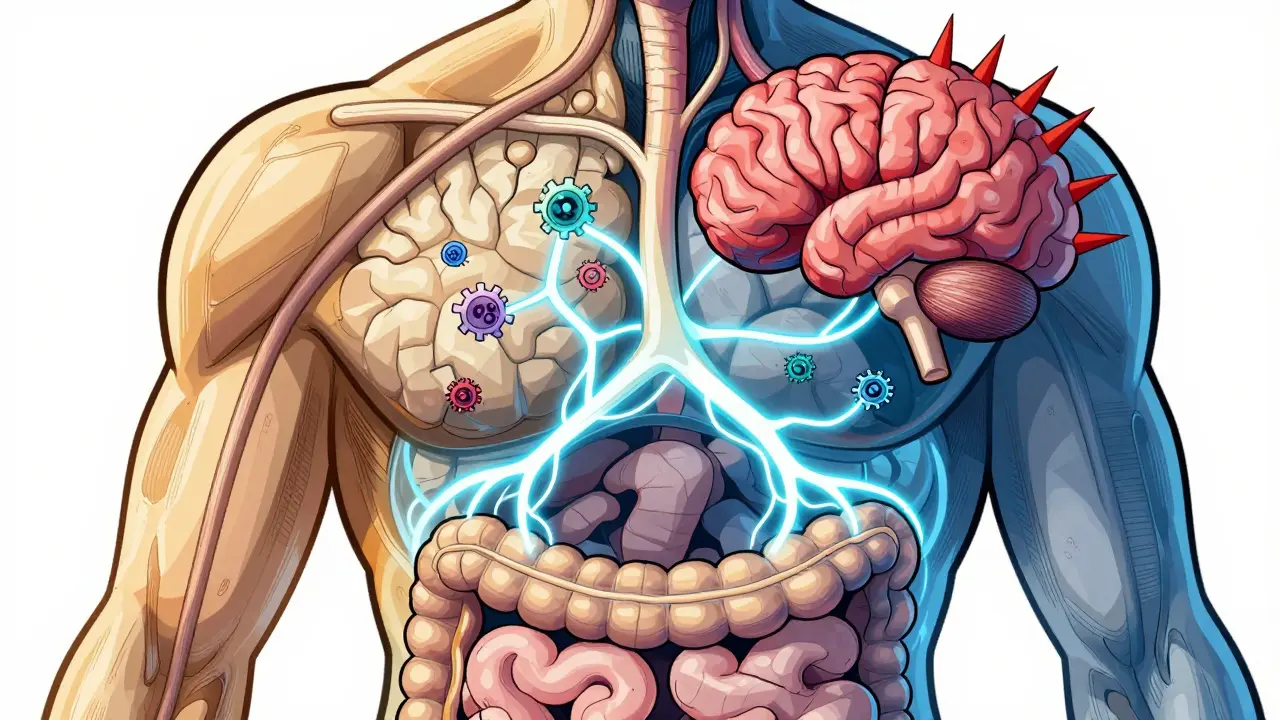
Irritable Bowel Syndrome: Understanding the Gut-Brain Axis for Real Symptom Relief
IBS isn't just a digestive issue-it's a breakdown in gut-brain communication. Learn how the gut-brain axis drives symptoms and what actually works for relief, from diet to hypnotherapy to emerging science.
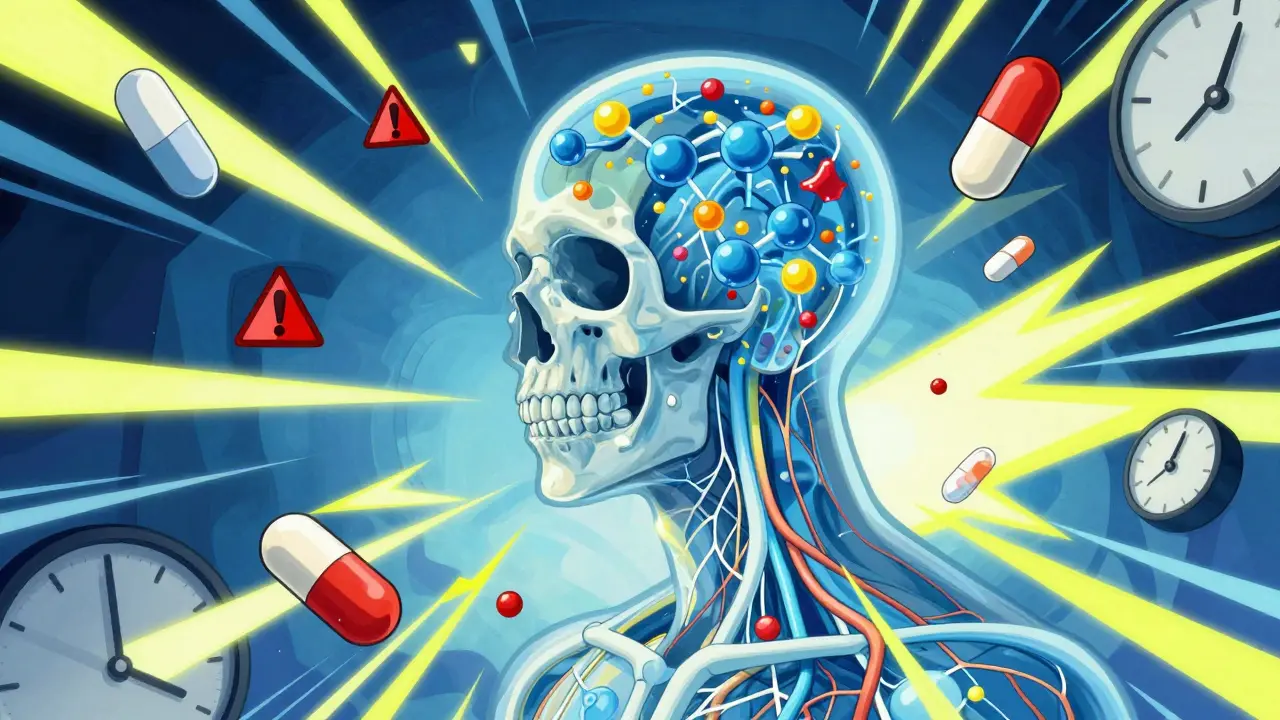
Antidepressant Overdose: Recognizing Serotonin Syndrome Warning Signs Before It's Too Late
Serotonin syndrome is a dangerous reaction to too much serotonin, often caused by antidepressant overdose or drug interactions. Know the warning signs - tremors, sweating, confusion, clonus - and act fast. It can be fatal if ignored.
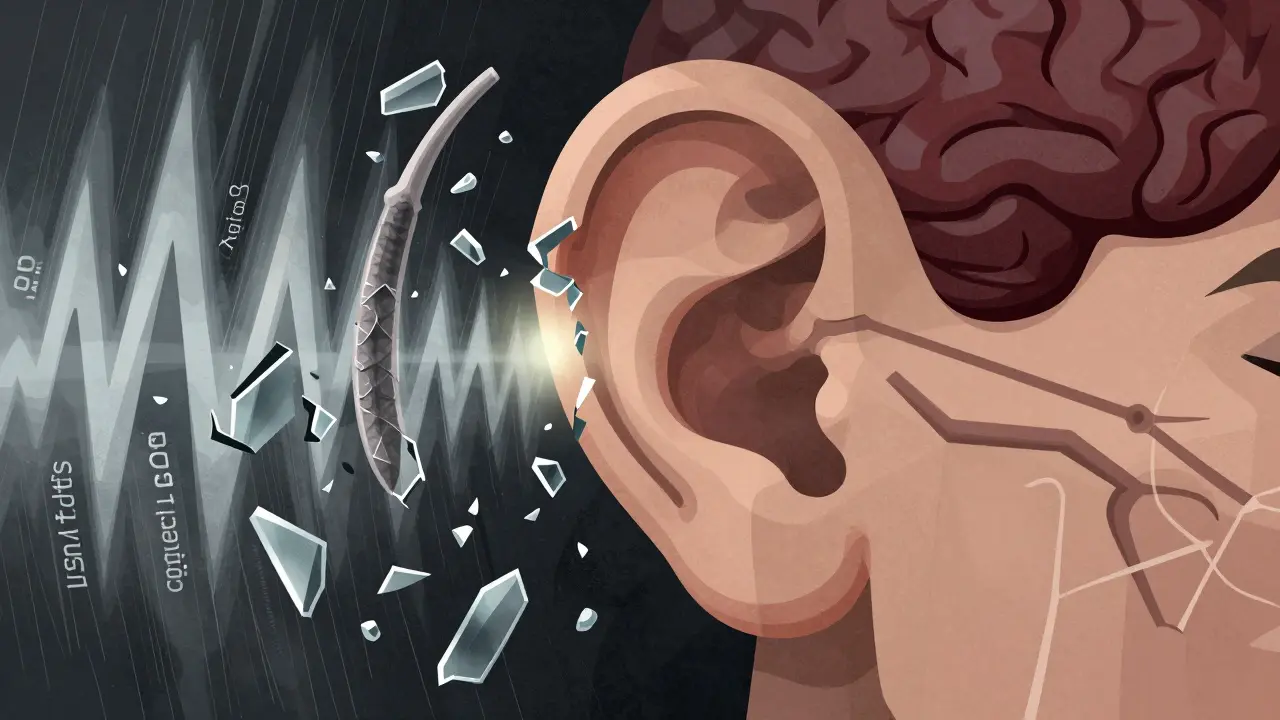
Sensorineural Hearing Loss: What Causes Inner Ear Damage and Permanent Deafness
Sensorineural hearing loss is permanent inner ear damage that affects how sound reaches your brain. Caused by noise, aging, or genetics, it's the most common type of hearing loss. Hearing aids and cochlear implants can help, but early diagnosis is key.
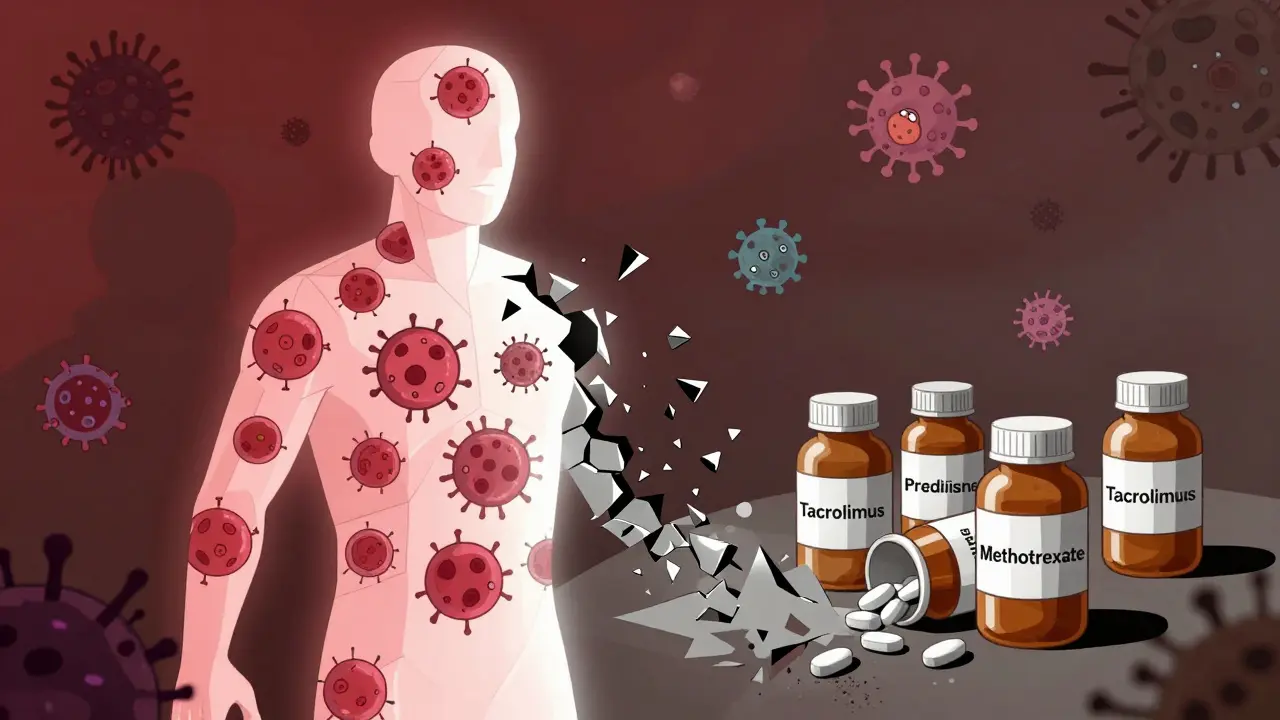
Immunocompromised Patients and Medication Reactions: What You Need to Know
Immunocompromised patients face higher risks of severe infections and atypical symptoms from medications like steroids, biologics, and DMARDs. Learn how to recognize warning signs, reduce infection risks, and manage treatment safely.
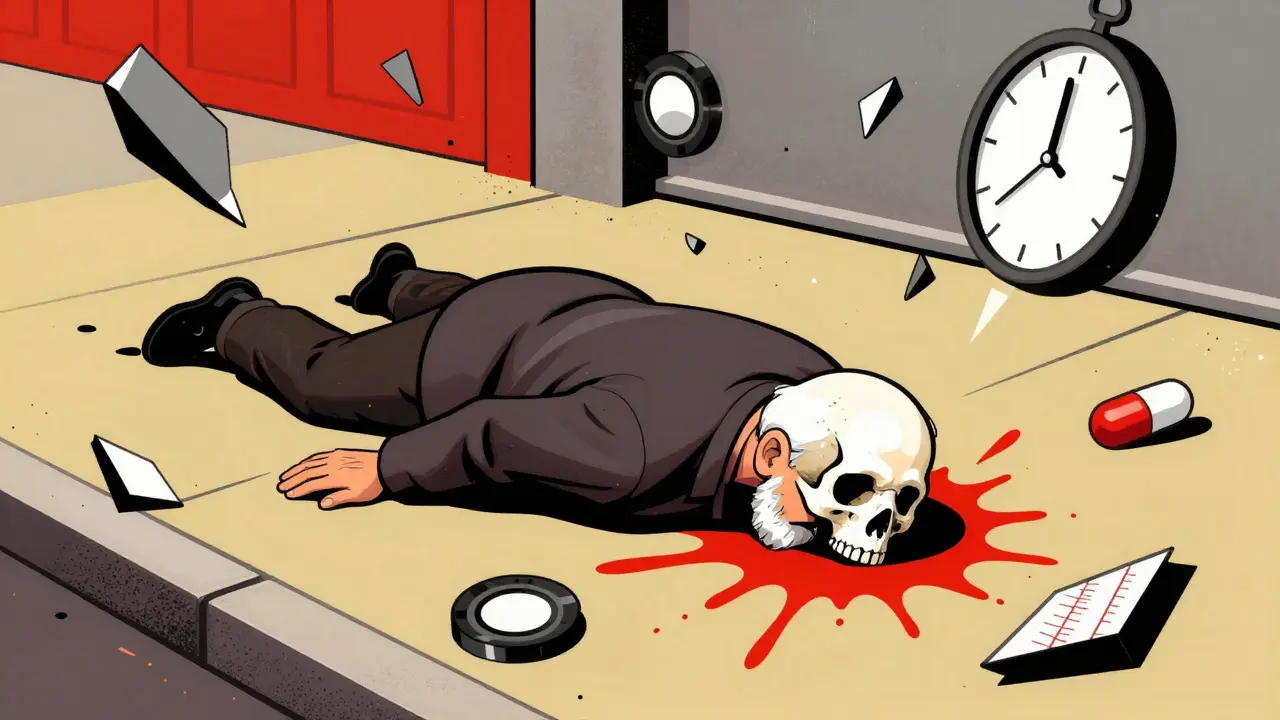
Head Injury While on Blood Thinners: When to Get Imaging
If you're on blood thinners and hit your head, even a minor injury can lead to dangerous brain bleeding. Learn when to get a CT scan, what to watch for after a normal result, and why waiting can be life-threatening.
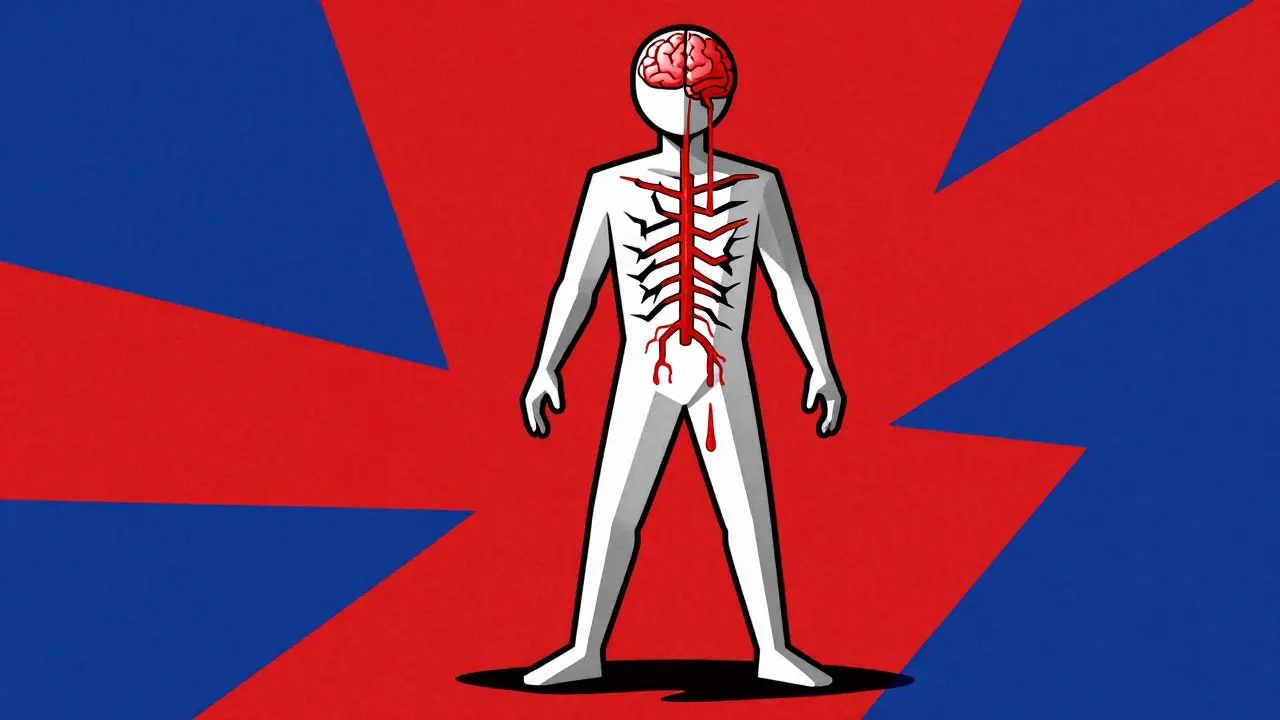
Autonomic Neuropathy: Understanding Blood Pressure Drops and GI Symptoms
Autonomic neuropathy causes dangerous drops in blood pressure and severe digestive problems like gastroparesis. Learn how it develops, how it’s diagnosed, and what treatments actually work for blood pressure instability and GI symptoms.
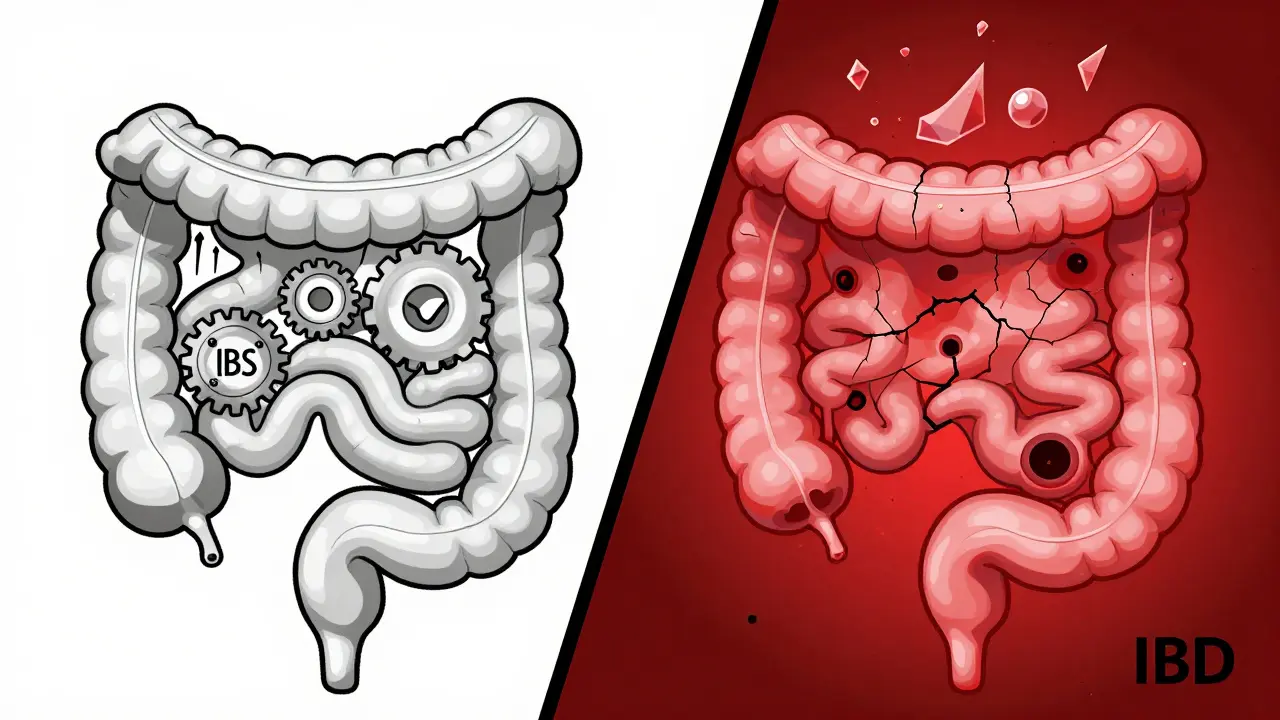
IBS vs. IBD: What’s the Real Difference Between Functional and Inflammatory Bowel Disorders?
IBS and IBD share similar symptoms like cramps and diarrhea, but one is a harmless functional disorder and the other is a dangerous autoimmune disease. Learn the key differences in causes, symptoms, tests, and treatments.
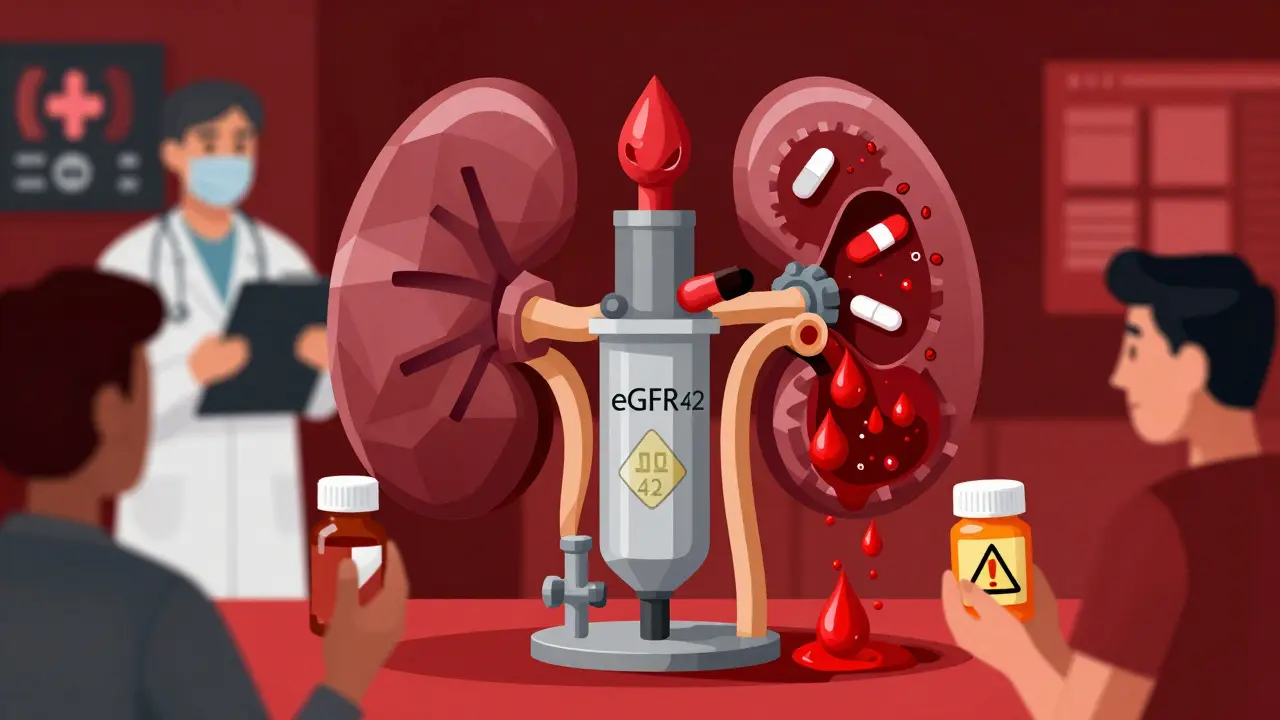
Kidney Disease and Medication Accumulation: How Toxic Buildup Happens and How to Prevent It
Kidney disease can cause dangerous medication buildup, leading to toxicity, hospitalization, or death. Learn which drugs are risky, how to spot the signs, and what steps to take to protect your kidneys.